
Drinks
Corkage 750ml.
Soda & Water
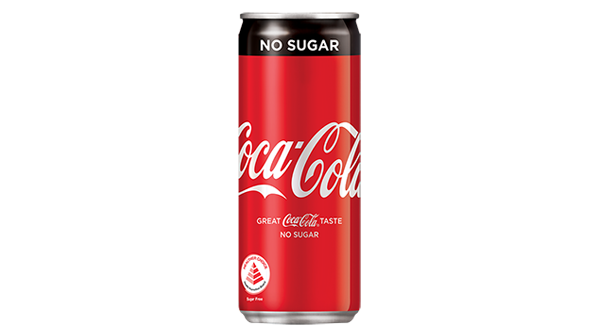
Coca Cola Zero
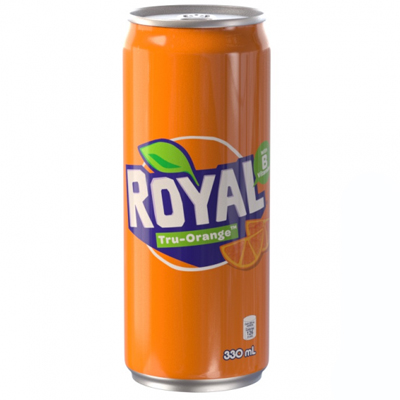
Royal
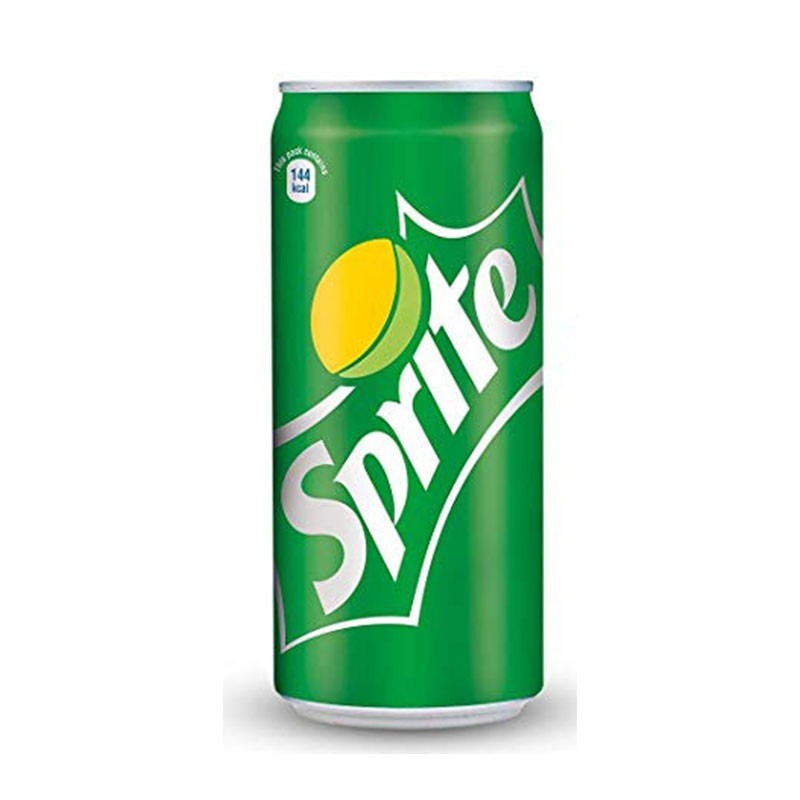
Sprite
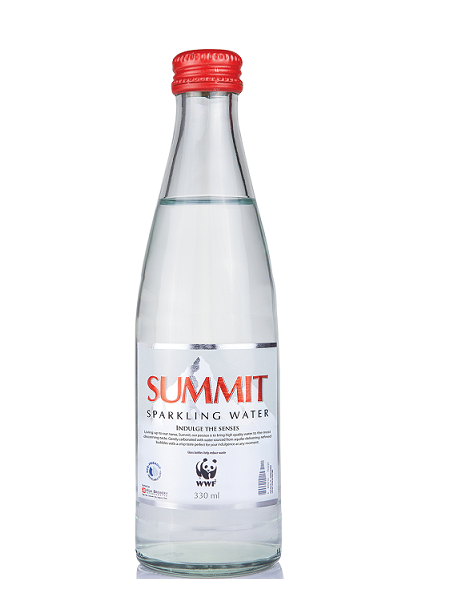
Summit Sparkling 330ml
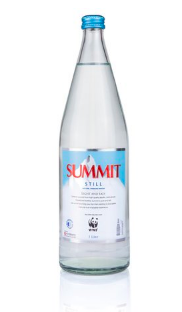
Summit Still 1L
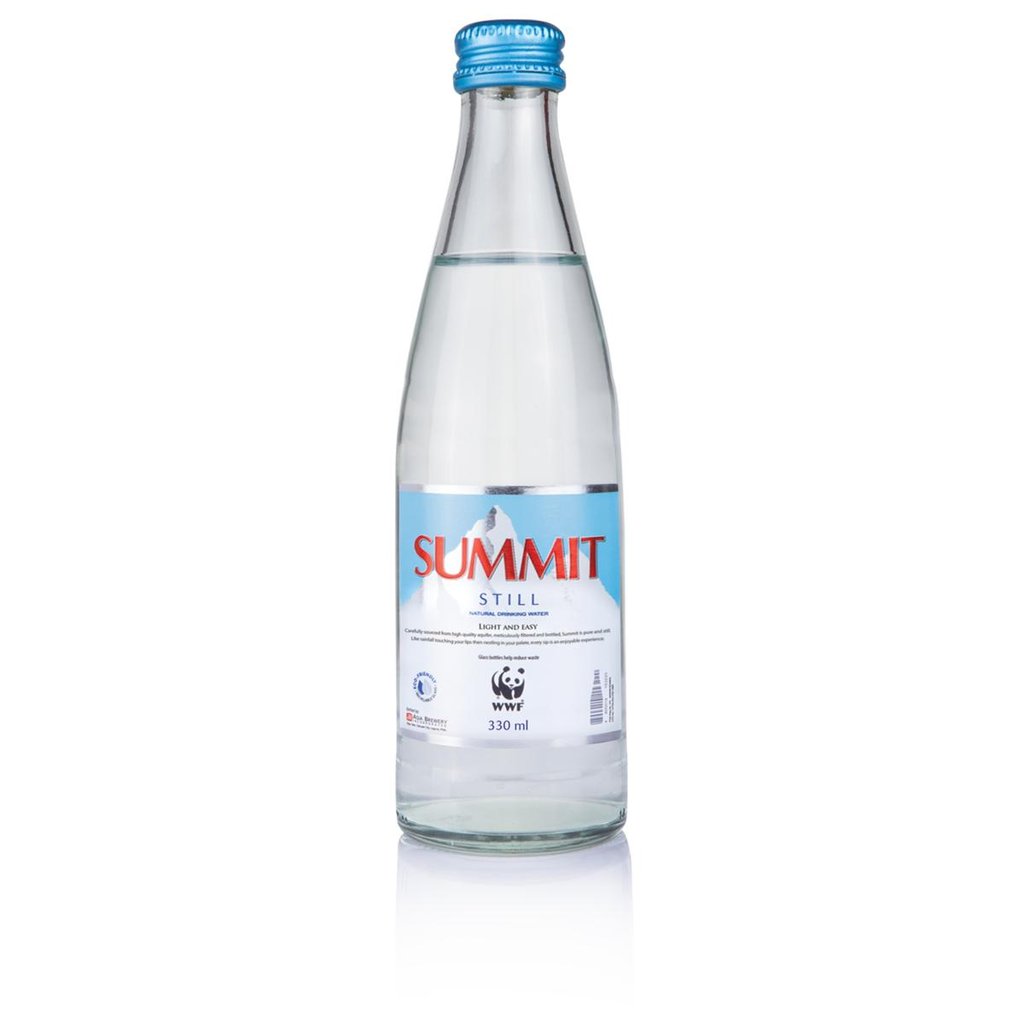
Summit Still 330ml
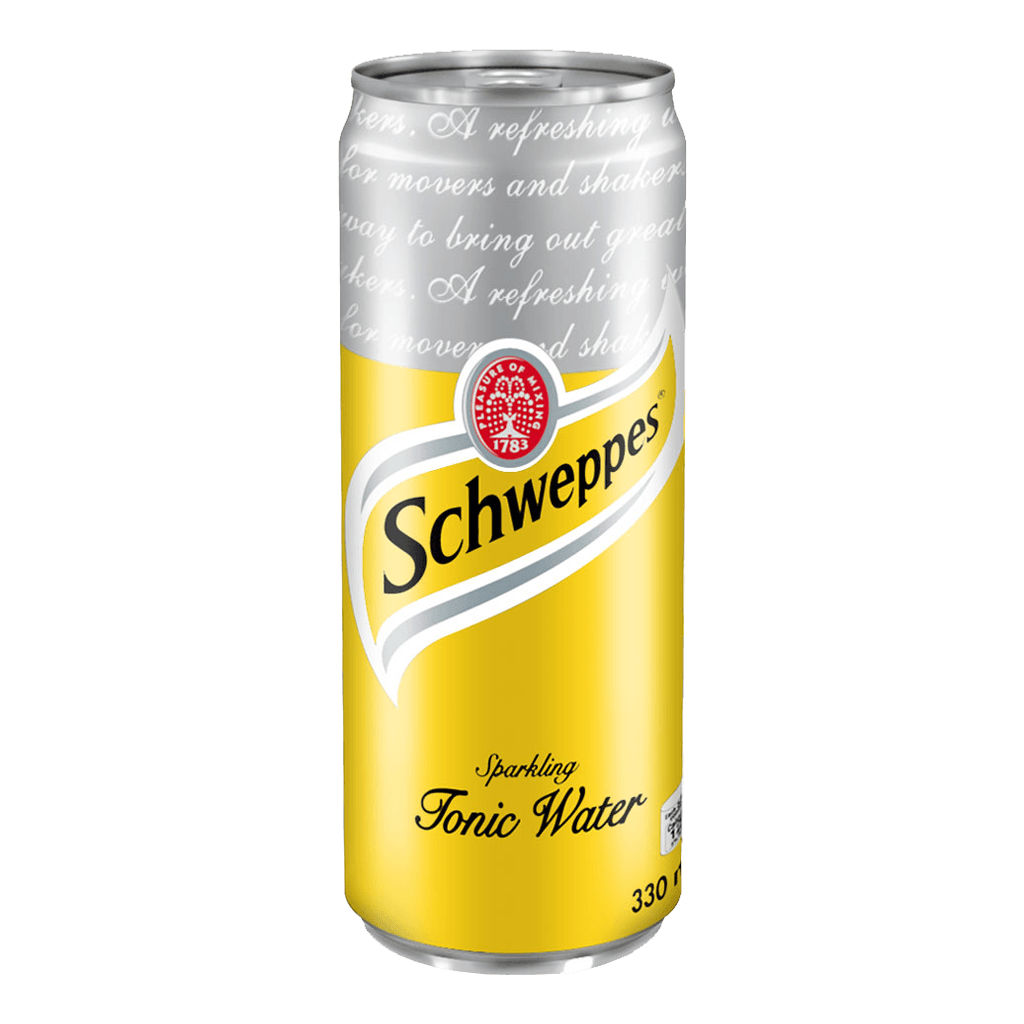
Schwepps Tonic Water
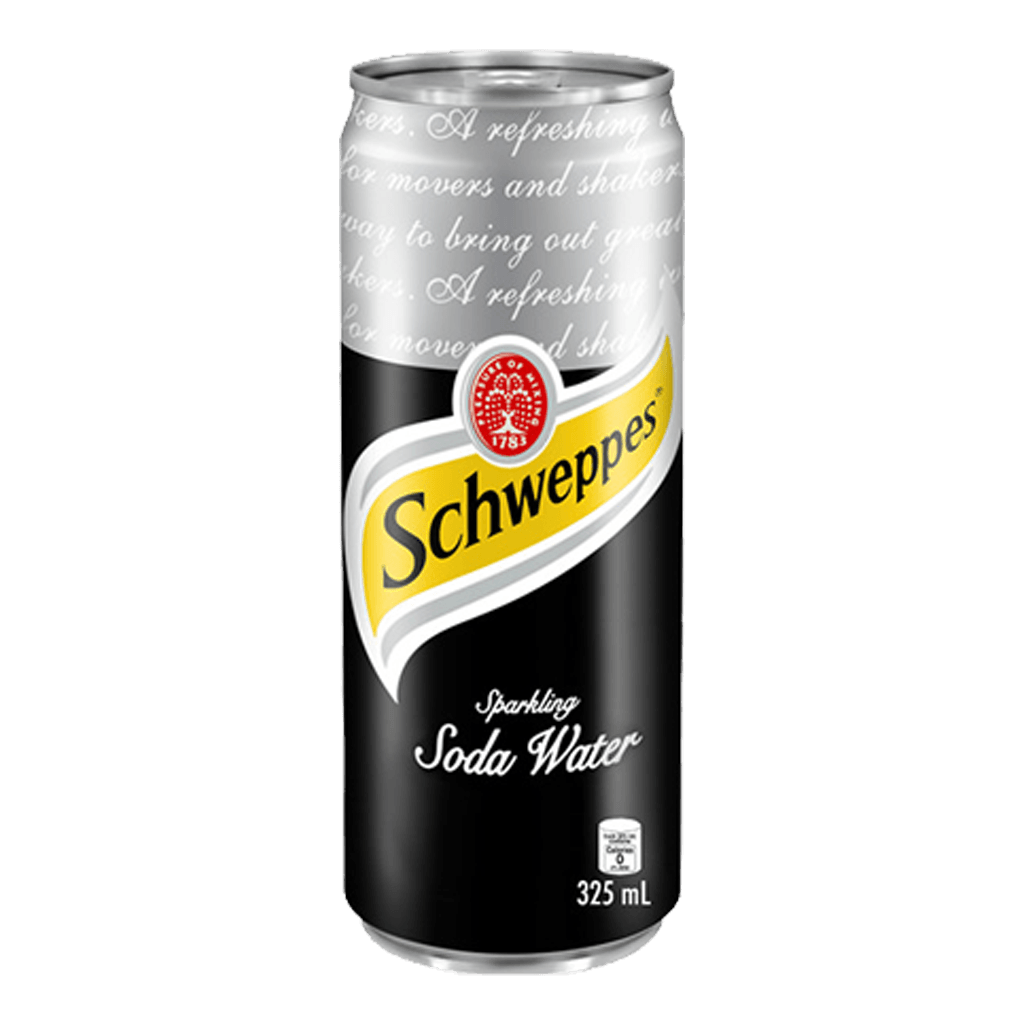
Schwhepps Soda Water
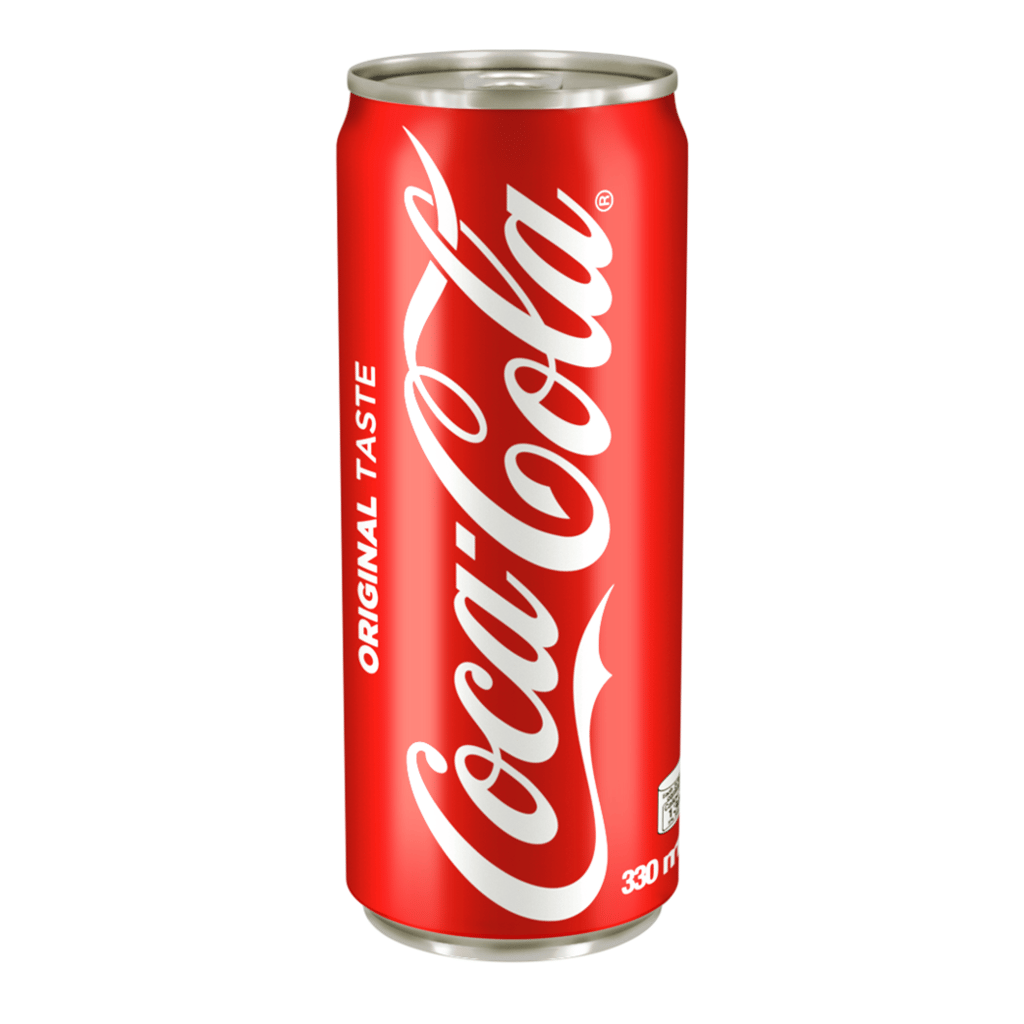
Coca Cola
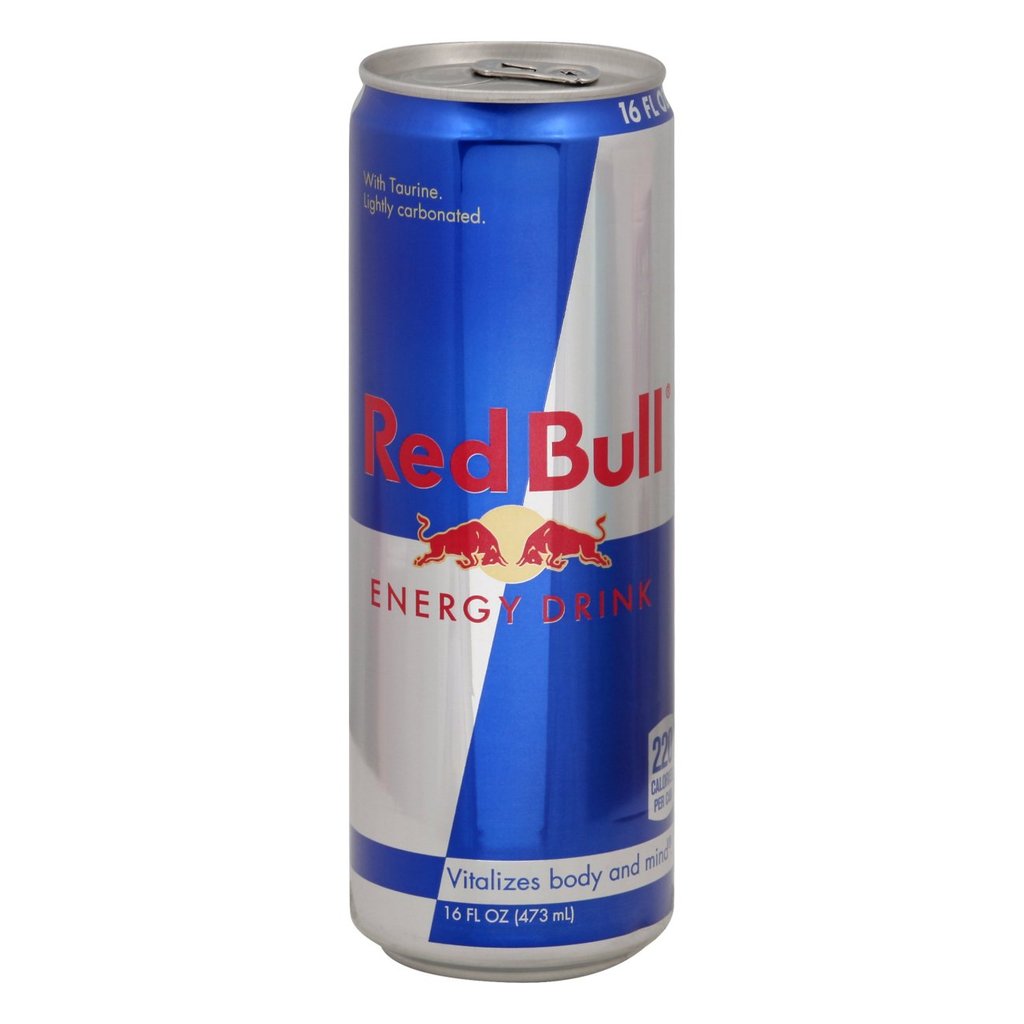
Red Bull
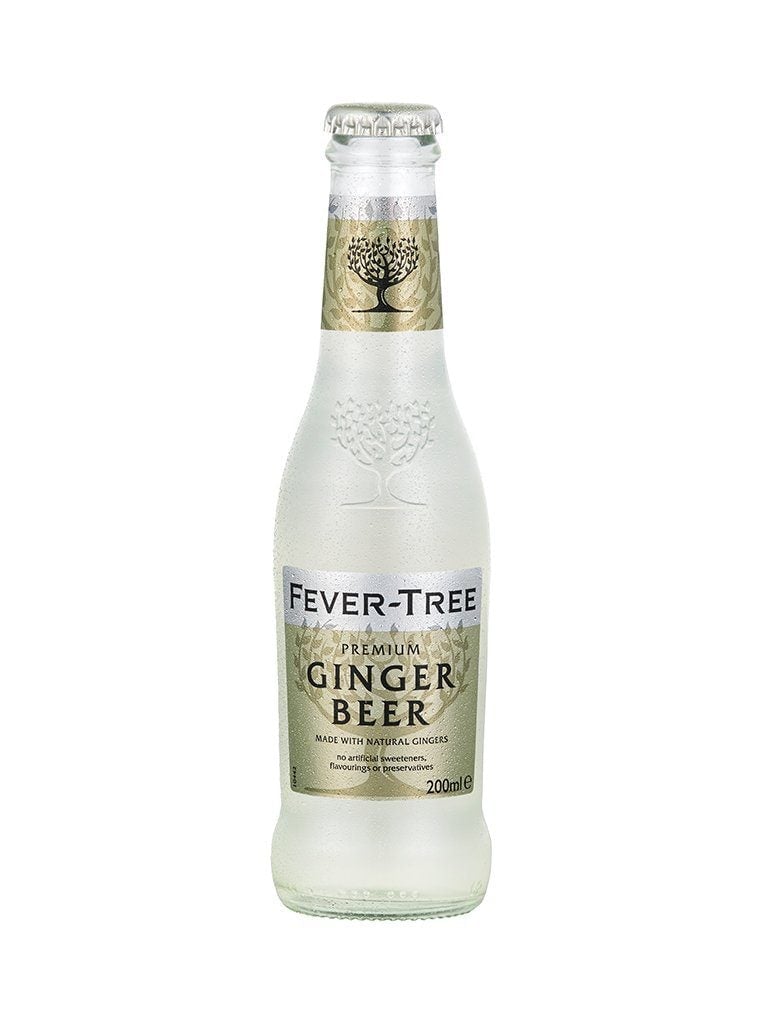
Fever-tree Ginger beer
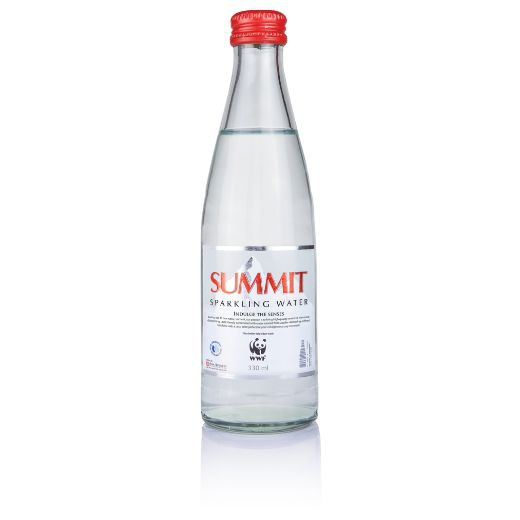
Summit Sparkling 1L
Coffee & Tea
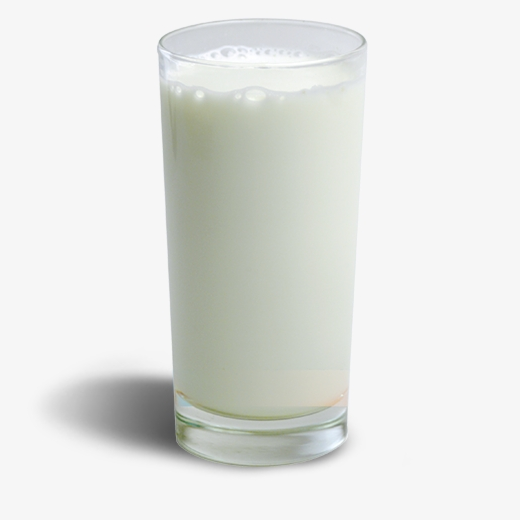
Fresh Milk
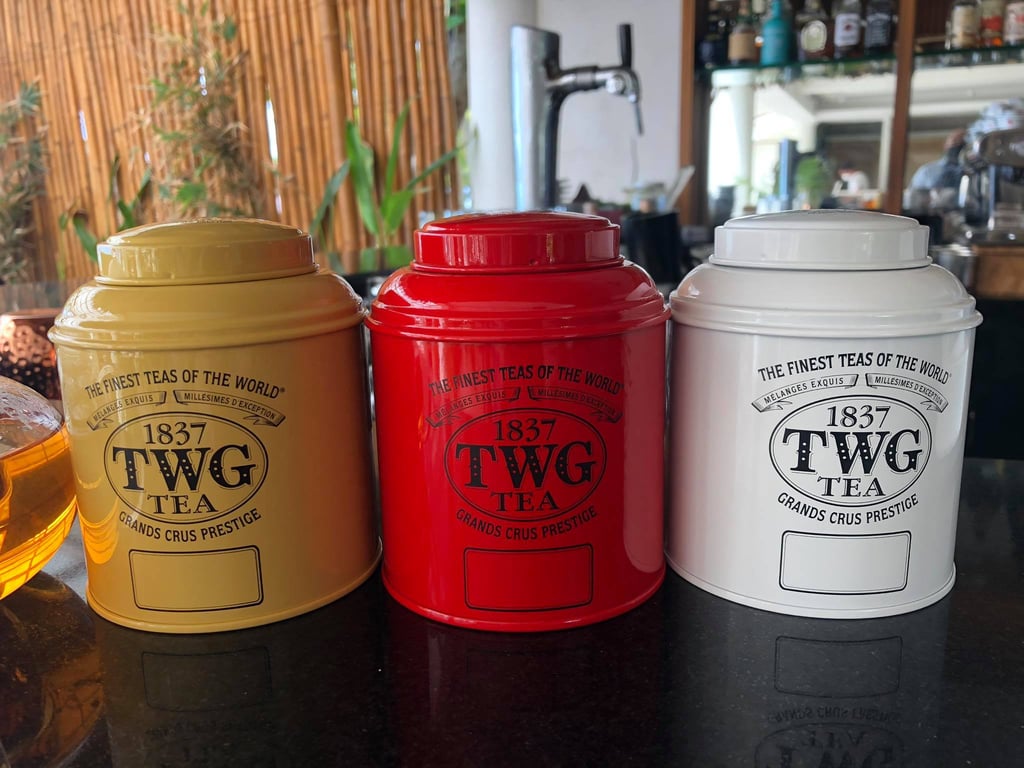
Eternal Summer Tea
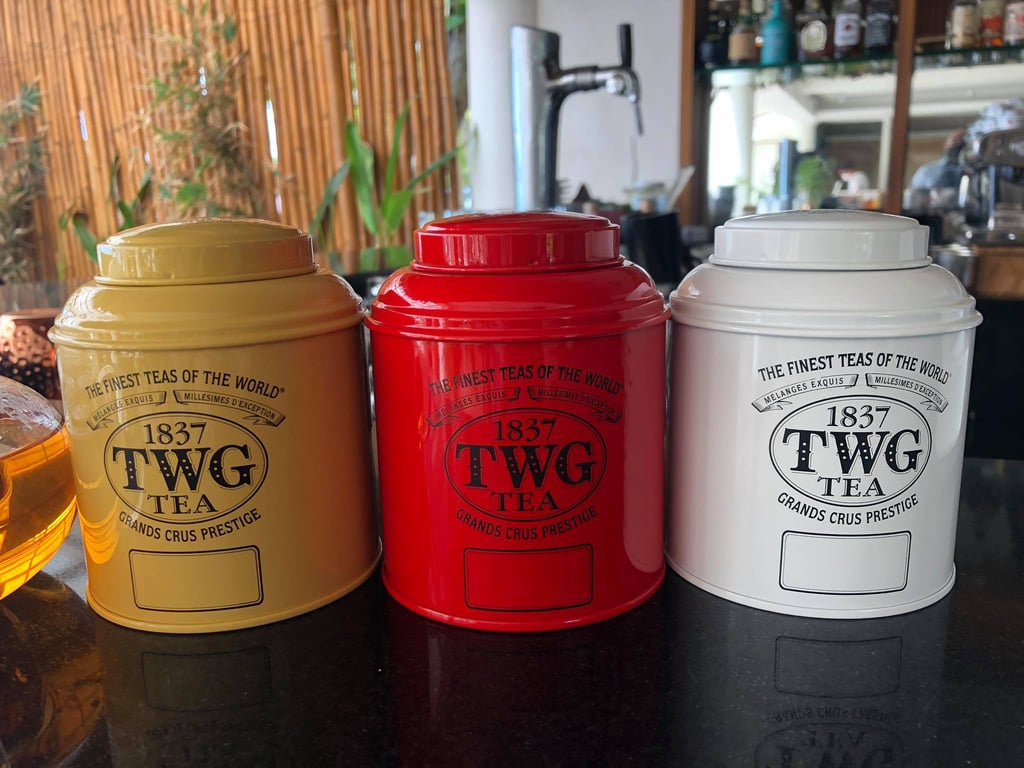
Darjeeling Tea
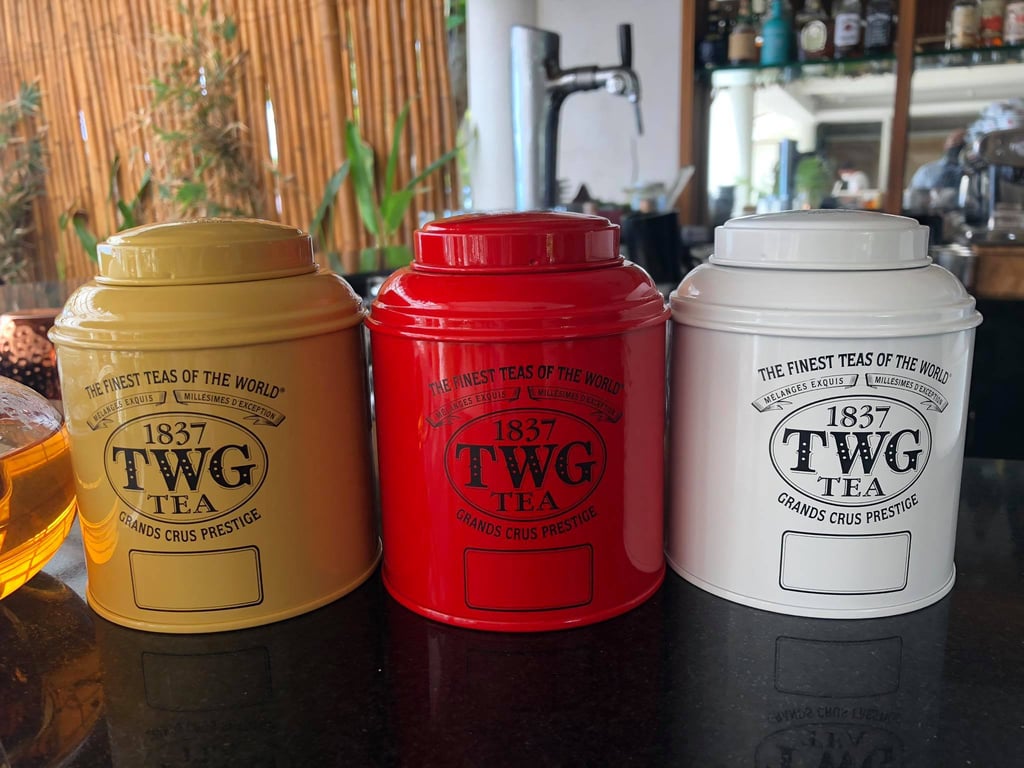
Sencha Tea
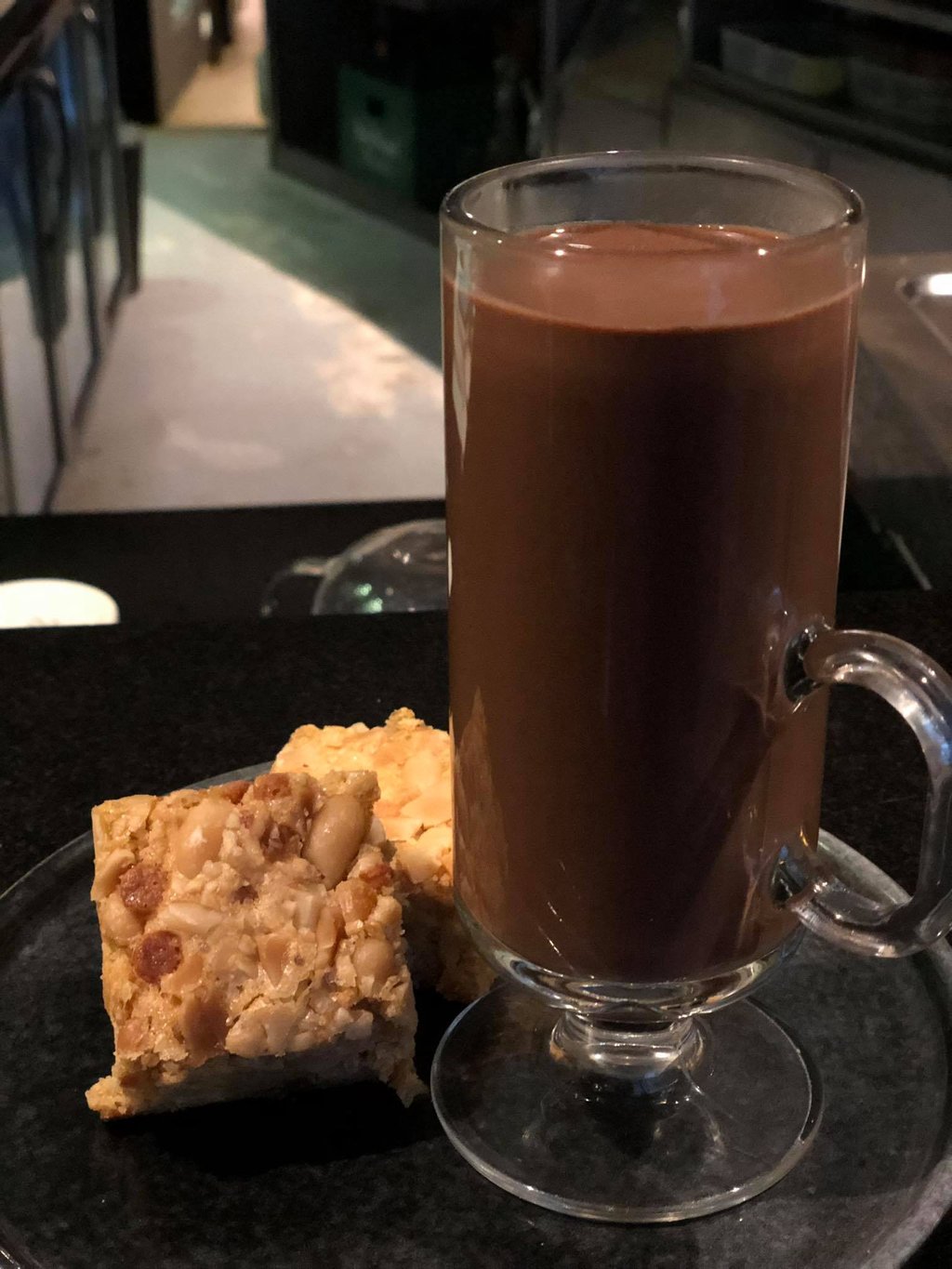
Hot or Cold Chocolate
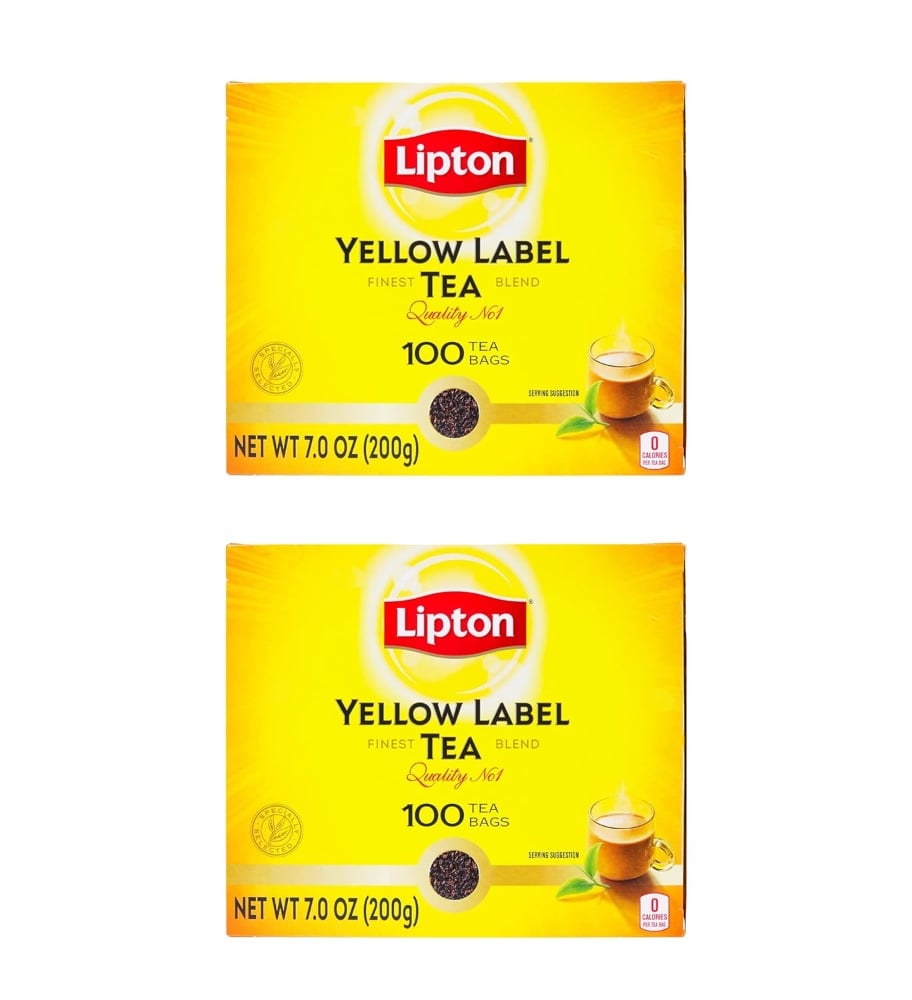
Lipton Black Tea

Cappuccino
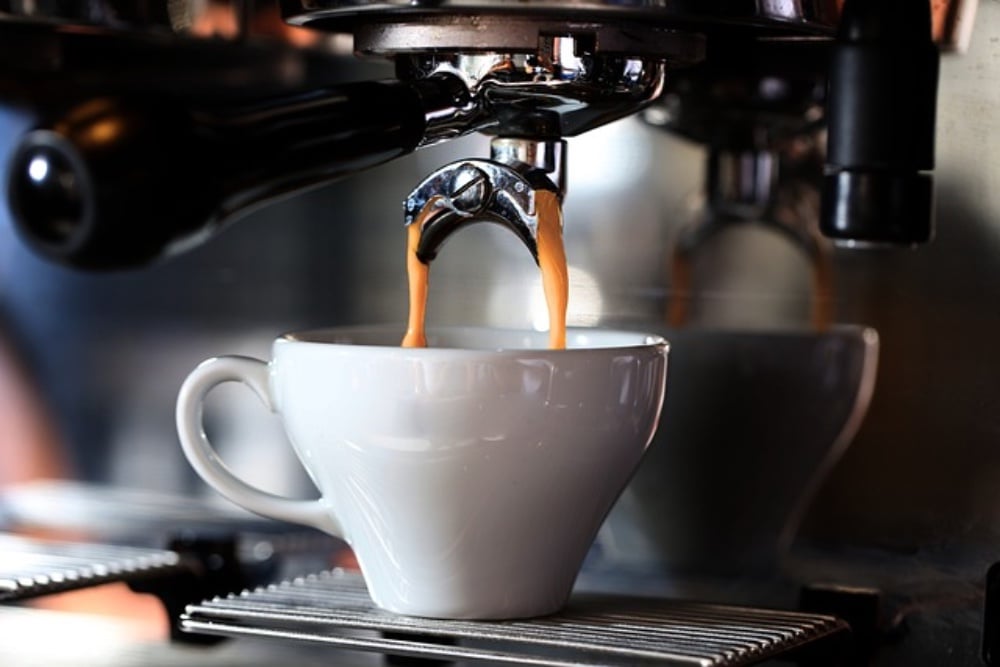
Double Espresso
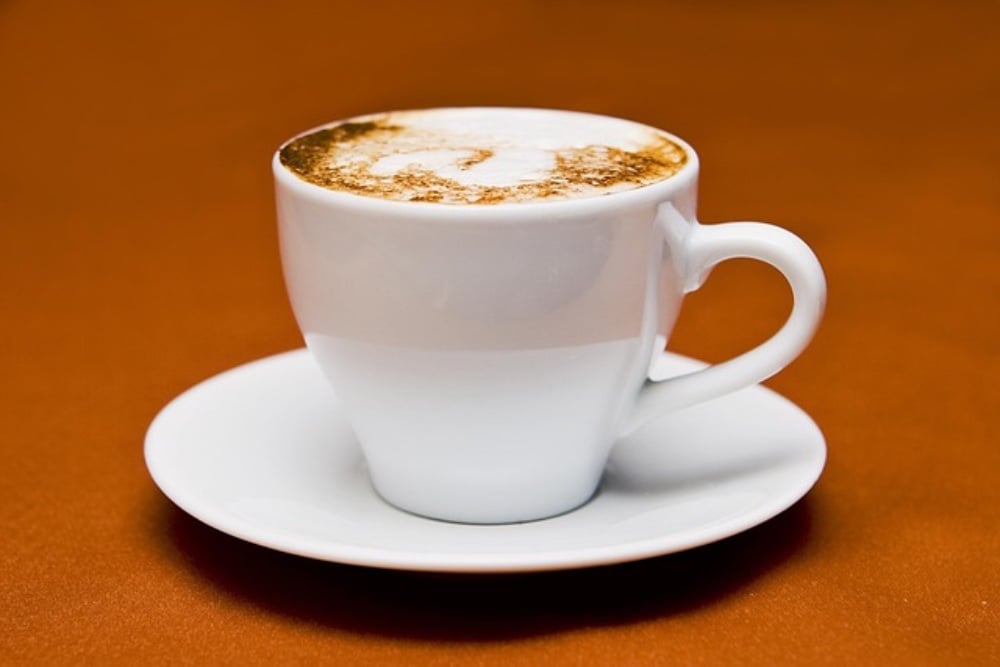
Flat White
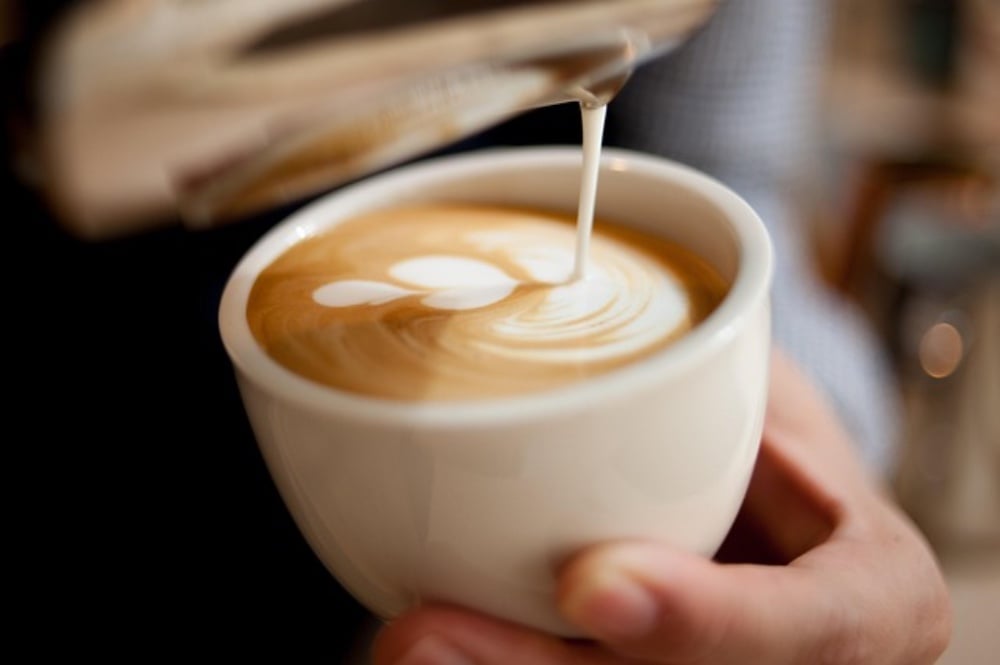
Latte
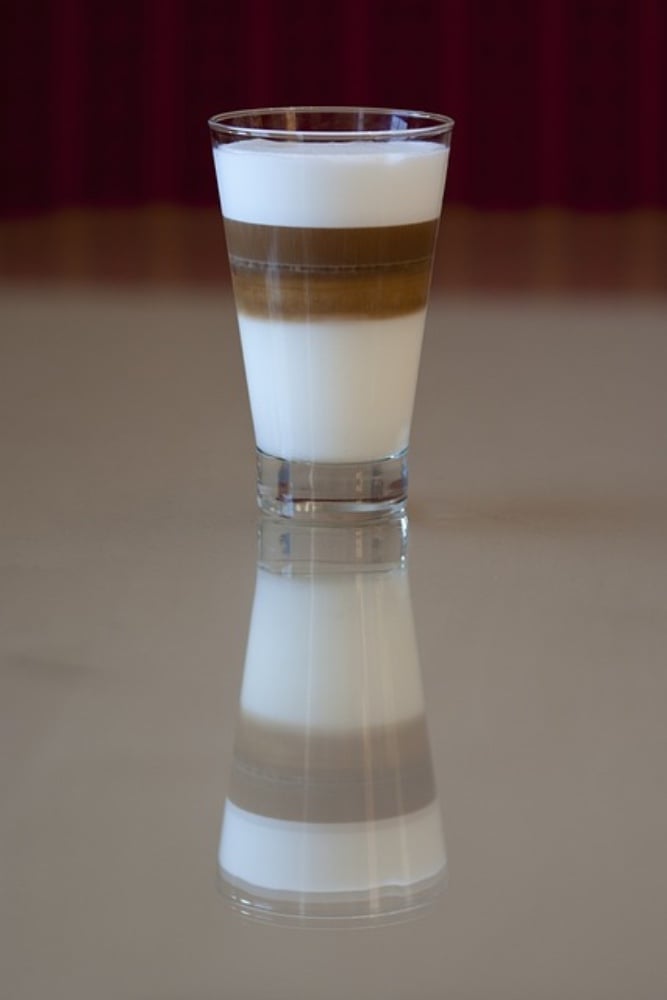
Macchiato
Mochaccino
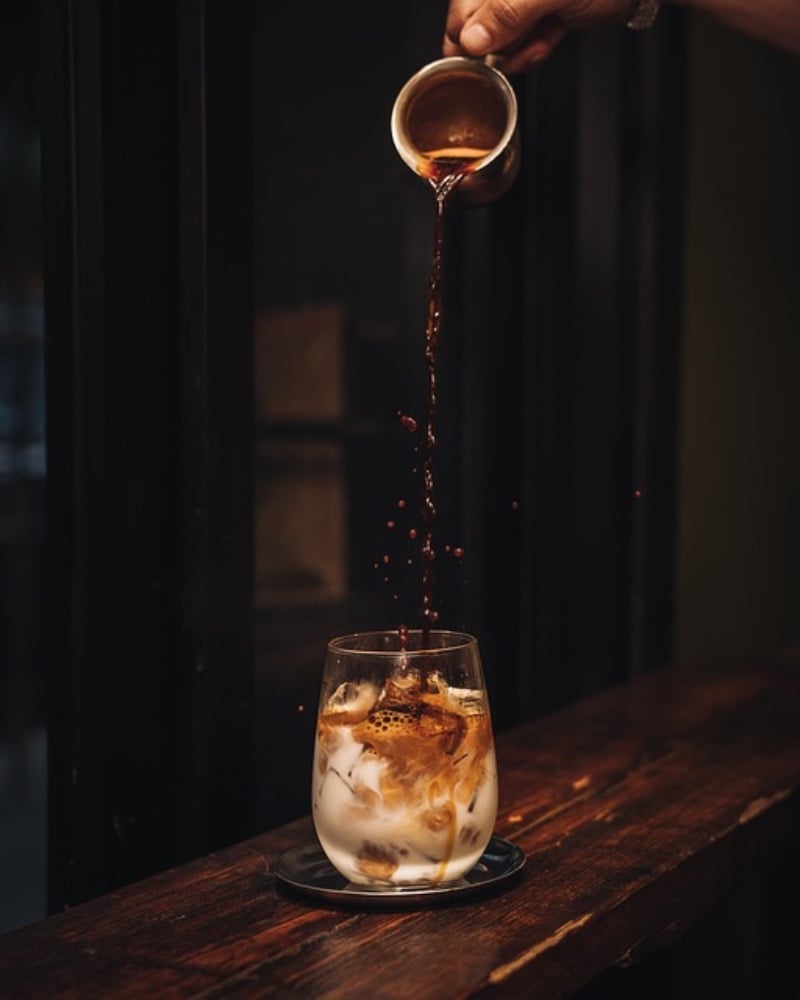
Single Espresso
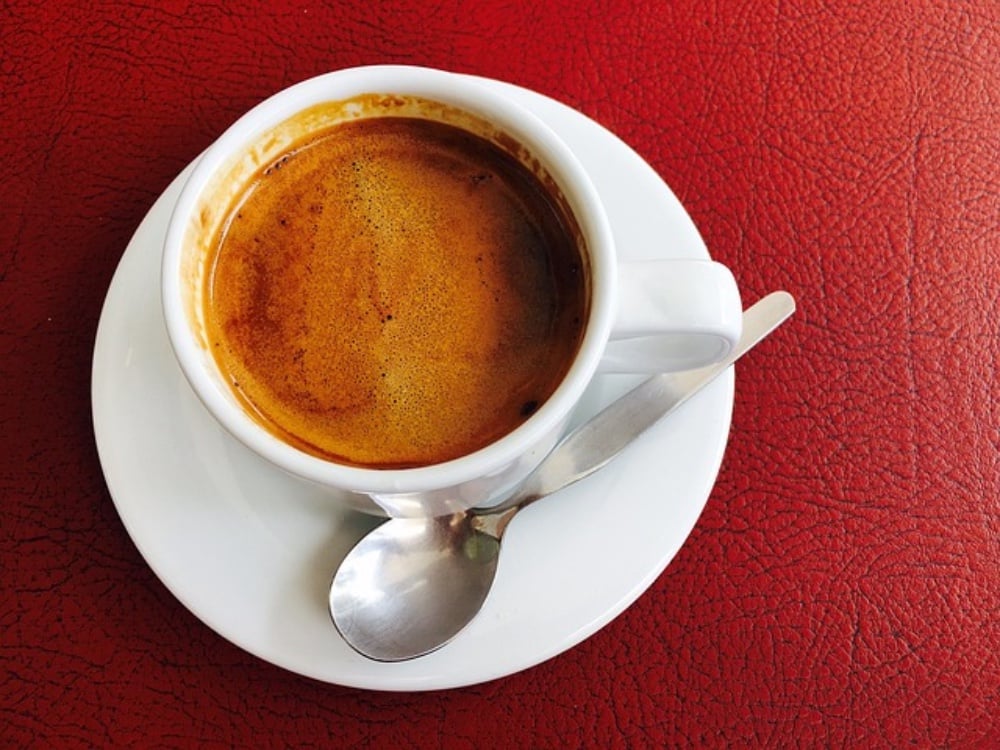
Coffee
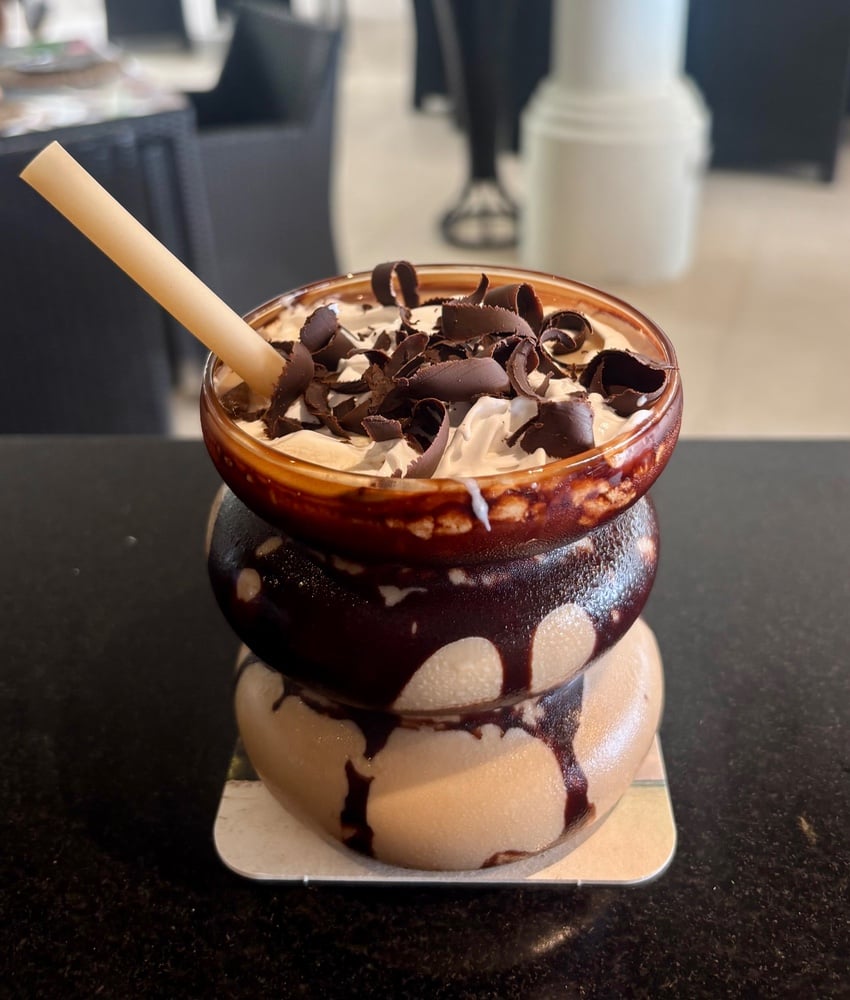
Choco Hazelnut Coffee
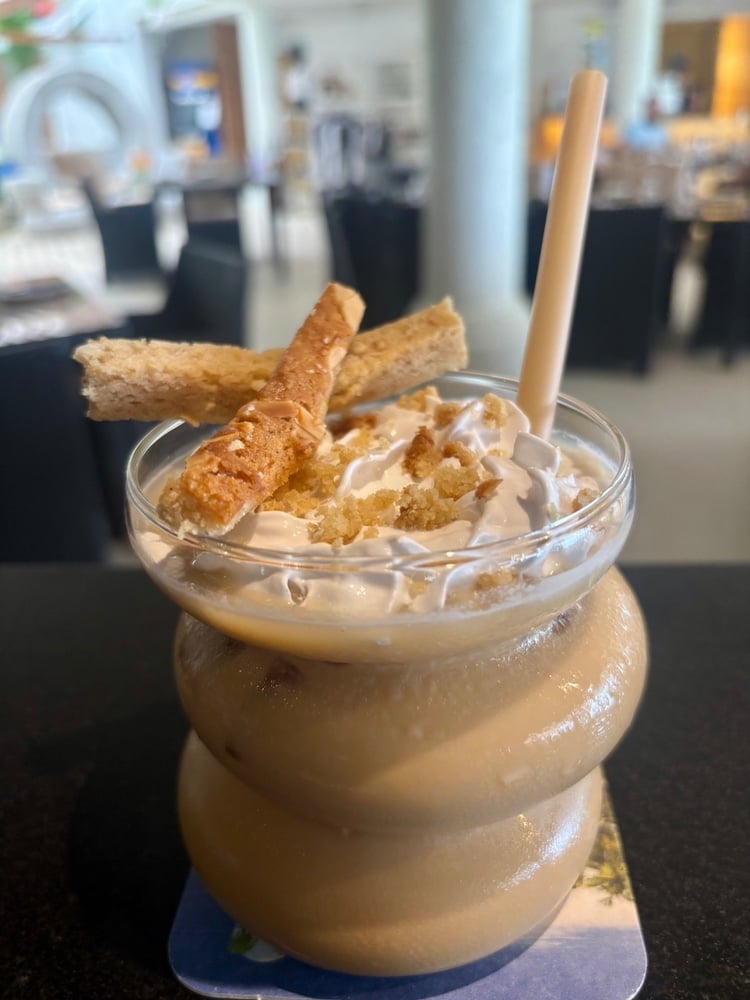
Butterscotch Coffee
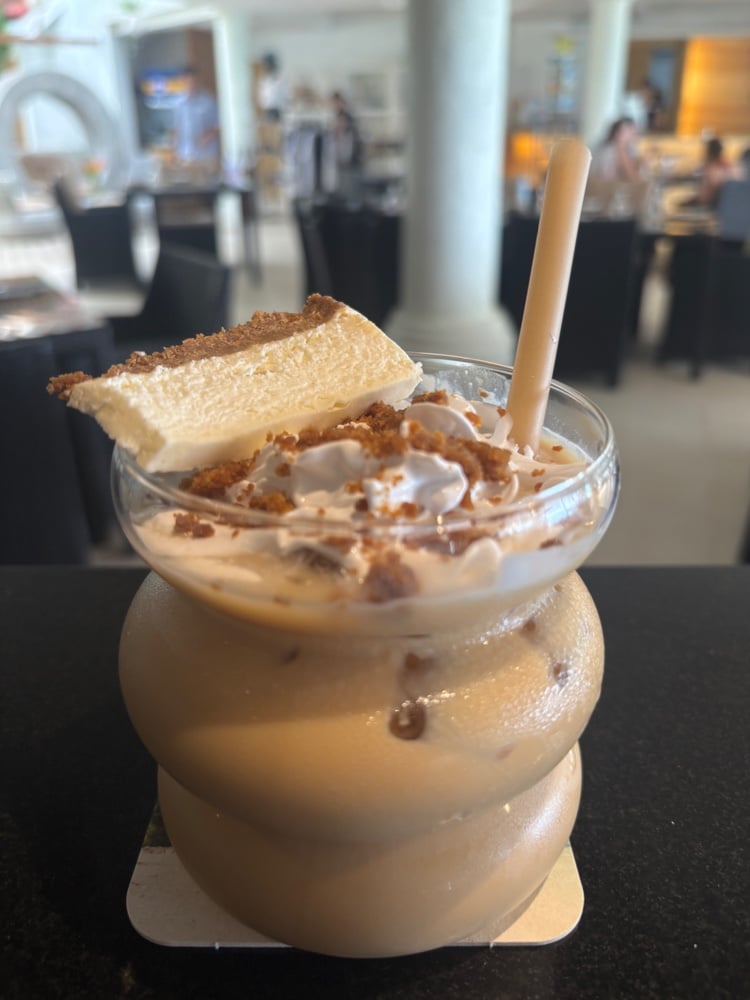
Cheesecake Coffee

Cacao Milk
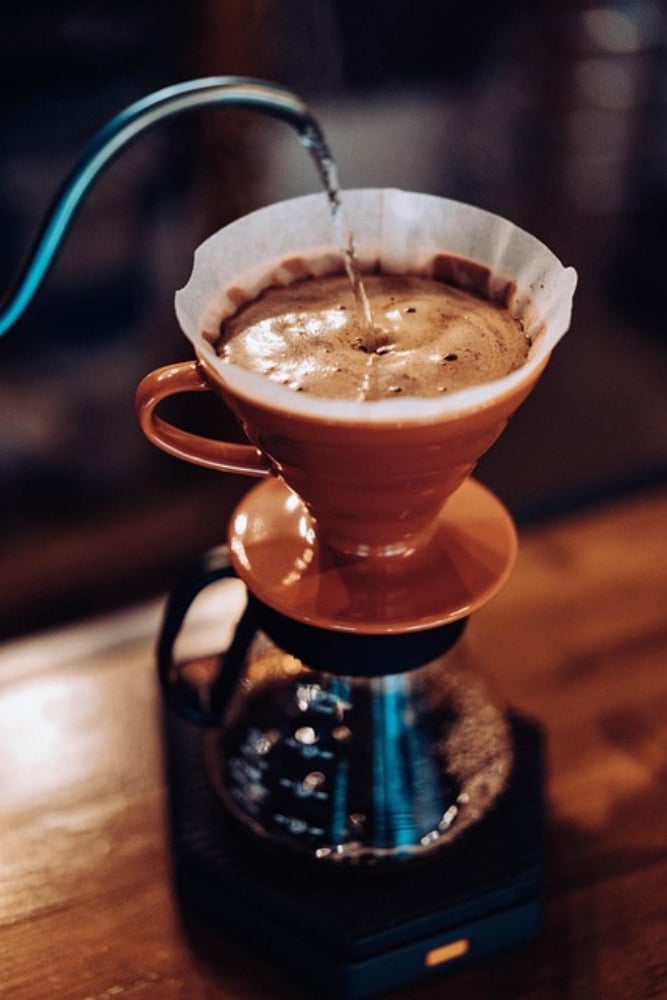
Drip Coffee
Juice
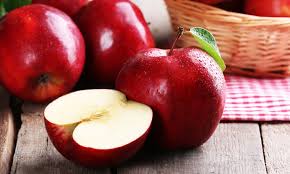
Apple Juice
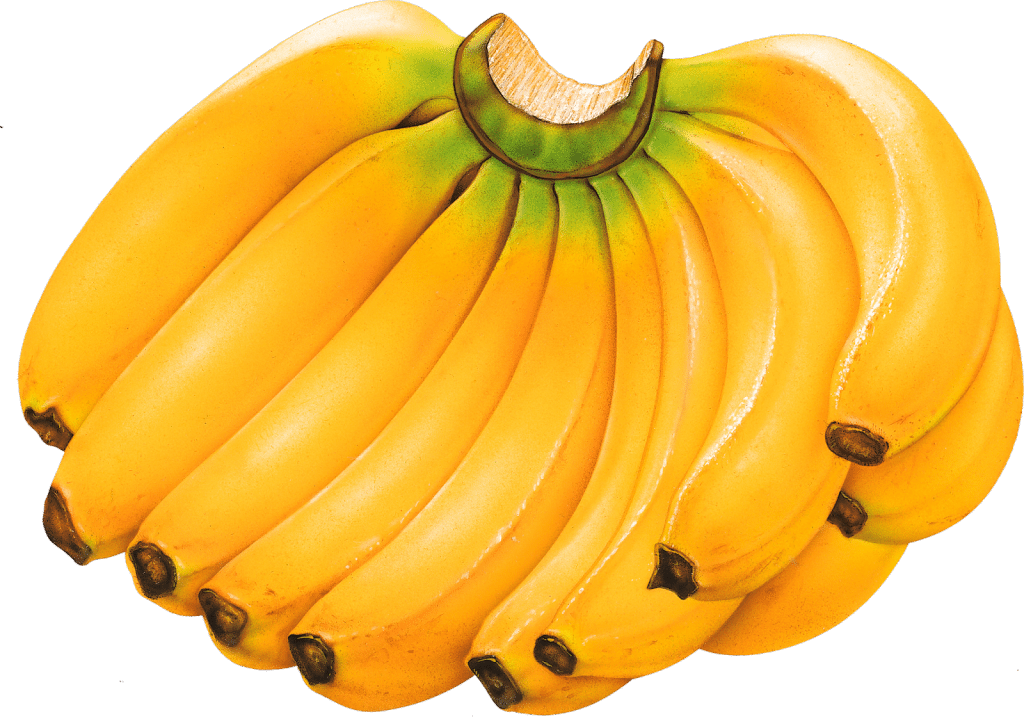
Banana Juice
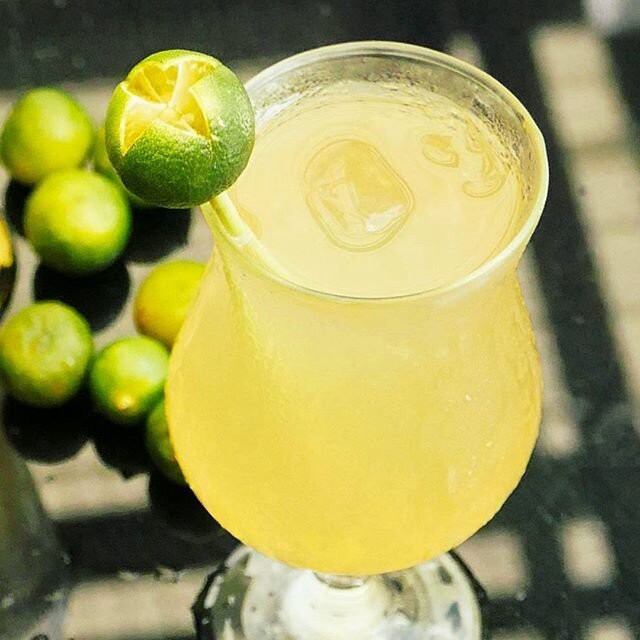
Calamansi Juice
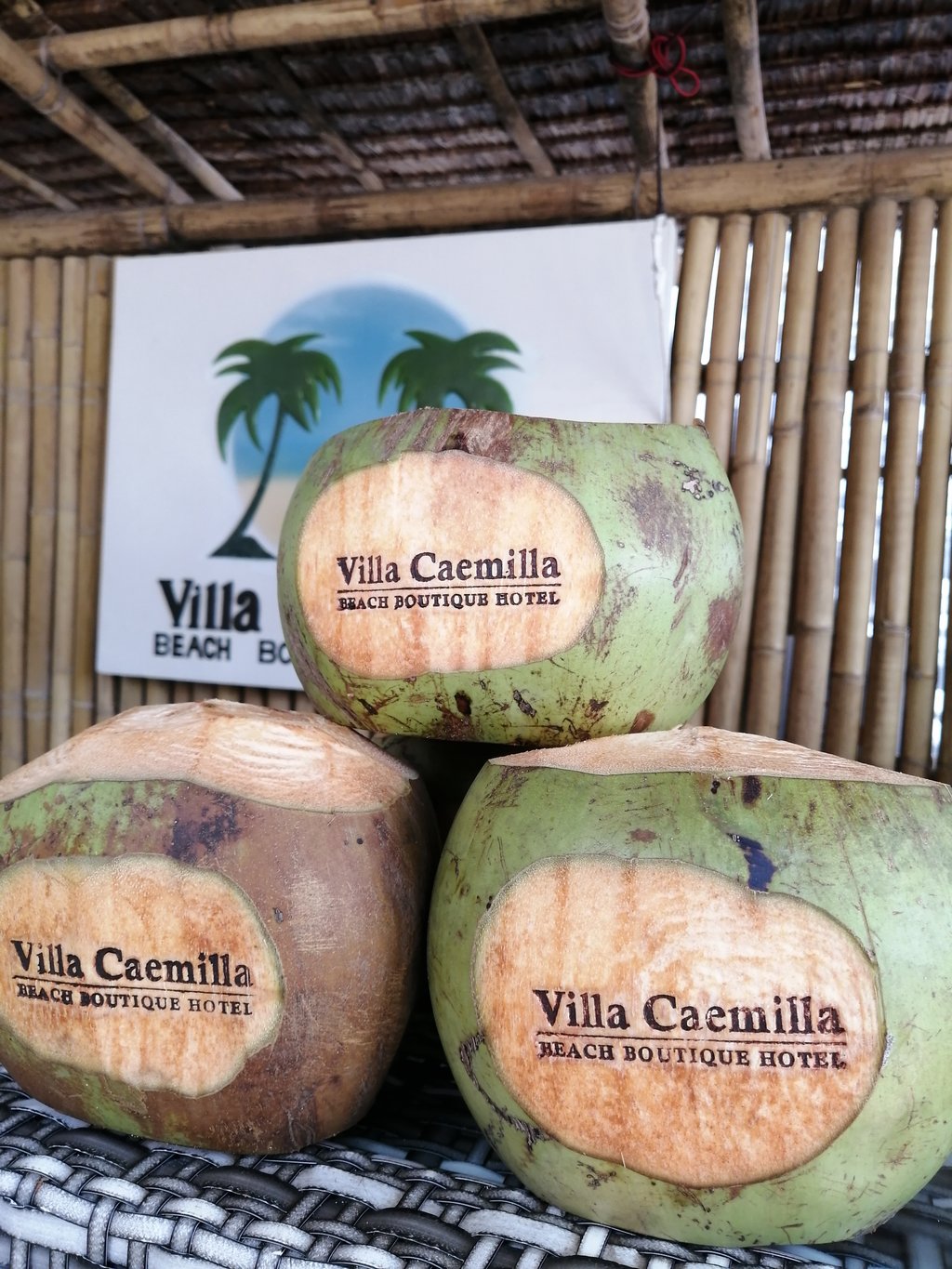
Coconut Juice
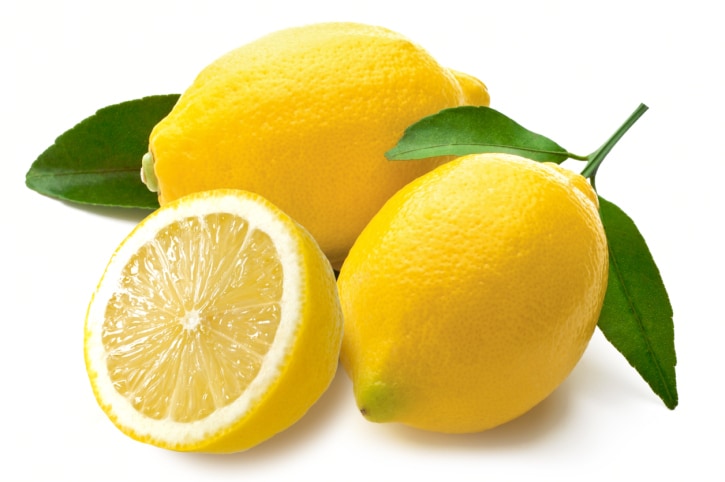
Lemon Juice
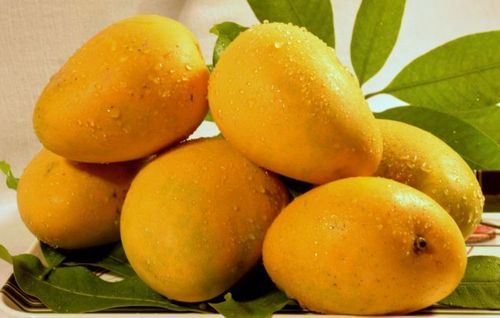
Mango Juice
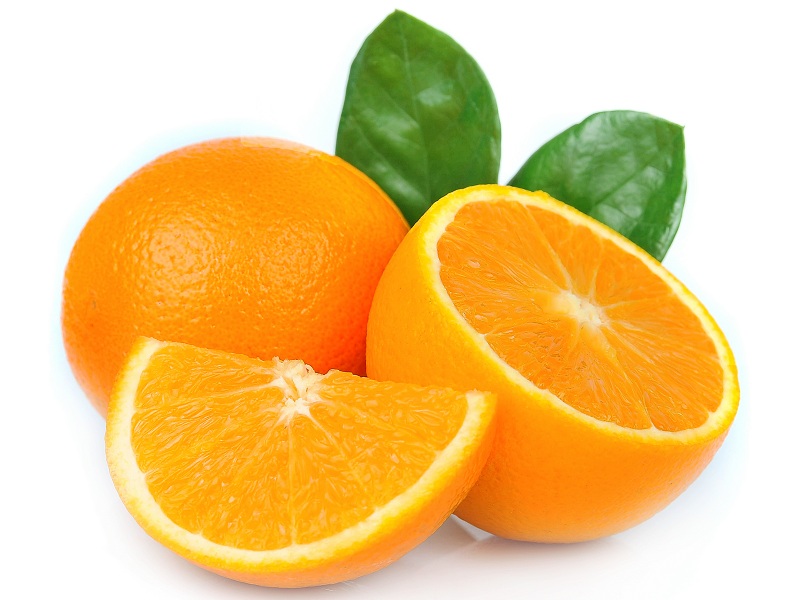
Orange Juice
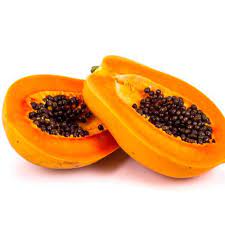
Papaya Juice
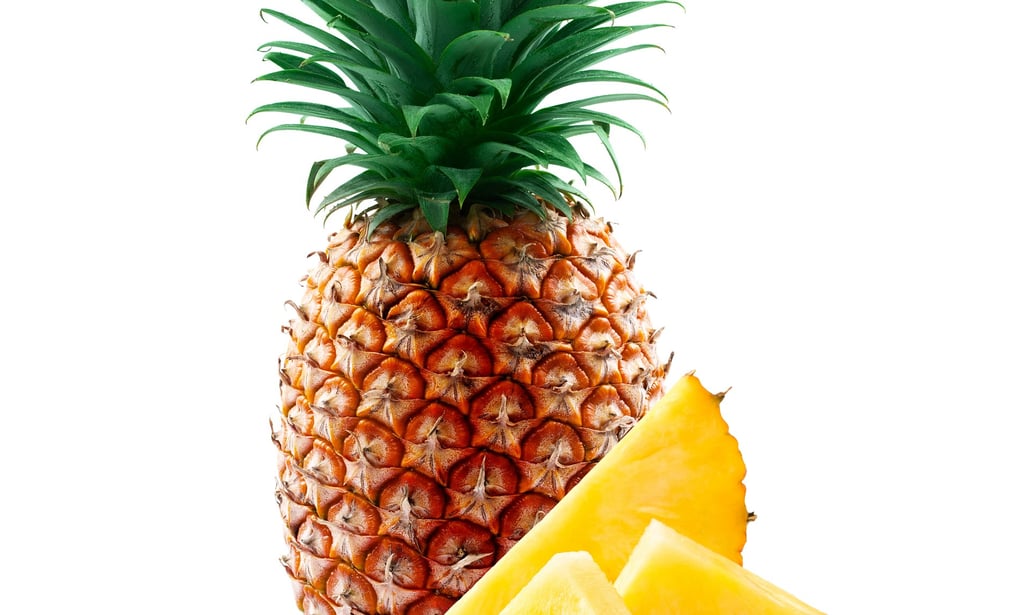
Pineapple Juice
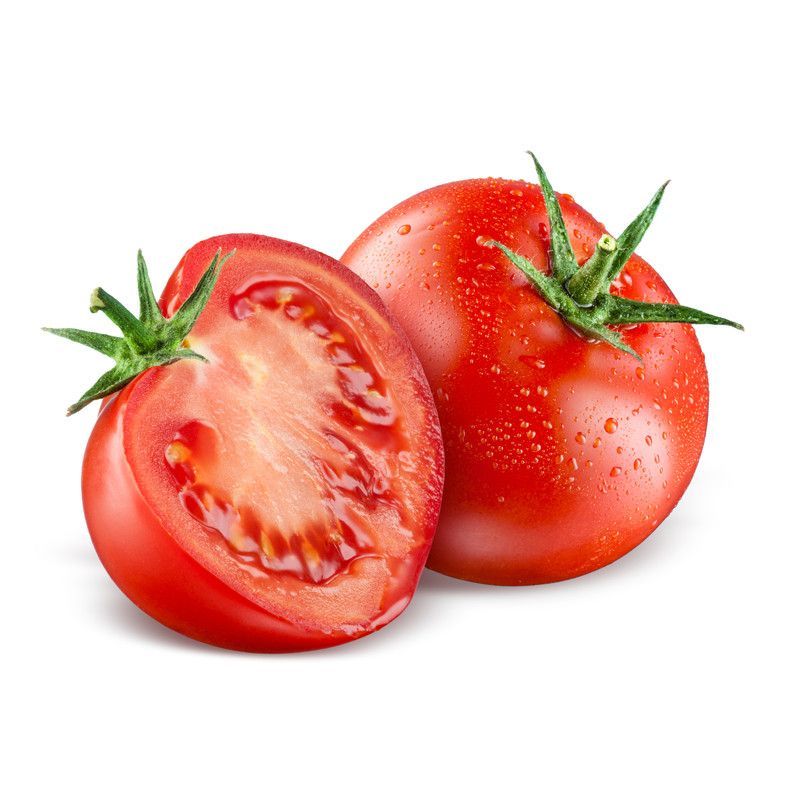
Tomato Juice

Watermelon Juice
Shake
Apple Shake
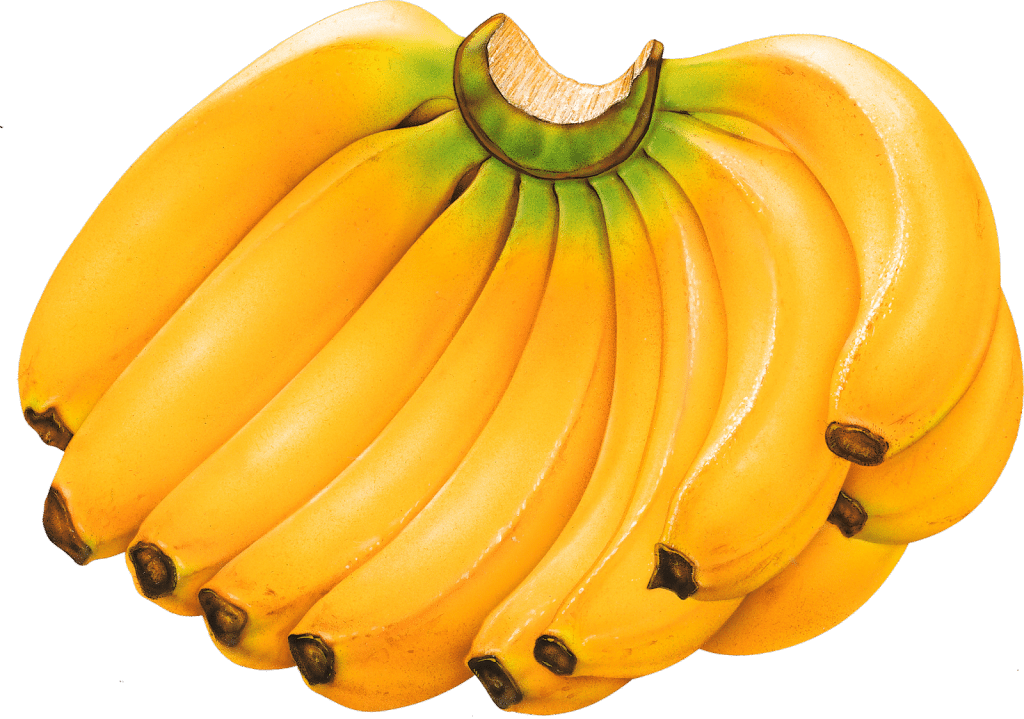
Banana Shake
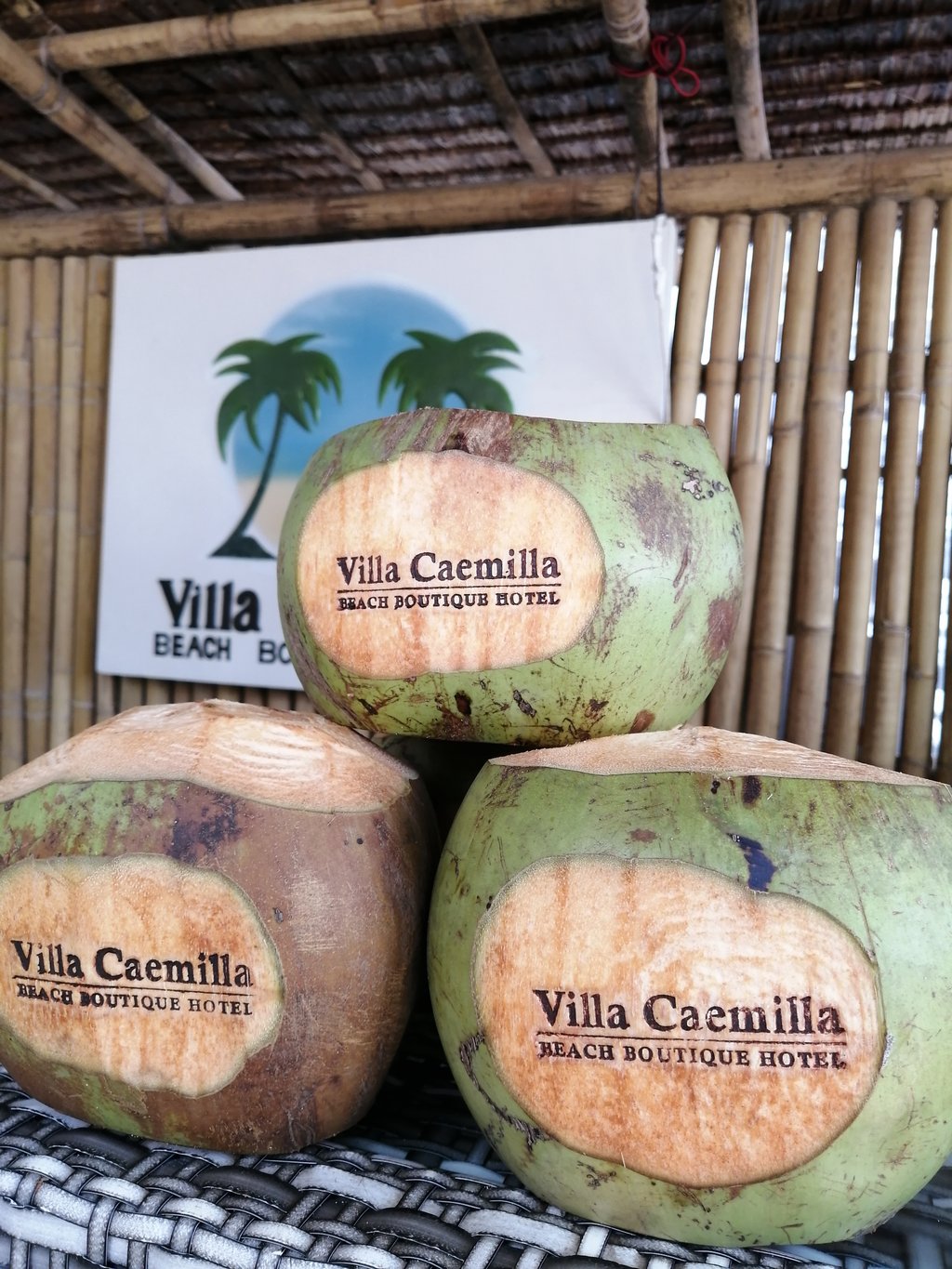
Coconut Shake
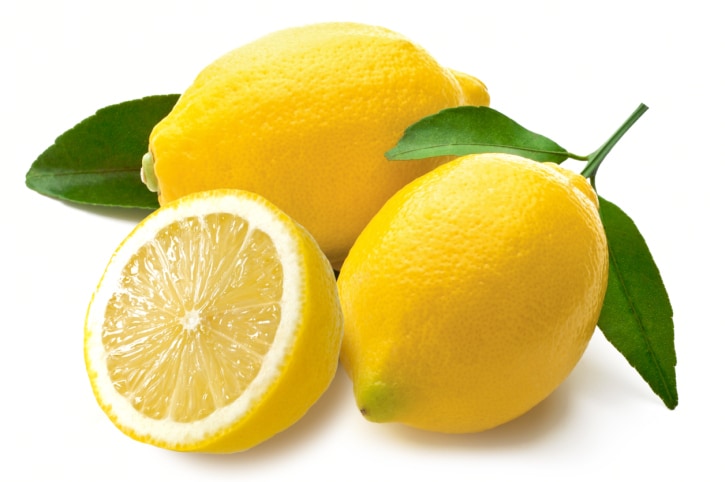
Lemon Shake
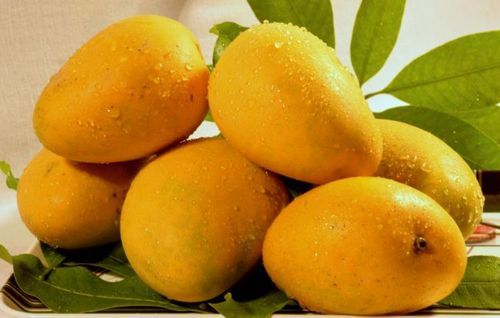
Mango Shake
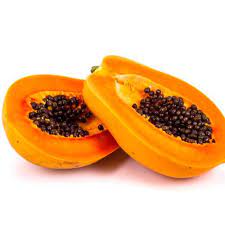
Papaya Shake
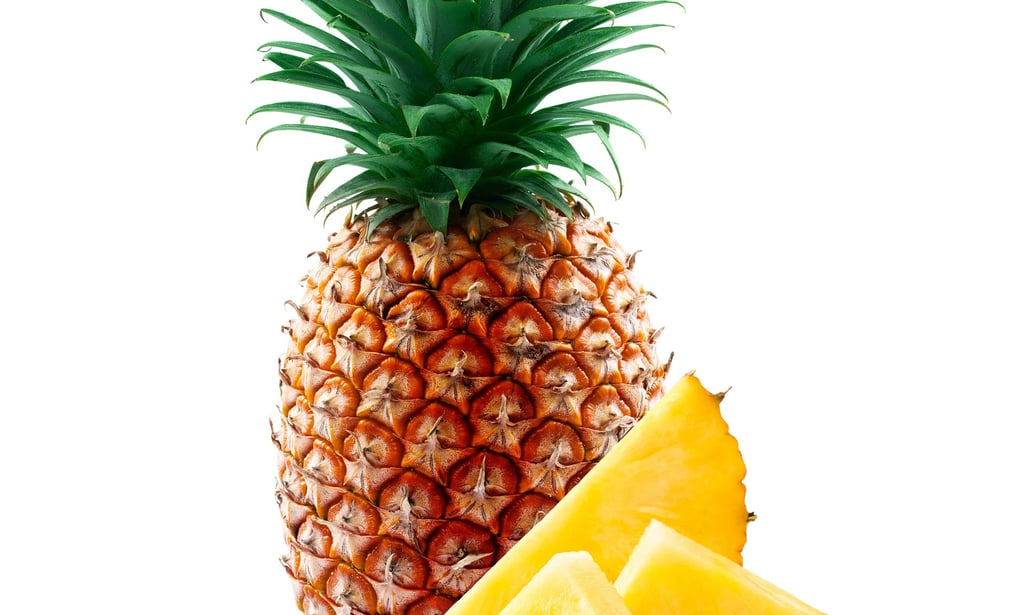
Pineapple Shake
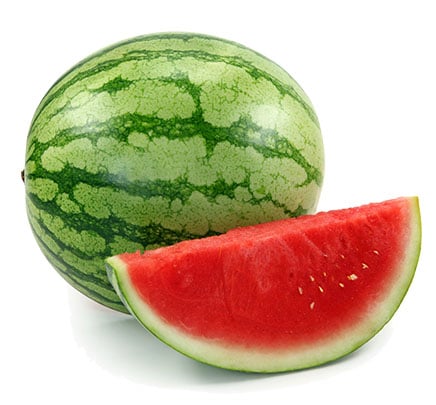
Watermelon Shake
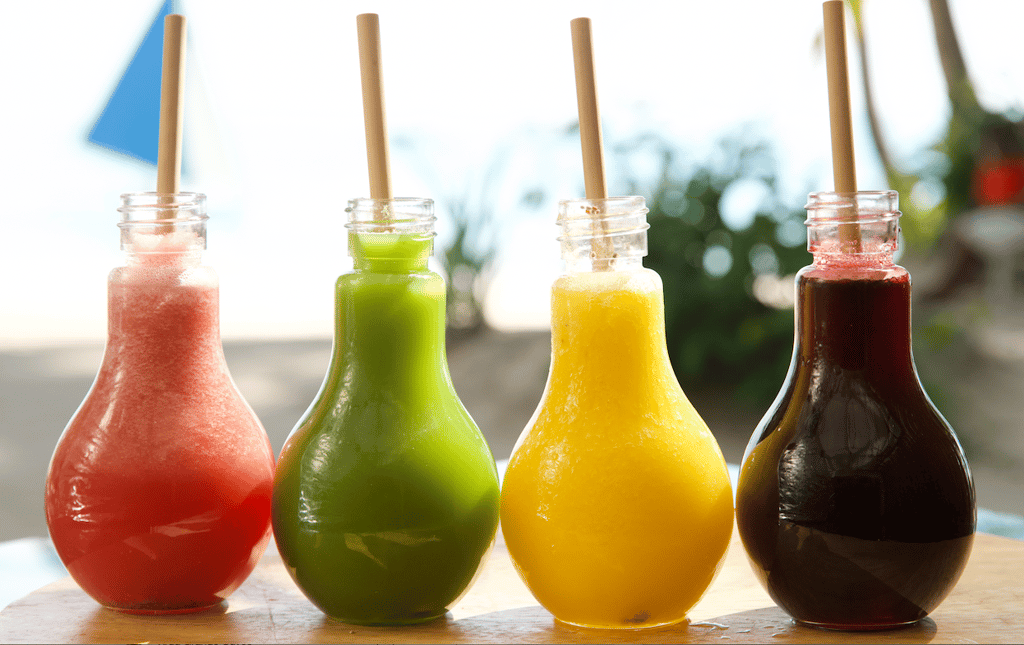
Healthy Drinks
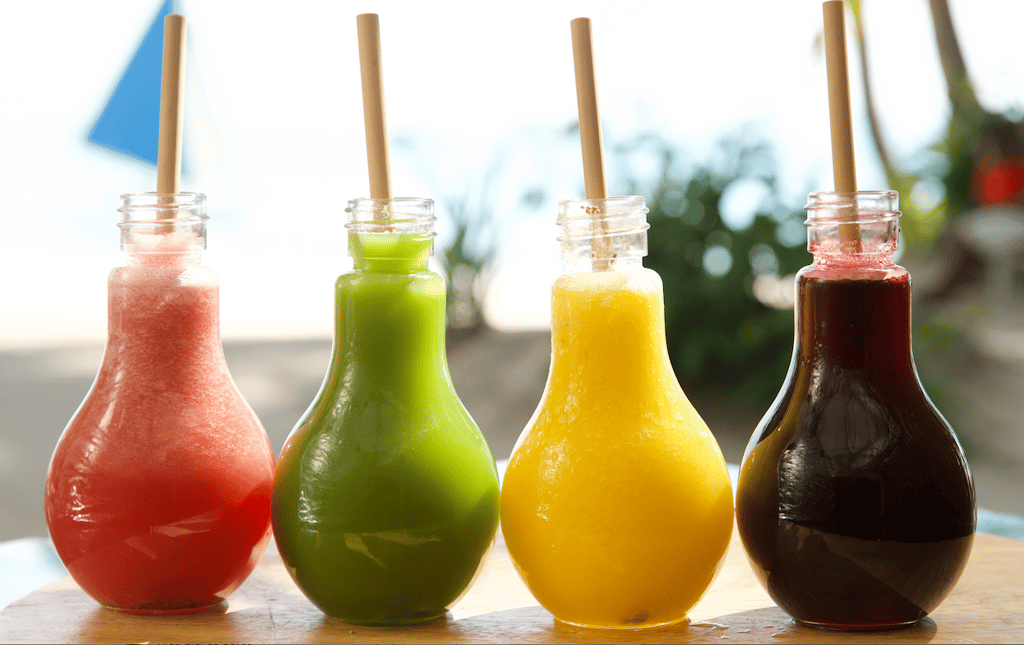
Zesty Green Refresh
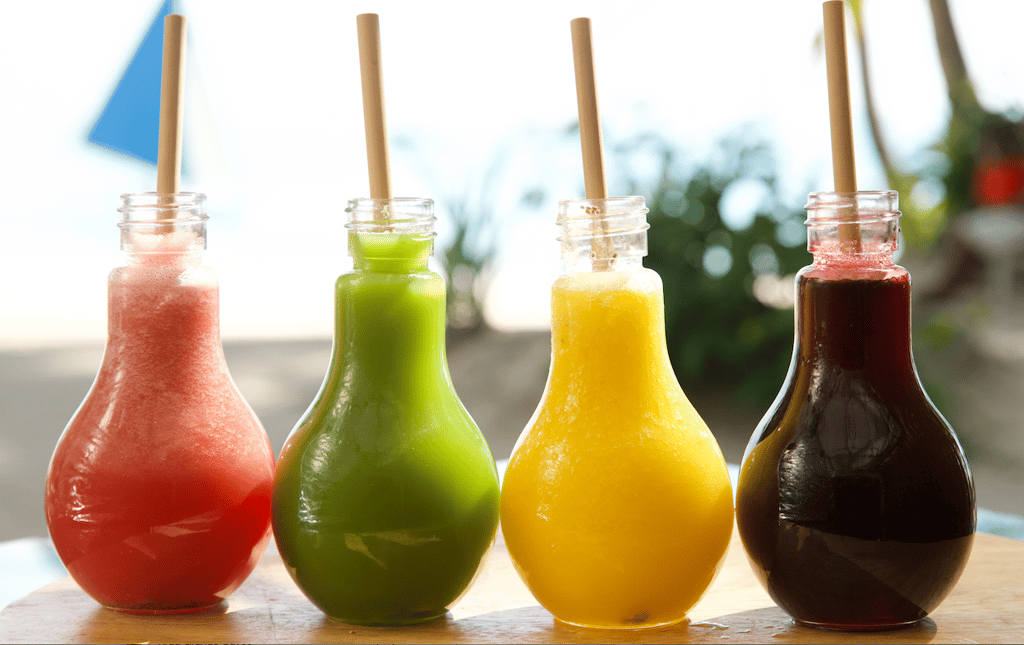
Morning Glow
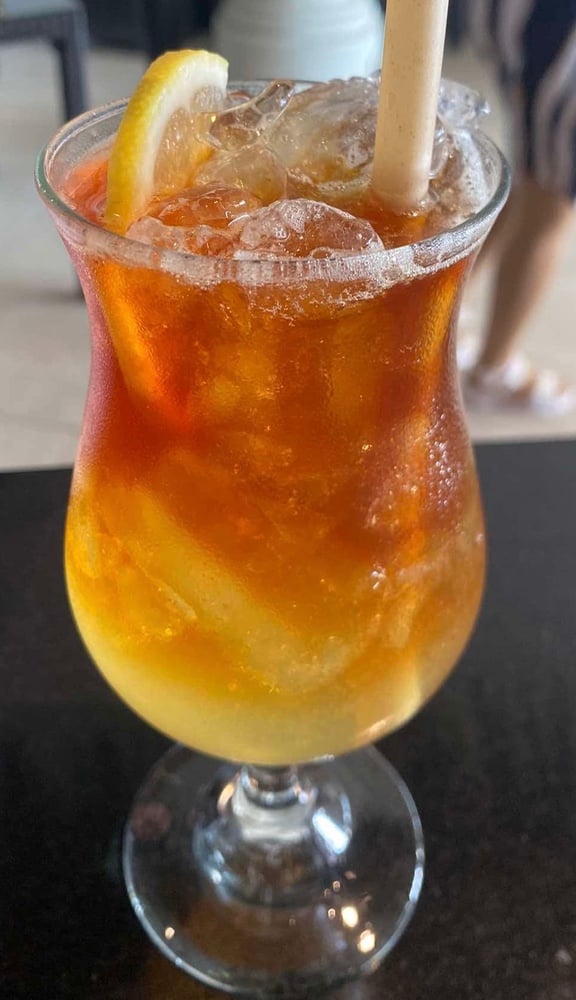
Homemade Iced Tea
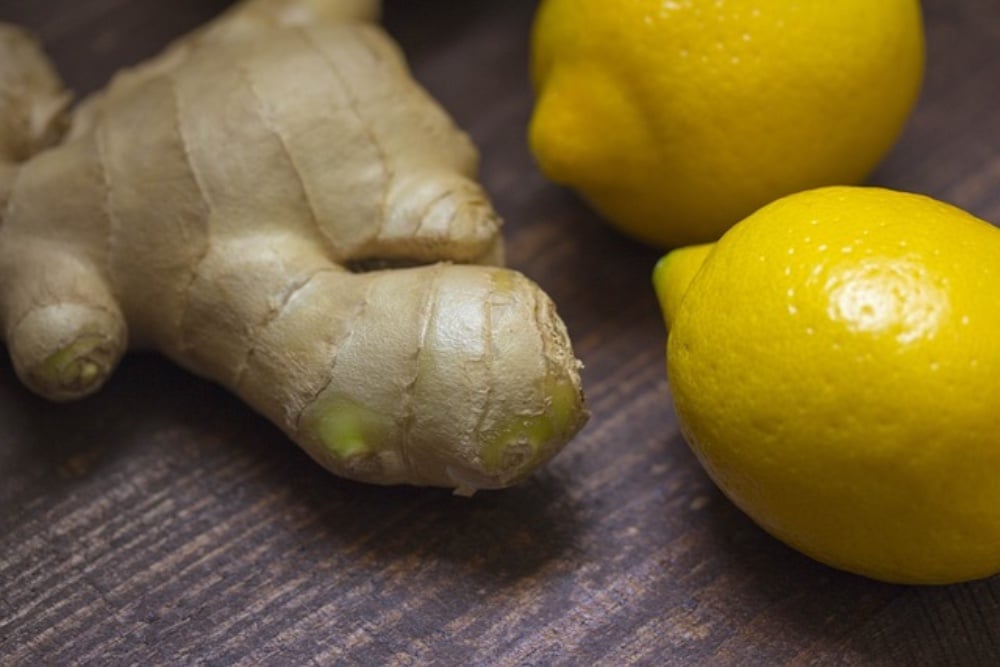
Hot Elixir
Arrival Sipper
Fruits
Papaya Fruit
Beers
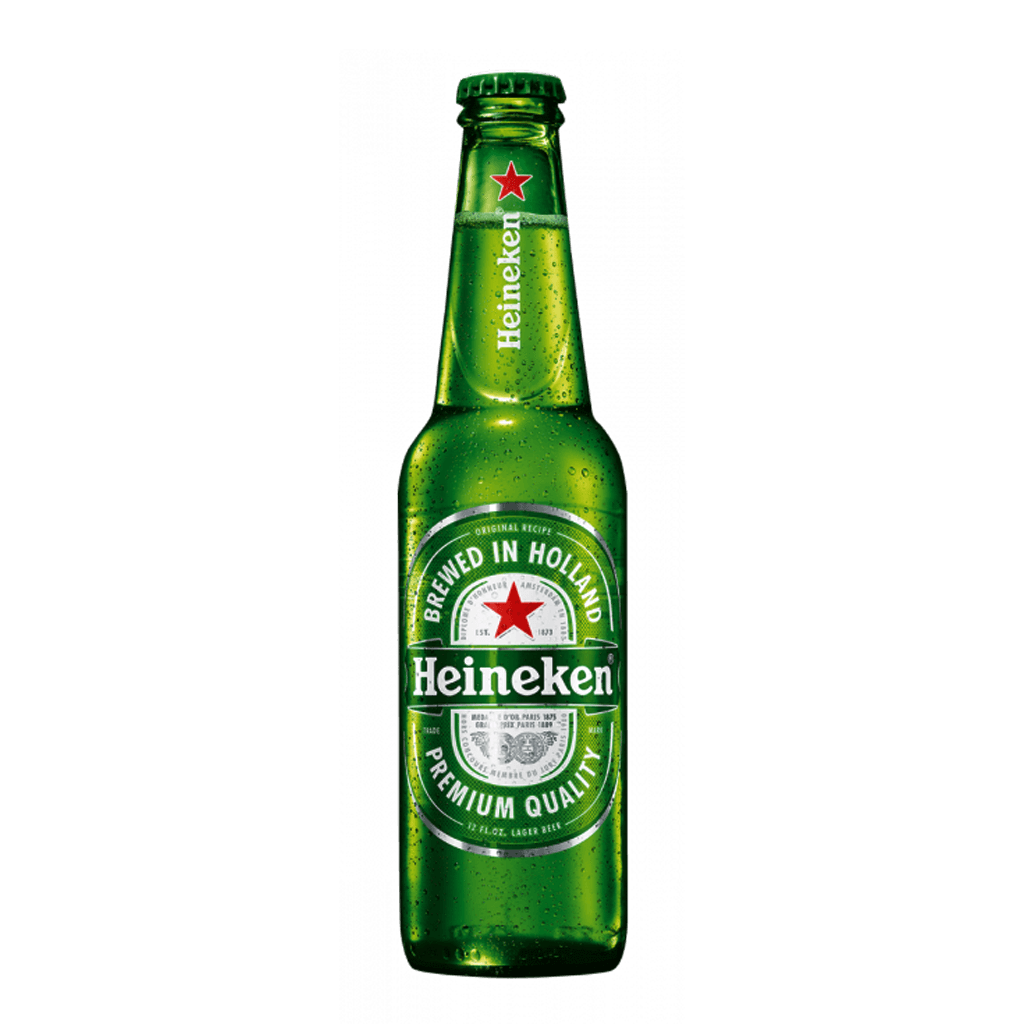
Heineken Bottle
Red Horse
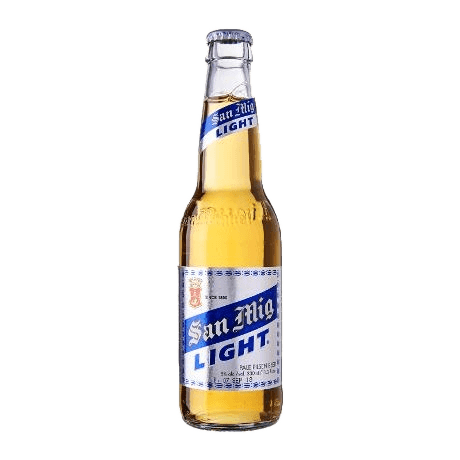
SM Light
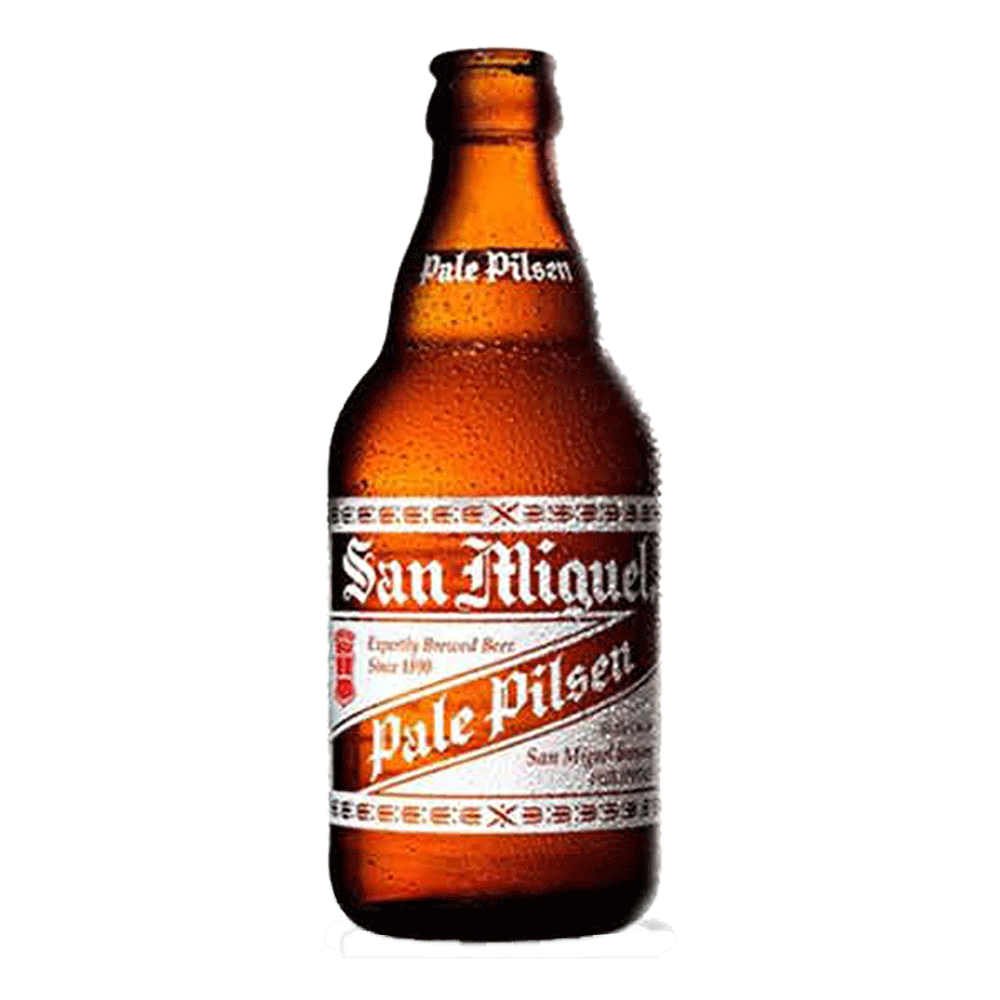
SM Pale
White Beach Blonde Ale Draft
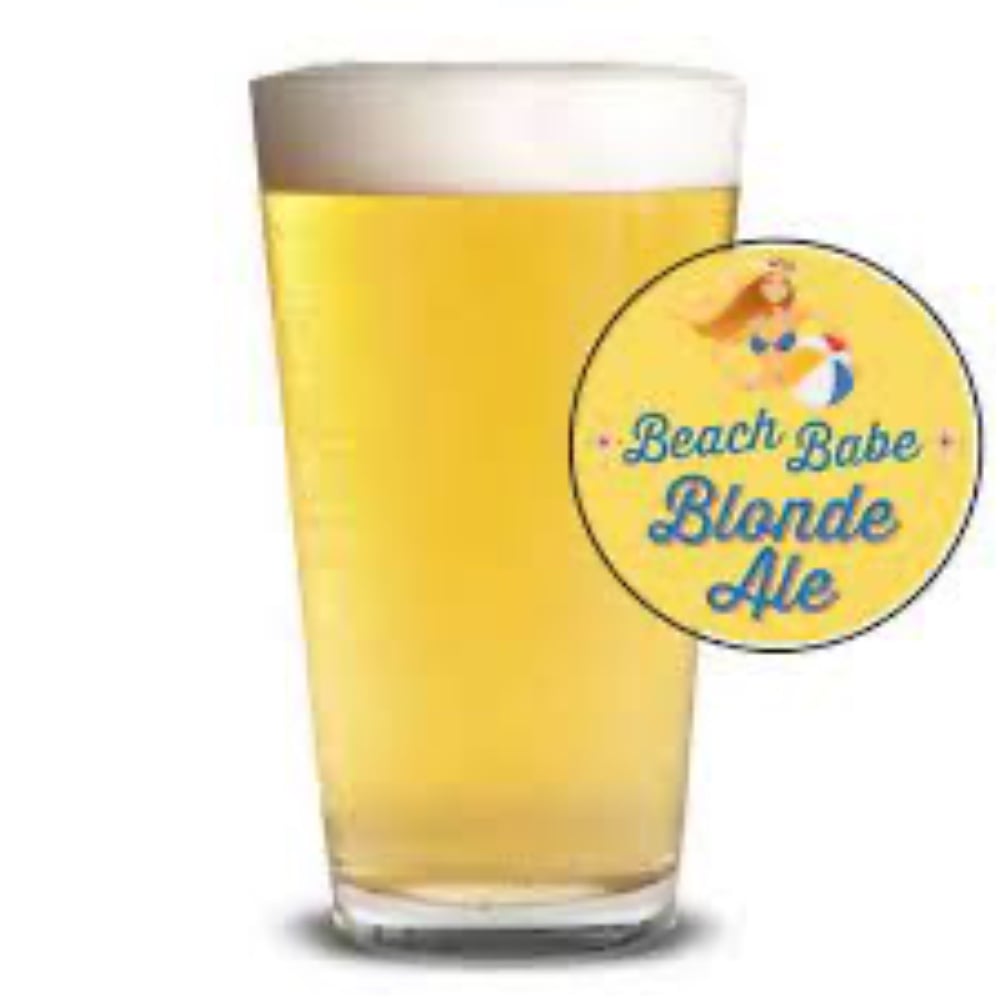
White Beach Blonde Ale
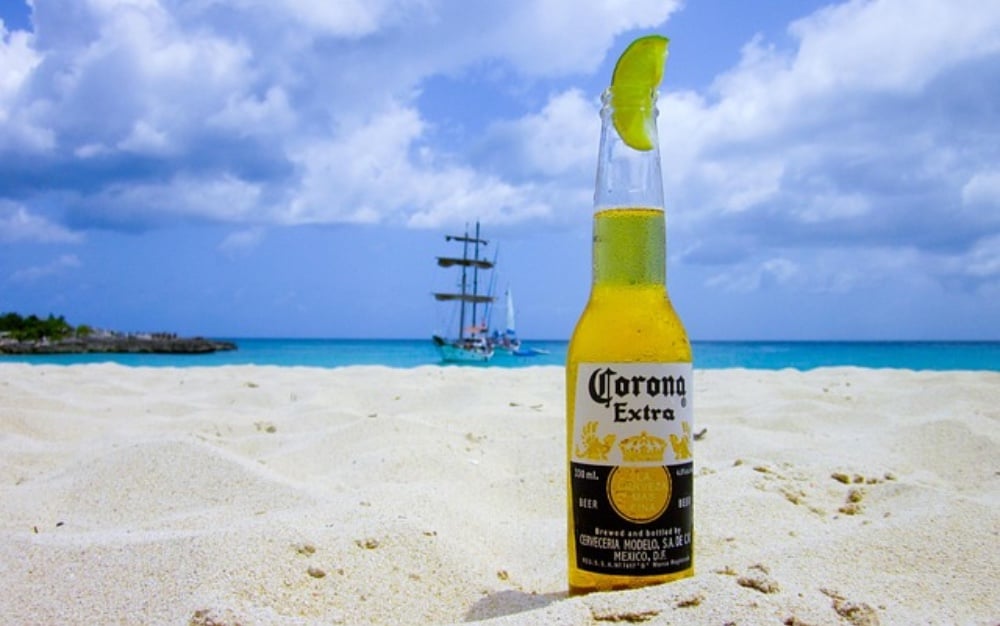
Corona Beer
Cocktails
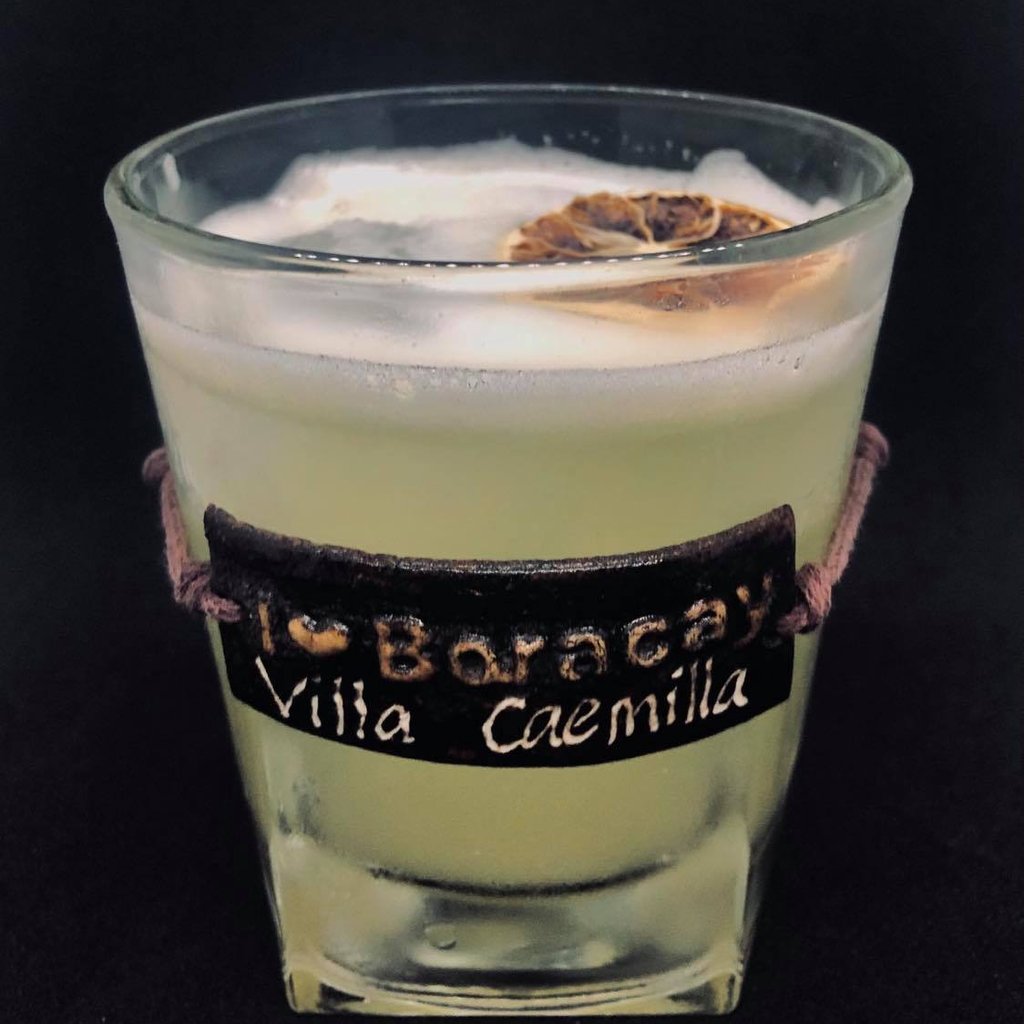
Amaretto Sour
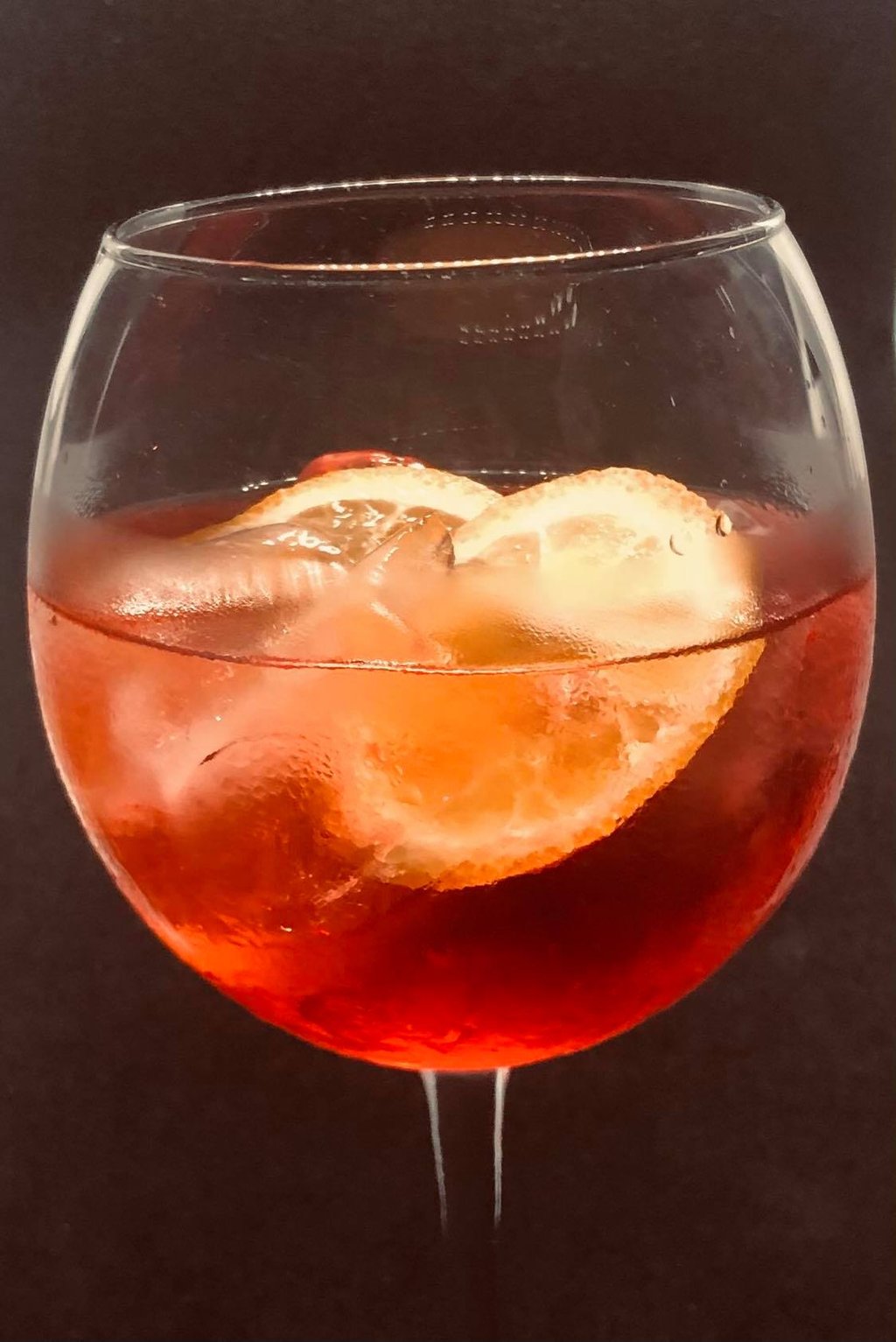
Aperol Spritz
Spritz was born during the period of the Habsburg domination in Veneto in the 1800s, under the Kingdom of Lombardy–Venetia. The soldiers, but also the various merchants, diplomats and employees of the Habsburg Empire in Veneto became quickly accustomed to drinking local wine in the taverns, but they were not familiar with the wide variety of wines from the Veneto, and the alcohol content was higher than they were accustomed to.[ The newcomers started to ask the local hosts to spray a drop of water into the wine (spritzen, in German) to make the wines lighter; the real original spritz was composed of sparkling white wine or red wine diluted with fresh water.The Italian aperitif Aperol was created in Padua in 1919 by the Barbieri brothers. The original recipe has supposedly remained unchanged over time but it wasn't until the 1950s that Aperol Spritz became a popular alternative to the usual Venetian mix of white wine and soda.In 2003 the Aperol brand was acquired by Campari Group. The Group positioned Aperol Spritz as "the perfect drink for social occasions", increasing sales to four times the pre-acquisition levels.A ready-to-enjoy-drink version of the Aperol Spritz was launched by the company in 2011, which contained just 8% of alcohol. This was intended to give consumers a chance to enjoy the drink at home with minimal effort, by simply adding ice and an orange slice.
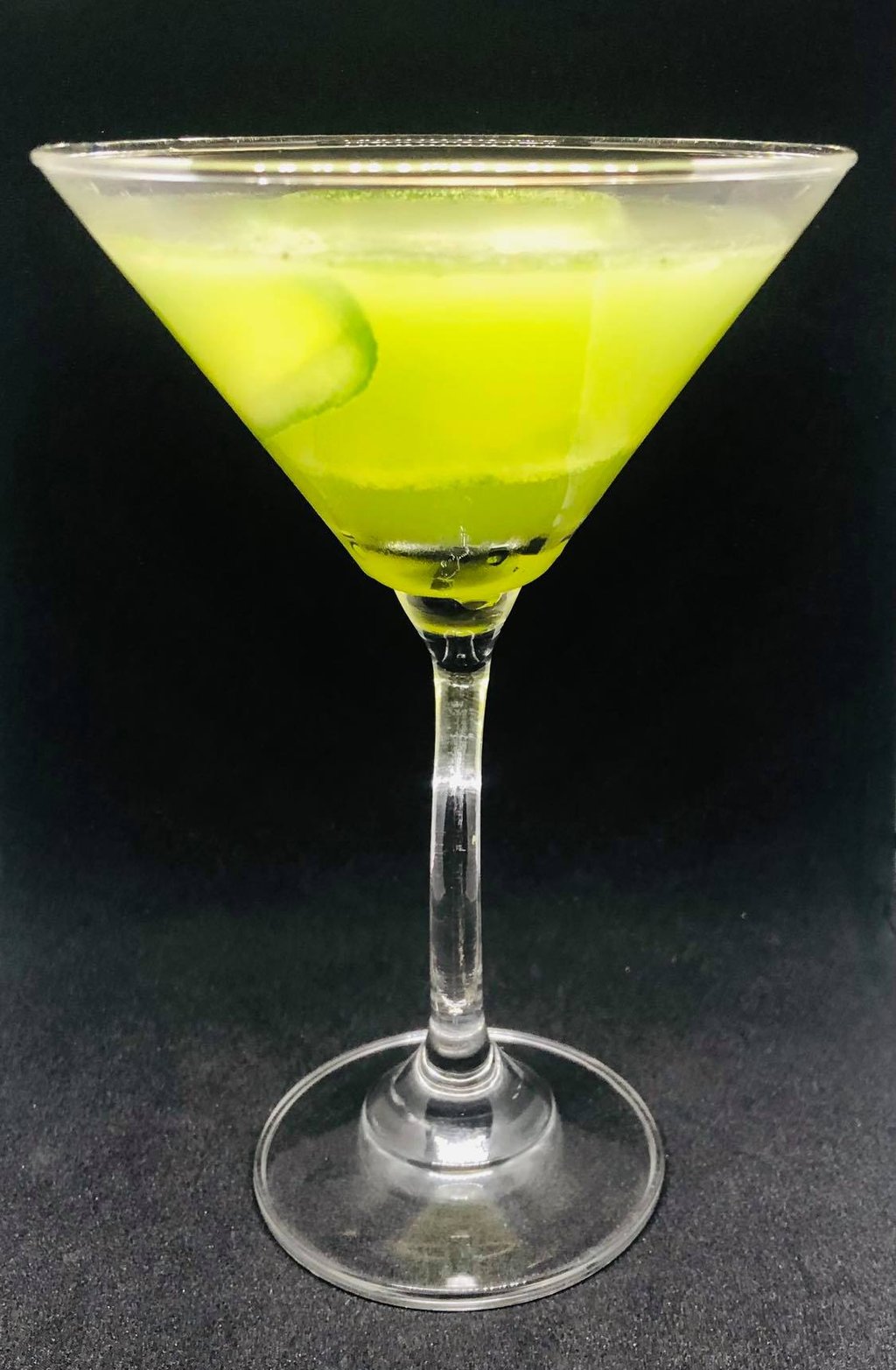
Basil Smash
Jörg Meyer, the owner of Le Lion in Hamburg, was inspired to create the Gin Basil Smash in 2008 after trying the Whiskey Smash, a cocktail by Dale DeGroff, a mentor bartender to many young mixologists, at Pegu Club. It’s a simple drink, basically a gin Mojito with muddled basil instead of mint. But that was enough to impress most of Europe and etch upon the bar’s exterior the proclamation, “Cradle of the Gin Basil Smash.”
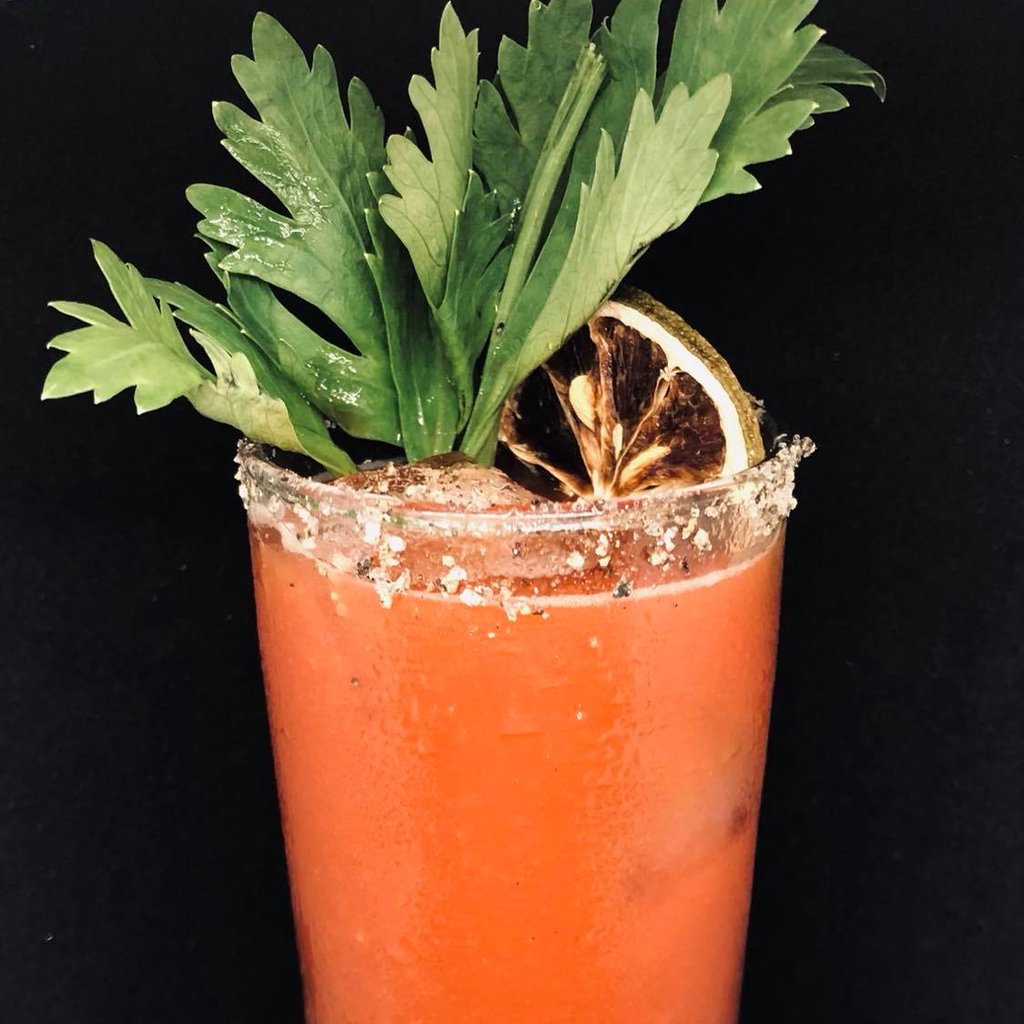
Bloody Mary
The French bartender Fernand Petiot claimed to have invented the Bloody Mary in 1921, well before any of the later claims, according to his granddaughter. He was working at the New York Bar in Paris at the time, which later became Harry's New York Bar, a frequent Paris hangout for Ernest Hemingway and other American migrants. The original cocktail is said to have been created on the spur of the moment, according to the bar's own traditions, consisting only of vodka and tomato juice. This cocktail was originally referred to as a "Bucket of Blood". Harry's Bar also claims to have created numerous other classic cocktails, including the White Lady and the Side Car.
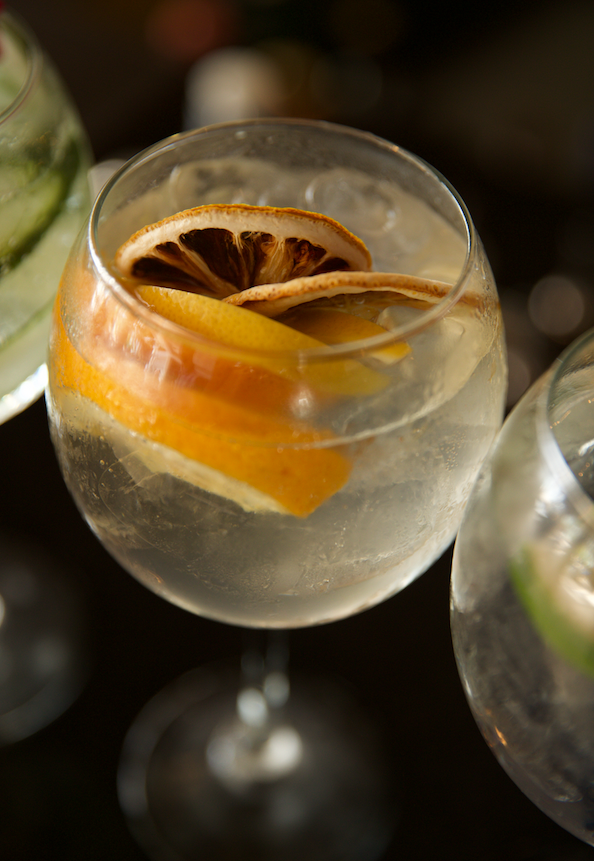
Bombay Tonic
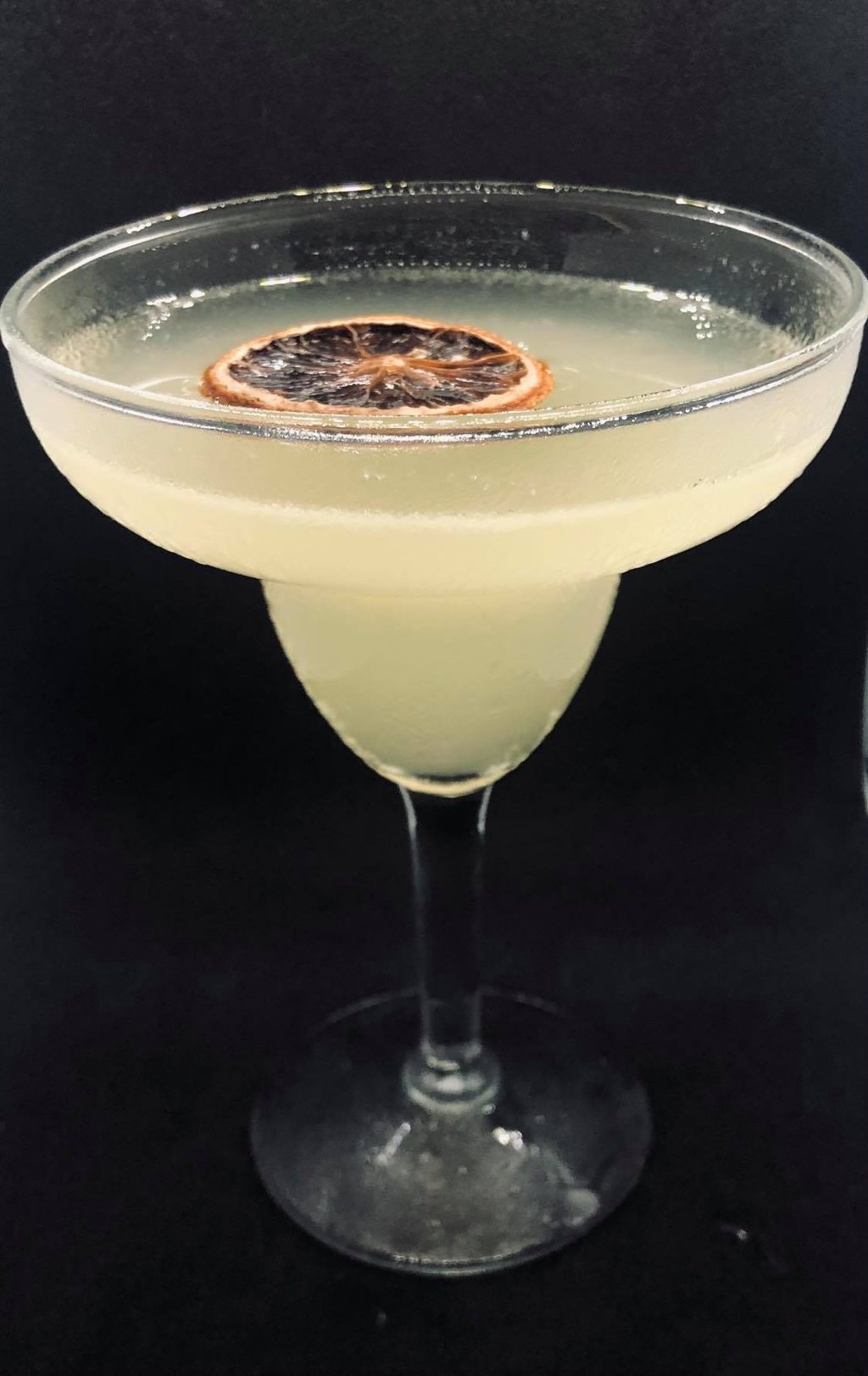
Classic Daiquiri
Daiquirí is also the name of a beach and an iron mine near Santiago de Cuba and is a word of Taíno origin. The drink was supposedly invented by an American mining engineer named Jennings Cox, who was in Cuba at the time of the Spanish–American War. It is also possible that William A. Chanler, a US congressman who purchased the Santiago iron mines in 1902, introduced the daiquiri to clubs in New York in that year. Originally the drink was served in a tall glass packed with cracked ice. A teaspoon of sugar was poured over the ice and the juice of one or two limes was squeezed over the sugar. Two or three ounces of white rum completed the mixture. The glass was then frosted by stirring with a long-handled spoon. Later the daiquiri evolved to be mixed in a shaker with the same ingredients but with shaved ice. After a thorough shaking, it was poured into a chilled coupe glass.
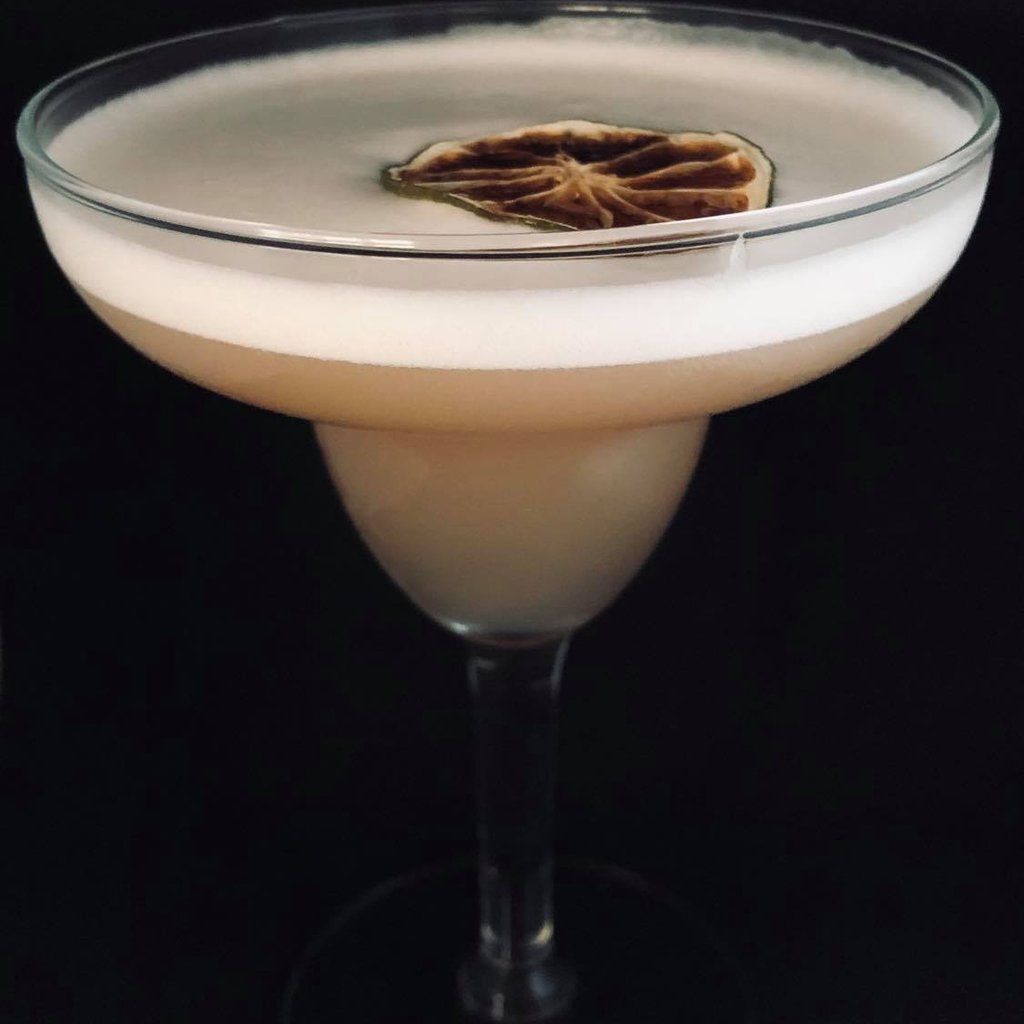
Clover Club
The Clover Club Cocktail is a drink that pre-dates Prohibition in the United States and is named for the Philadelphia men's club of the same name, which met in the Bellevue-Stratford Hotel at South Broad and Walnut Streets in Center City. The Clover Club itself dates to 1896, as seen in the 1897 book, The Clover Club of Philadelphia, page 172 by Mary R. Deacon. Brooklyn's Clover Club restaurant claims that the Philadelphia men's club dates to 1882 and lasted until "the 1920s."
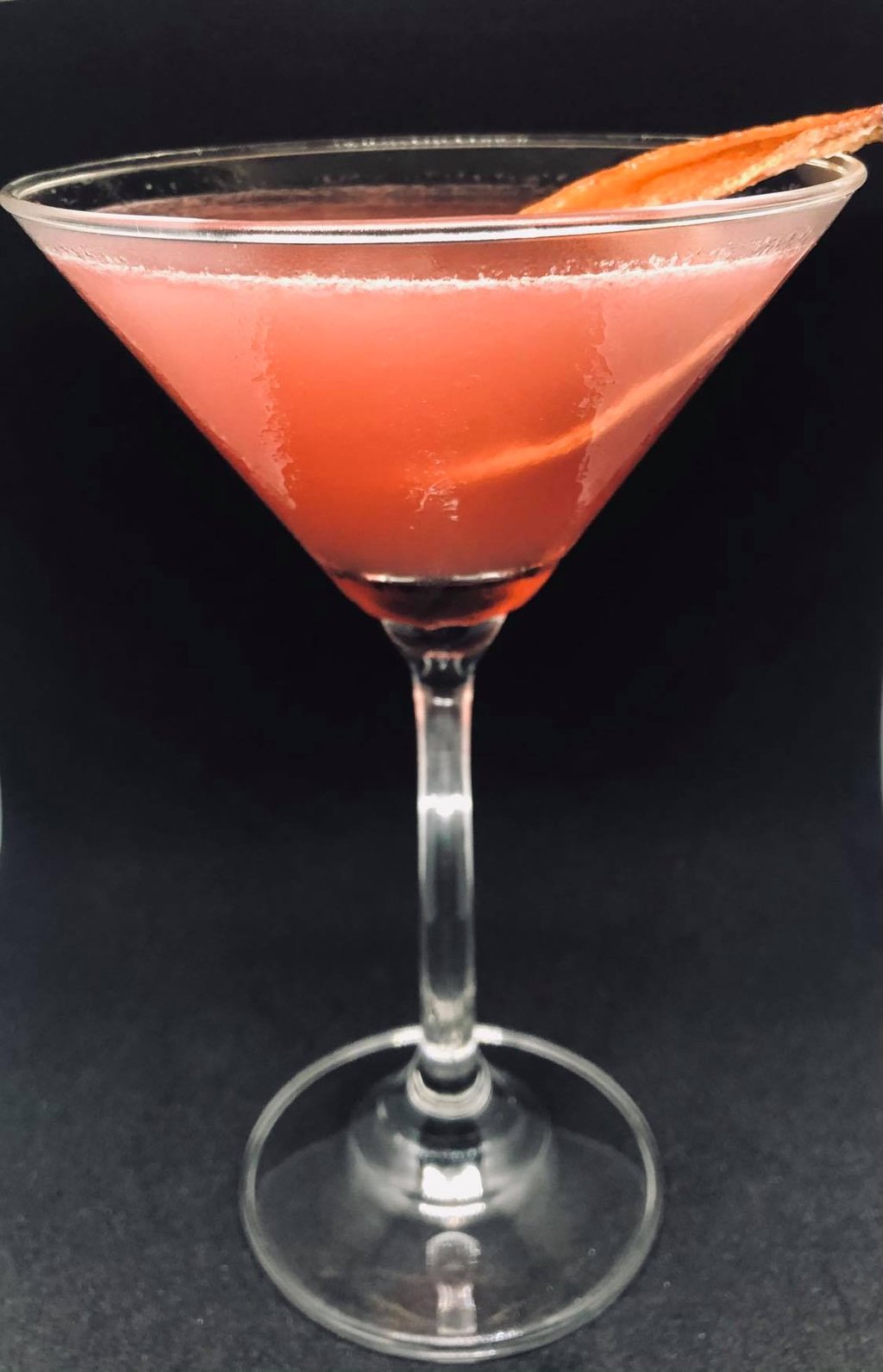
Cosmopolitan
The International Bartenders Association recipe is based on vodka citron, lemon-flavored vodka. The cosmopolitan is a relative of cranberry coolers like the Cape Codder. Though often presented far differently, the cosmopolitan also bears a likeness in composition to the kamikaze cocktail. The cosmopolitan cocktail gained popularity quickly. It traveled from Provincetown, through New York, Cleveland, and Cincinnati, and on to San Francisco (Caine]). It could also possibly have been from Miami to San Francisco, and on to New York (Cook[).The cosmopolitan gained popularity in the 1990s. It was further popularized among young women by its frequent mention on the television program Sex and the City, where Sarah Jessica Parker's character, Carrie Bradshaw, commonly ordered the drink when out with her girlfriends. The film adaptation made a reference to its popularity when Miranda asks why they stopped drinking them, Carrie replies "because everyone else started."
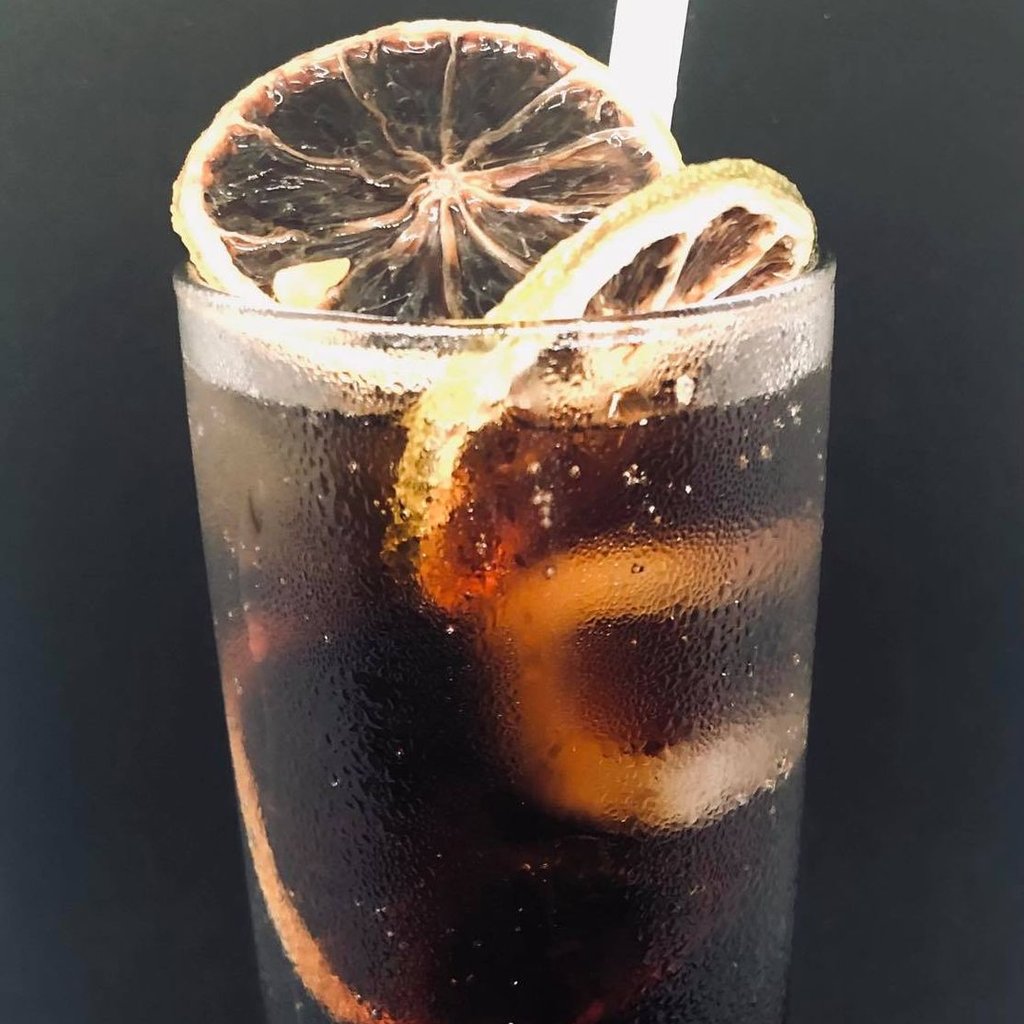
Cuba Libre
The drink was created in Cuba in the early 1900s, but its exact origins are not certain. It became popular shortly after 1900, when bottled Coca-Cola was first imported into Cuba from the United States. Its origin is associated with the heavy U.S. presence in Cuba following the Spanish–American War of 1898; the drink's traditional name, "Cuba libre" (Free Cuba), was the slogan of the Cuban independence movement. The Cuba libre is sometimes said to have been created during the Spanish–American War.
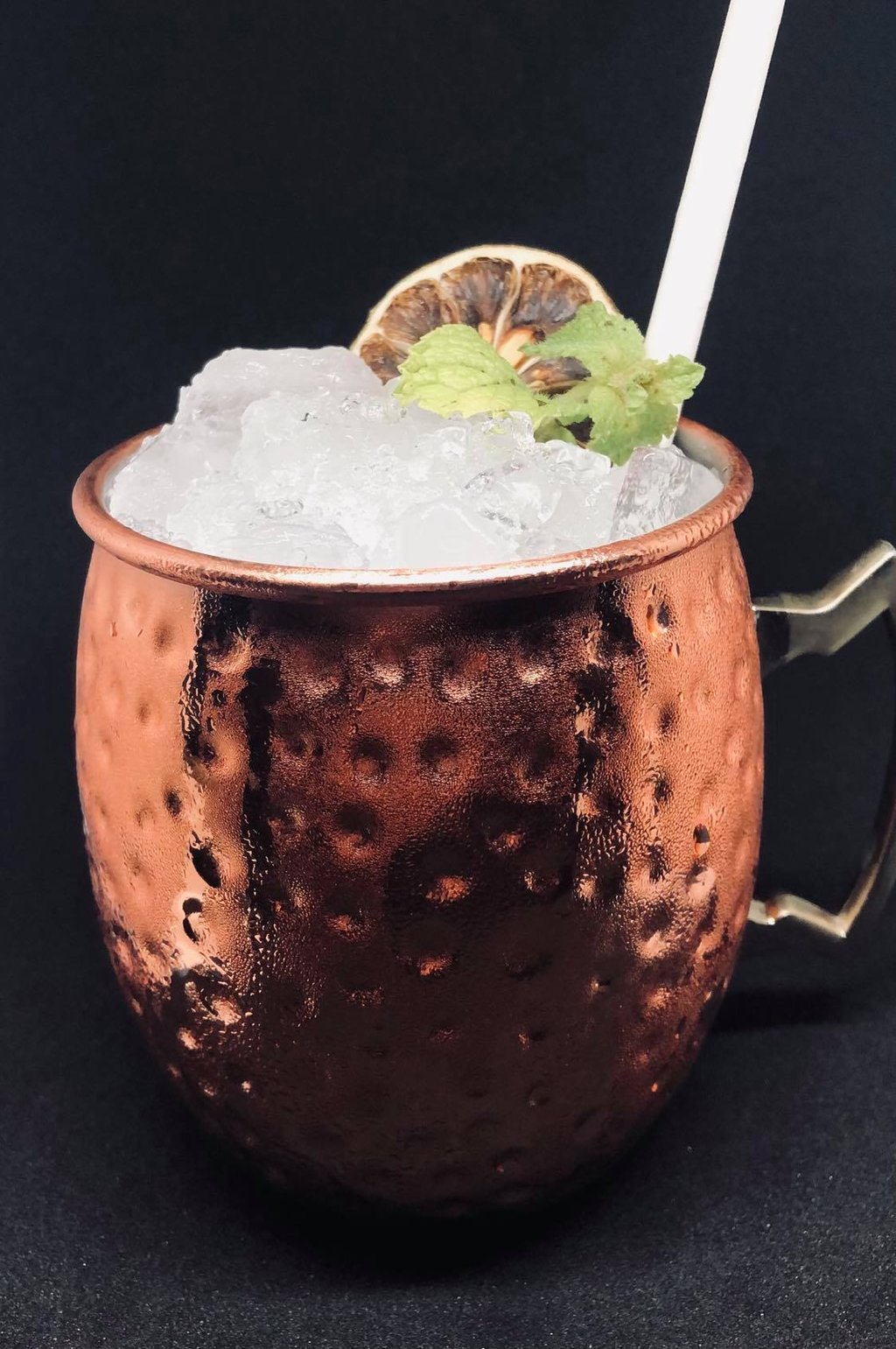
Dark n Stormy
A Dark ’n’ Stormy is a cocktail made with dark rum (the "dark") and ginger beer (the "stormy") served over ice and garnished with a slice of lime. Lime juice and simple syrup are also frequently added. This drink is very similar to the Moscow mule except that the Dark 'n' Stormy has dark rum instead of vodka. The original Dark 'n' Stormy was made with Gosling Black Seal Rum and Barritt's Ginger Beer, but after the partnership between the two failed and the companies parted ways, Goslings created their own ginger beer.Gosling Brothers claim that the drink was invented in Bermuda just after World War 1.
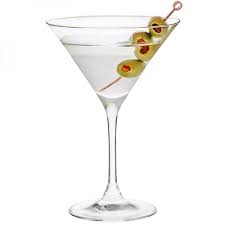
Dirty Martini Vodka
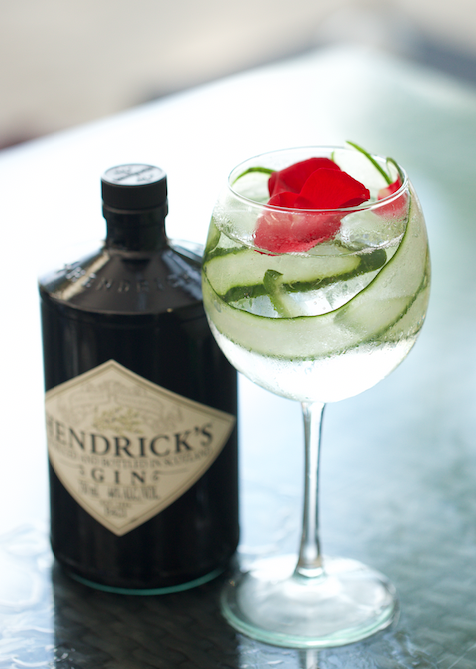
Hendricks Tonic
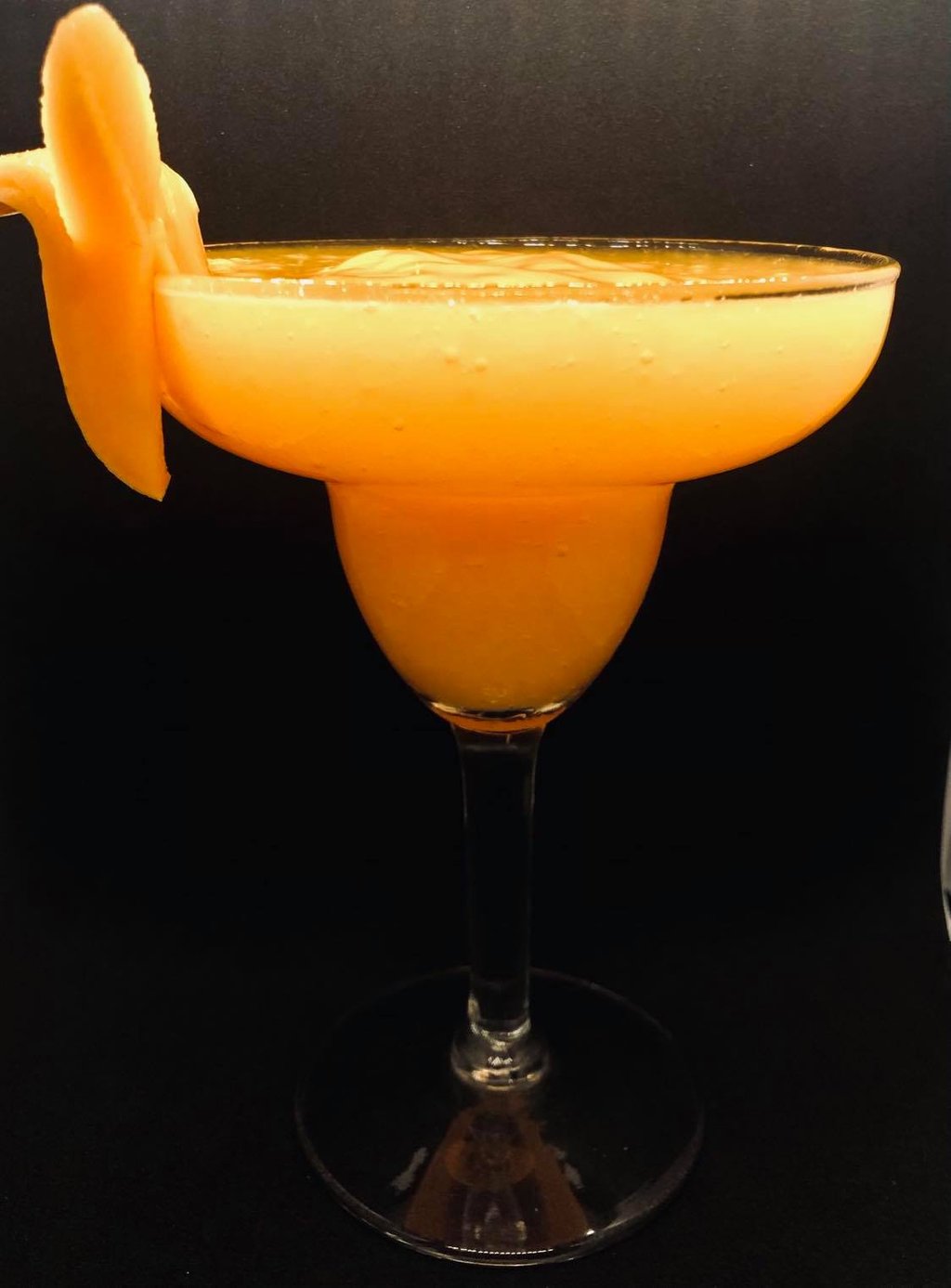
Mango Daiquiri
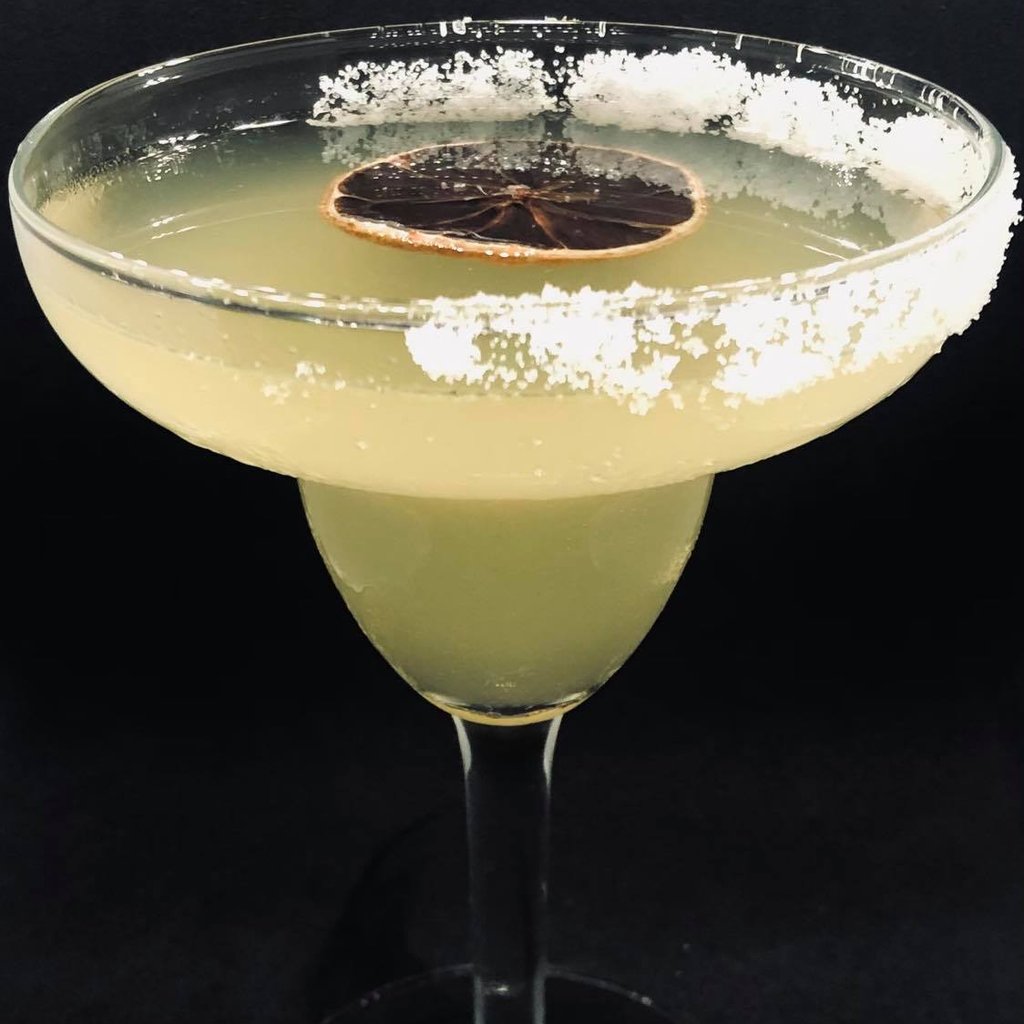
Margarita
According to cocktail historian David Wondrich, the margarita is related to a popular Mexican drink, the Daisy (margarita is Spanish for "daisy"), remade with tequila instead of brandy. (Daisies are a family of cocktails that include a base spirit, liqueur, and citrus. A sidecar and gin daisy are other related drinks.) It became popular during Prohibition as U.S. residents traveled to Mexico for alcohol. There is an account from 1936 of Iowa newspaper editor James Graham finding such a cocktail in Tijuana, years before any of the other Margarita "creation myths"
Dirty Martini Gin
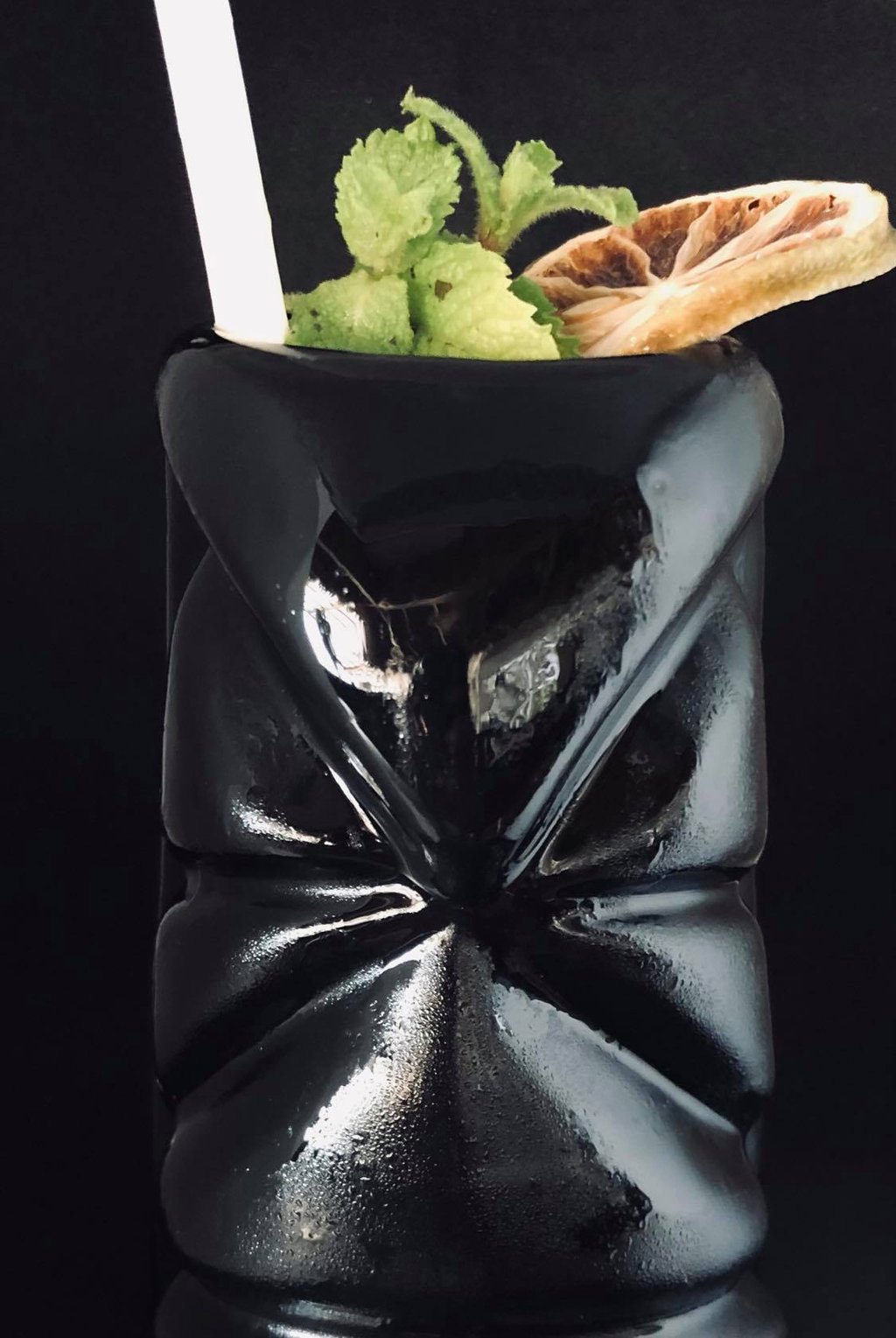
Mojito
Havana, Cuba, is the birthplace of the mojito, although its exact origin is the subject of debate. It was known that the local South American Indians had remedies for various tropical illnesses, so a small boarding party went ashore on Cuba and came back with ingredients for an effective medicine. The ingredients were aguardiente de caña (translated as "burning water", a crude form of rum made from sugar cane) mixed with local tropical ingredients: lime, sugarcane juice, and mint. Lime juice on its own would have significantly prevented scurvy and dysentery, and tafia/rum was soon added as it became widely available to the British (ca. 1650).
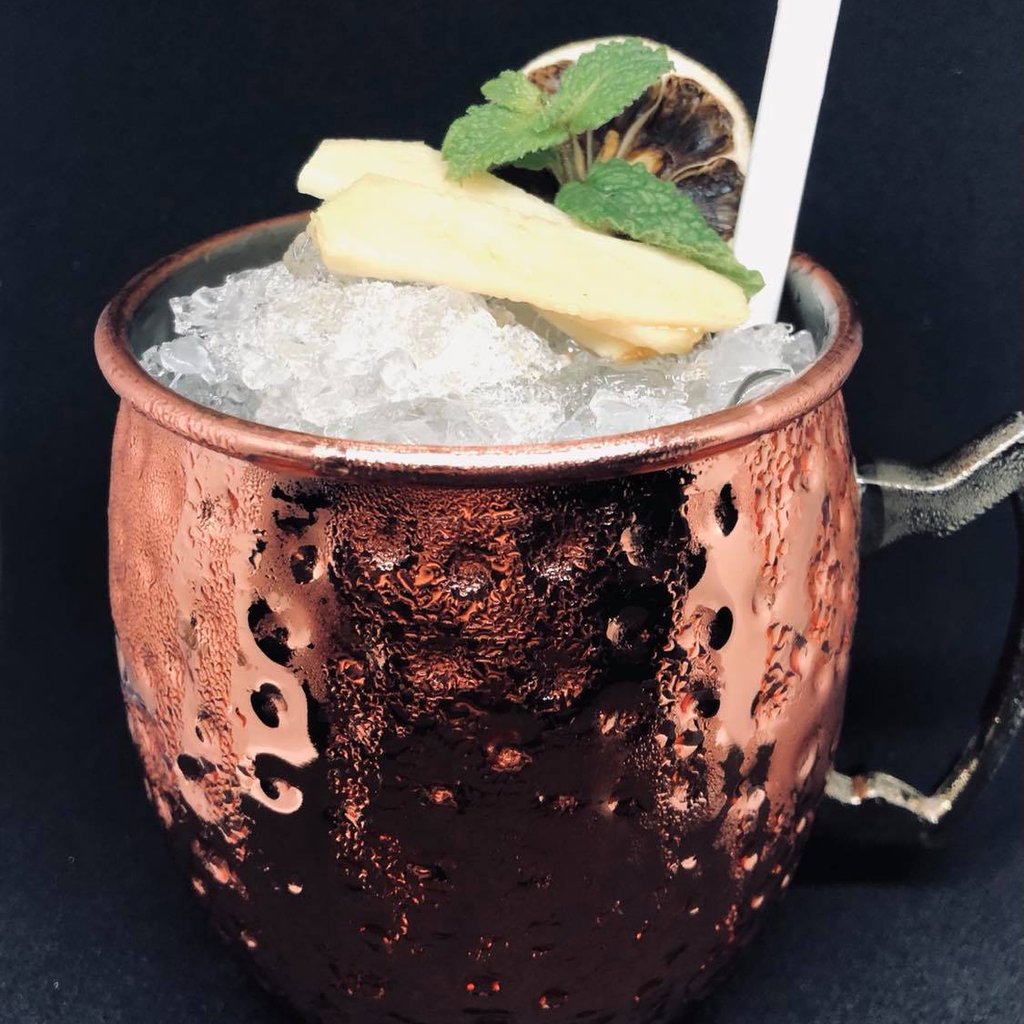
Moscow Mule
The mule was born in Manhattan but "stalled" on the West Coast for the duration. The birthplace of "Little Moscow" was in New York's Chatham Hotel. That was back in 1941 when the first carload of Jack Morgan's Cock 'n' Bull ginger beer was railing over the plains to give New Yorkers a happy surprise… The Violette Family helped. Three friends were in the Chatham bar, one John A. Morgan, known as Jack, president of Cock 'n' Bull Products and owner of the Hollywood Cock 'n' Bull Restaurant; one was John G. Martin, president of G.F. Heublein Brothers Inc. of Hartford, Conn., and the third was Rudolph Kunett, president of the Pierre Smirnoff, Heublein's vodka division. As Jack Morgan tells it, "We three were quaffing a slug, nibbling an hors d'oeuvre and shoving toward inventive genius". Martin and Kunett had their minds on their vodka and wondered what would happen if a two-ounce shot joined with Morgan's ginger beer and the squeeze of lemon. Ice was ordered, lemons procured, mugs ushered in and the concoction put together. Cups were raised, the men counted five, and down went the first taste. It was good. It lifted the spirit to adventure. Four or five days later the mixture was christened the Moscow mule.
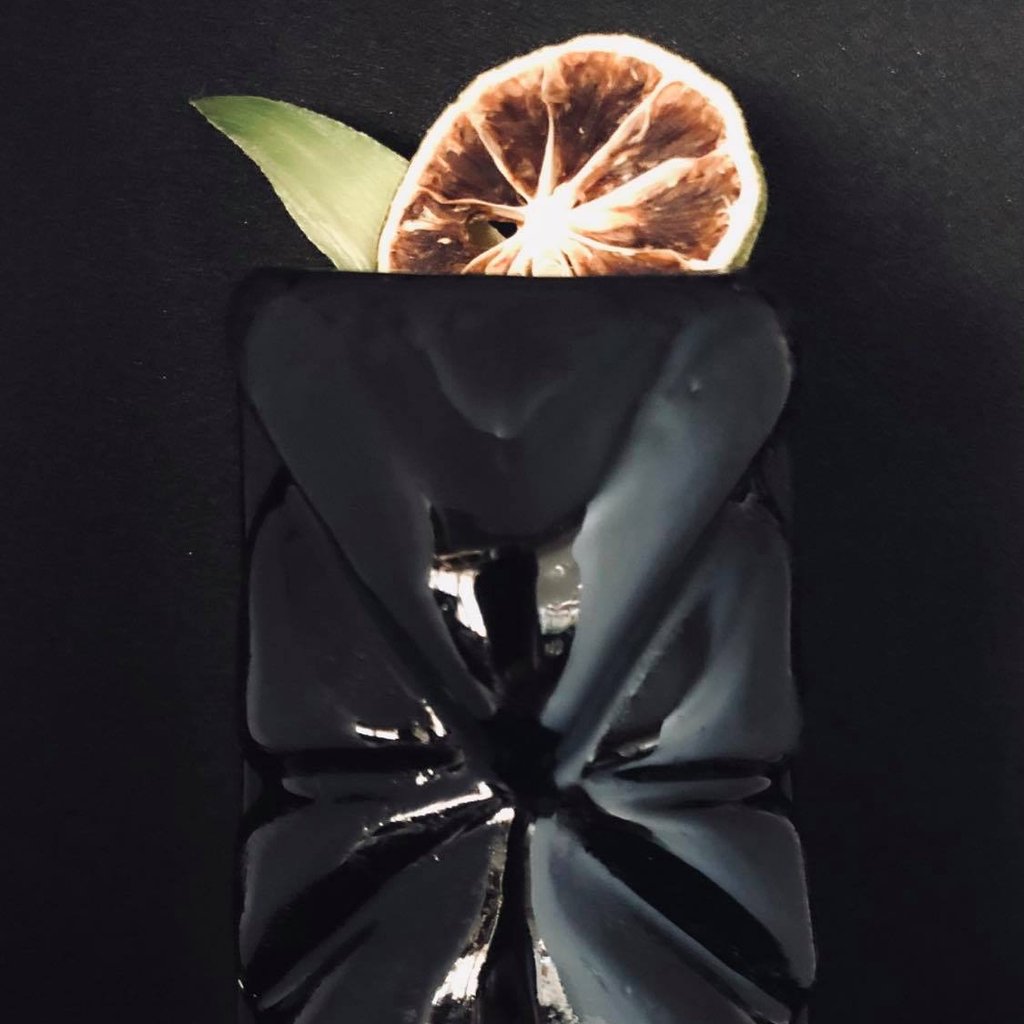
Pinacolada
The earliest known story states that in the 19th century, Puerto Rican pirate Roberto Cofresí, to boost his crew's morale, gave them a beverage or cocktail that contained coconut, pineapple and white rum. This was what would be later known as the famous piña colada. With his death in 1825, the recipe for the piña colada was lost. Historian Haydée Reichard disputes this version of the story.
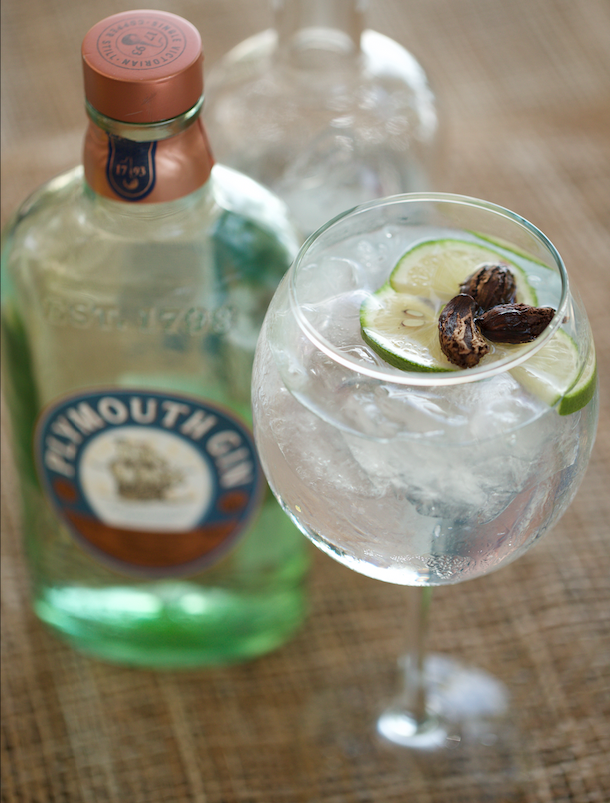
Plymouth Tonic
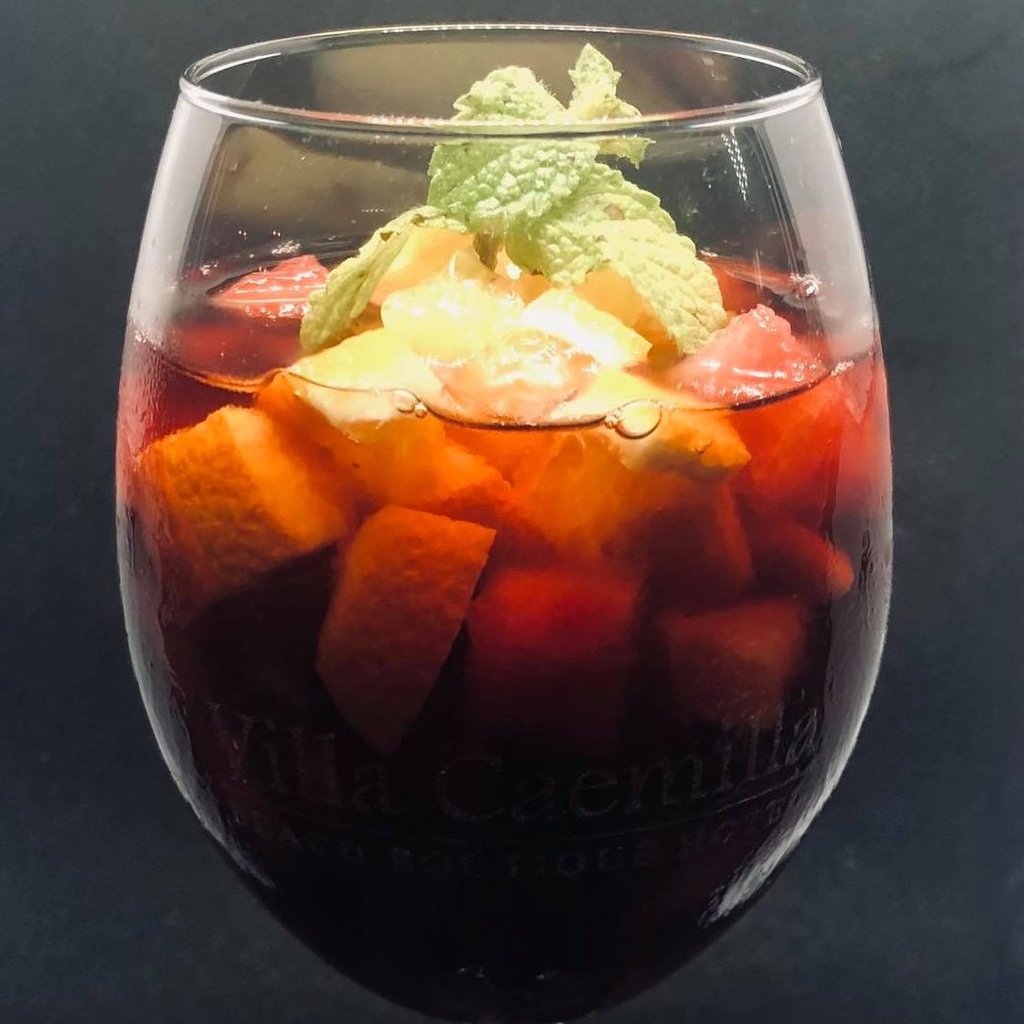
Sangria
Sangria means bloodletting in Spanish and Portuguese. The term sangria used for the drink can be traced back to the 18th century. According to the SAGE Encyclopedia of Alcohol, sangria's origins "cannot be pinpointed exactly, but early versions were popular in Spain, Greece, and England." Sangaree, a predecessor drink to sangria that was served either hot or cold, likely originated in the Caribbean (West Indies), and from there was introduced to mainland America, where it was common beginning in the American colonial era but "largely disappeared in the United States" by the early twentieth century.[ Sangria as an iced drink was reintroduced to the U.S. by the late 1940s through Hispanic Americans and Spanish restaurants, and enjoyed greater popularity with the 1964 World's Fair in New York
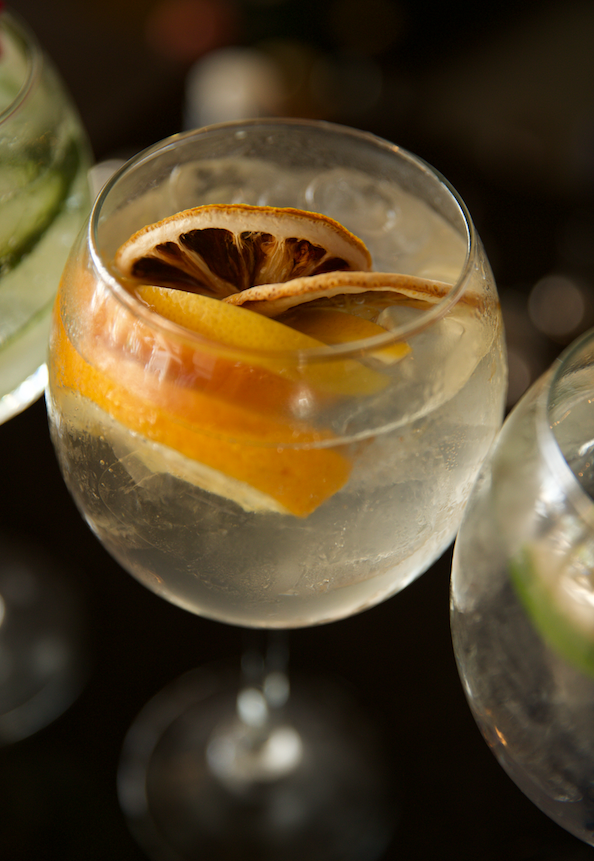
Sipsmith Tonic
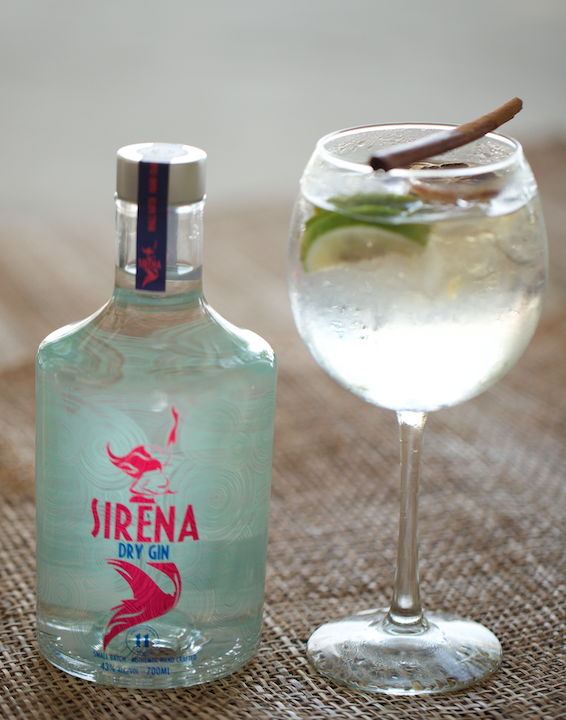
Sirena Tonic
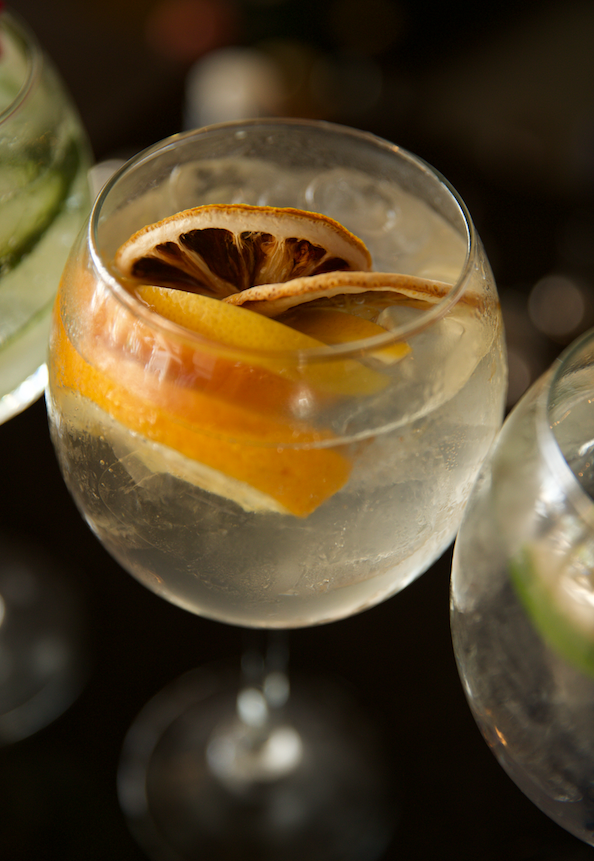
Tanqueray Tonic
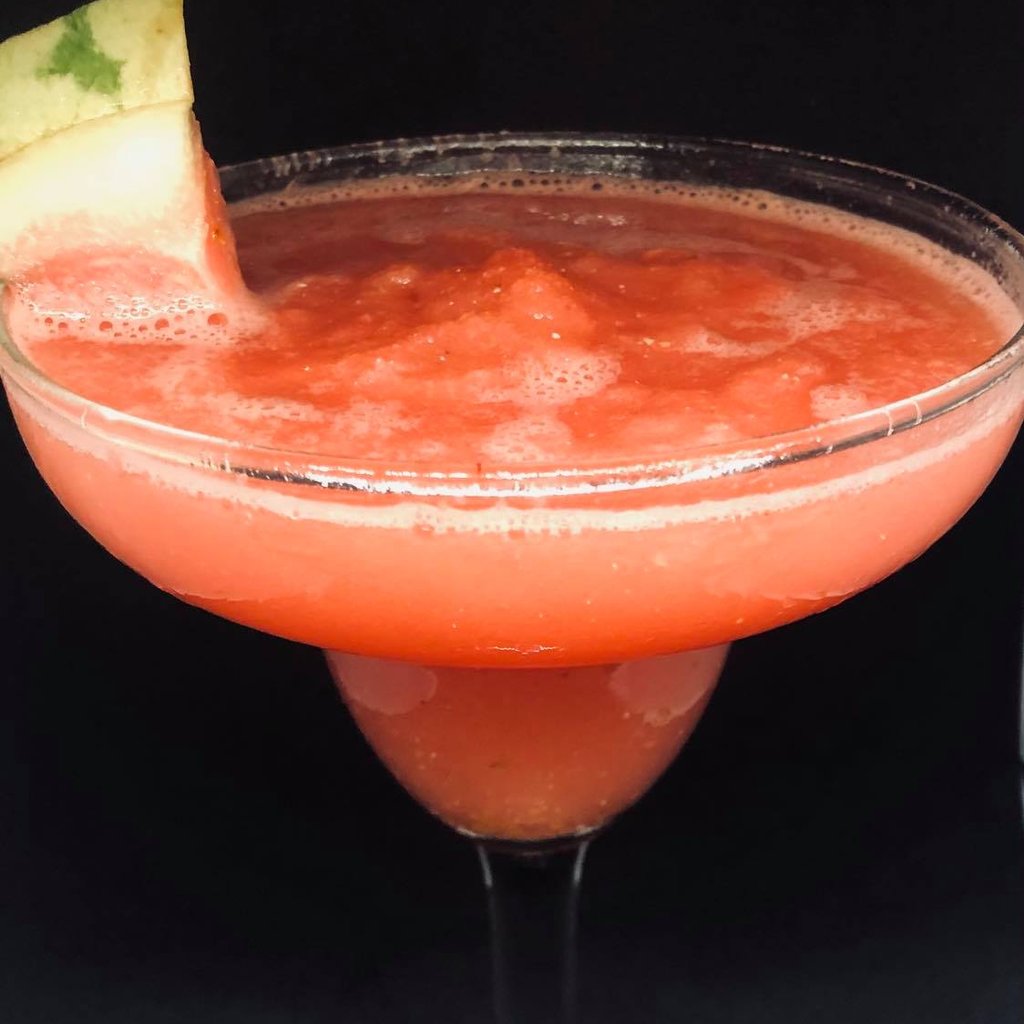
Watermelon Daiquiri
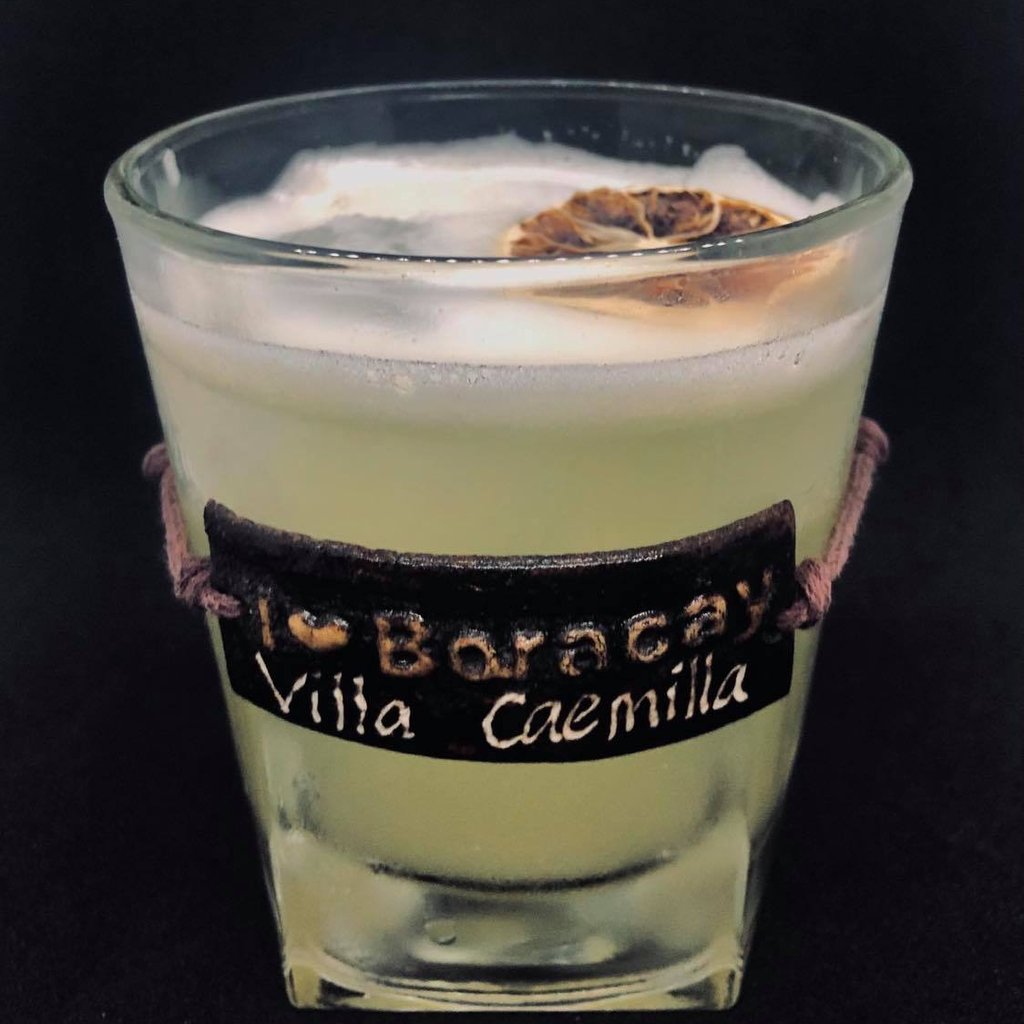
Whiskey Sour
The whiskey sour is a mixed drink containing whiskey (often bourbon), lemon juice, sugar, and optionally, a dash of egg white or cocktails foamer. With the egg white, it is sometimes called a Boston Sour with a few bar spoons of full-bodied red wine floated on top, it is often referred to as a New York Sour. It is shaken and served either straight up or over ice. The oldest historical mention of a whiskey sour was published in the Wisconsin newspaper, Waukesha Plain Dealer, in 1870. In 1962, the Universidad del Cuyo published a story, citing the Peruvian newspaper El Comercio de Iquique, which indicated that Elliott Stubb created the "whisky sour" in Iquique in 1872 (El Comercio de Iquique was published by Modesto Molina between 1874 and 1879.)
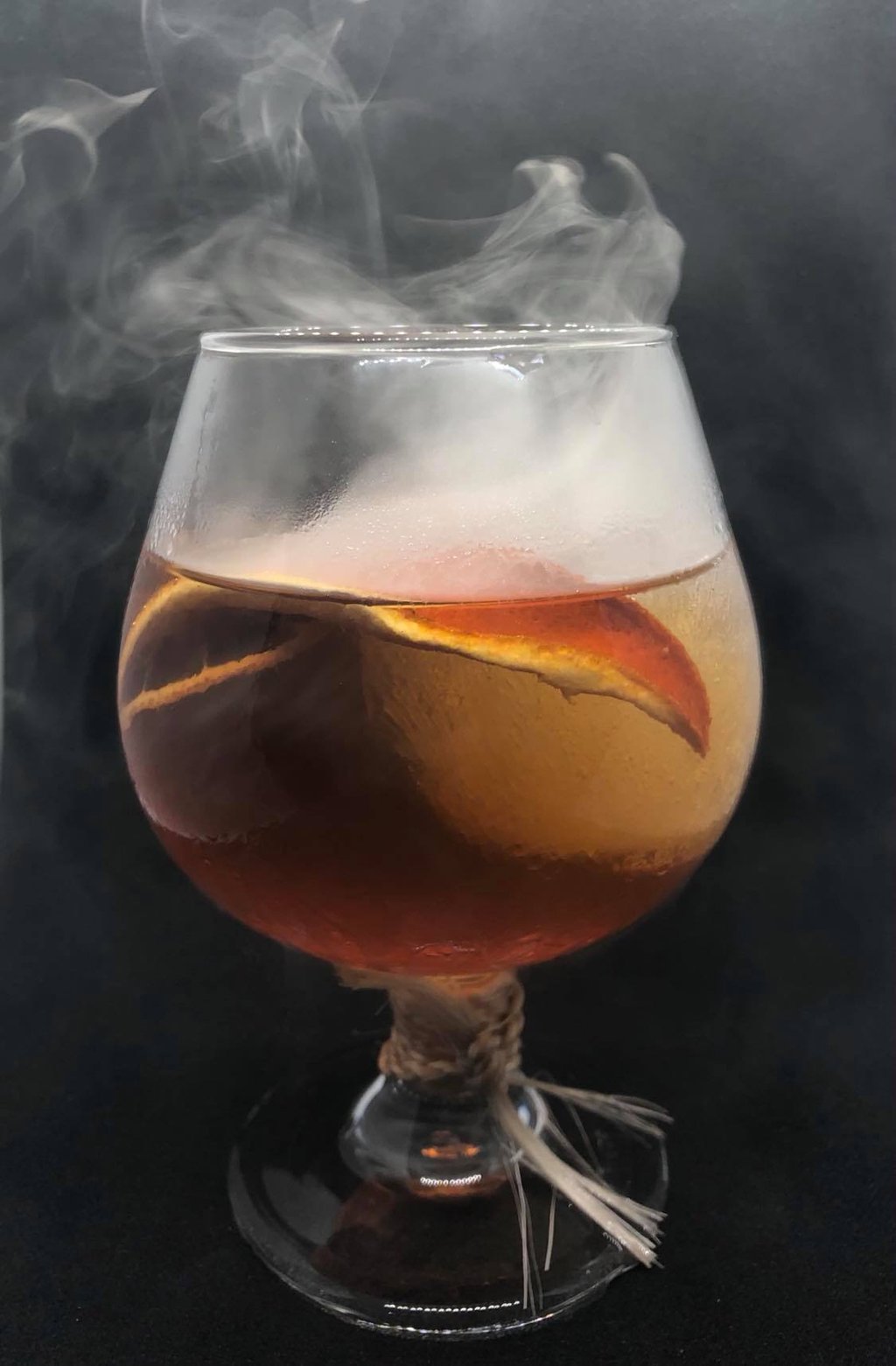
Negroni
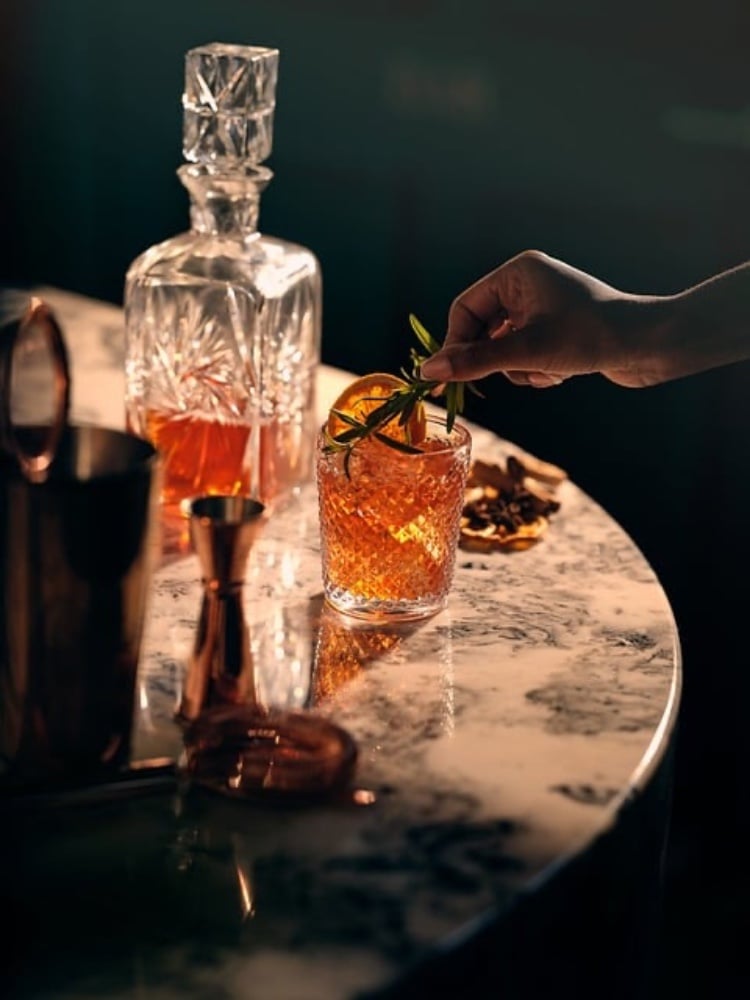
Old Fashioned
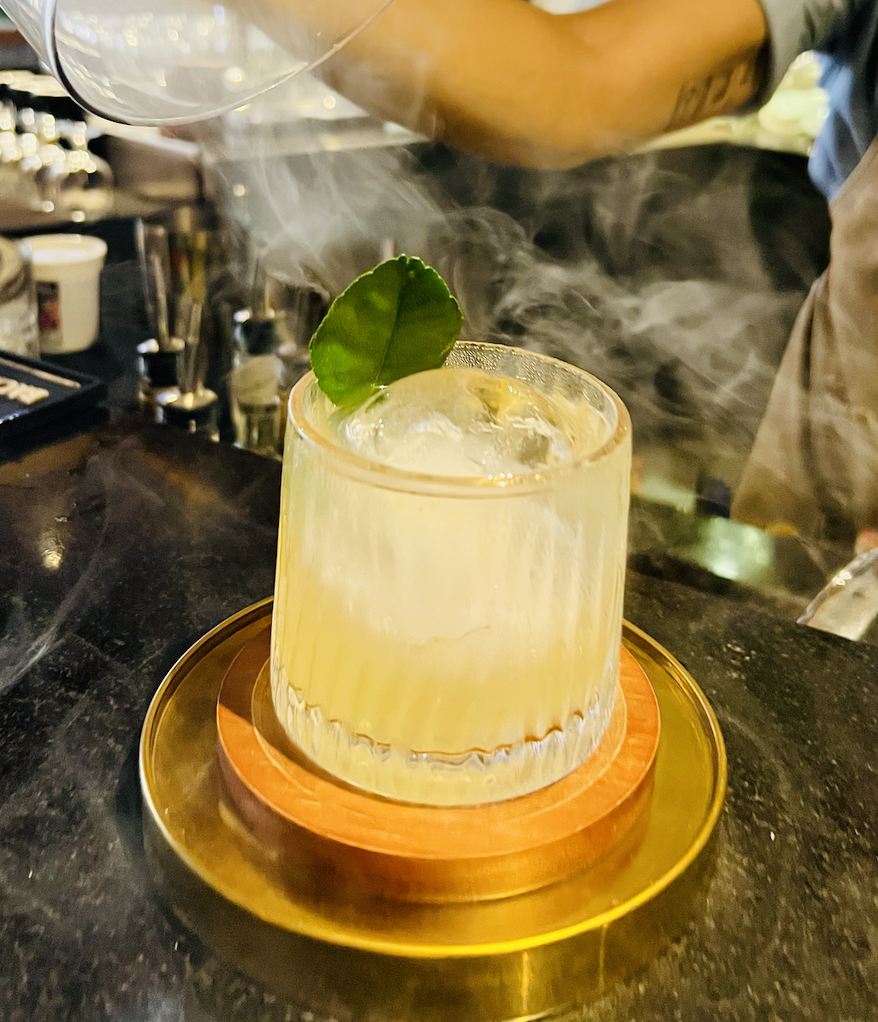
Kaffir
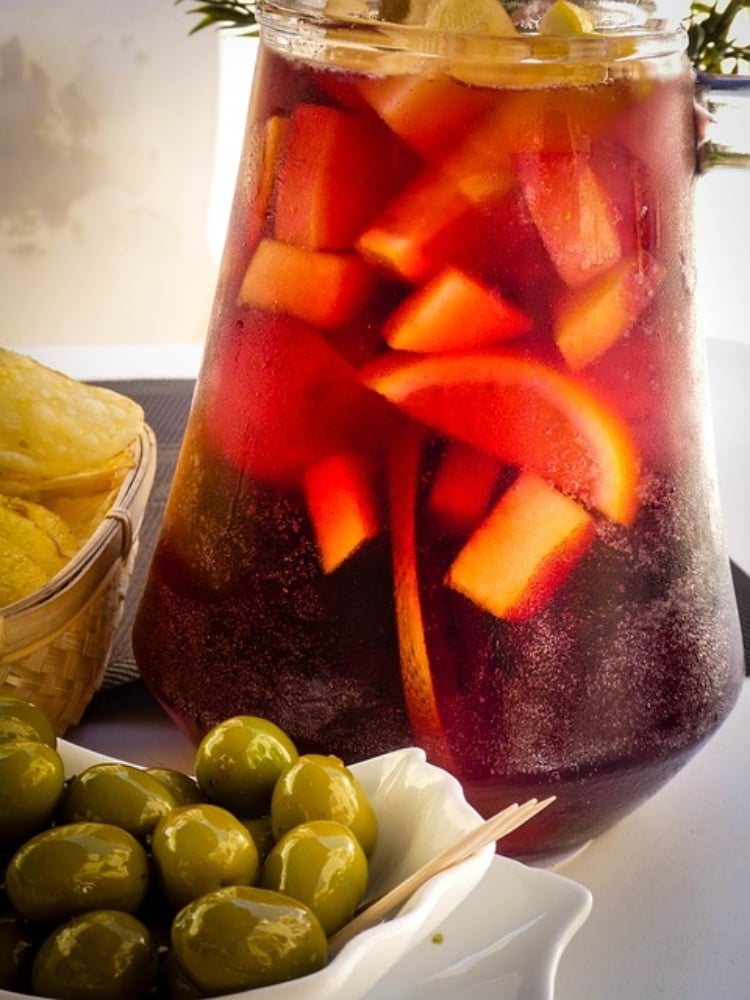
Sangria Carafe
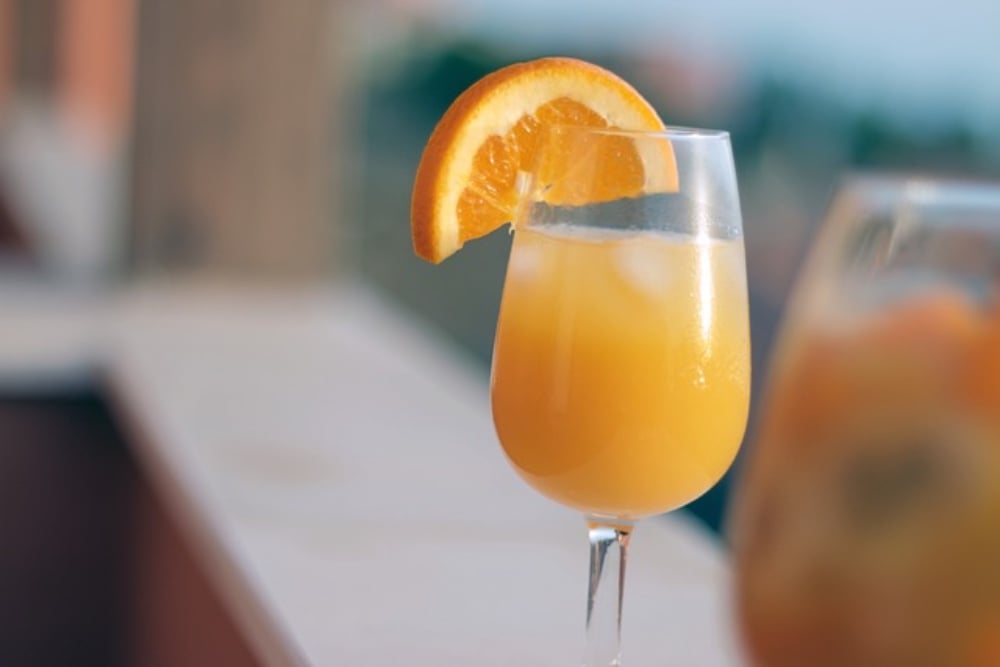
Mimosa
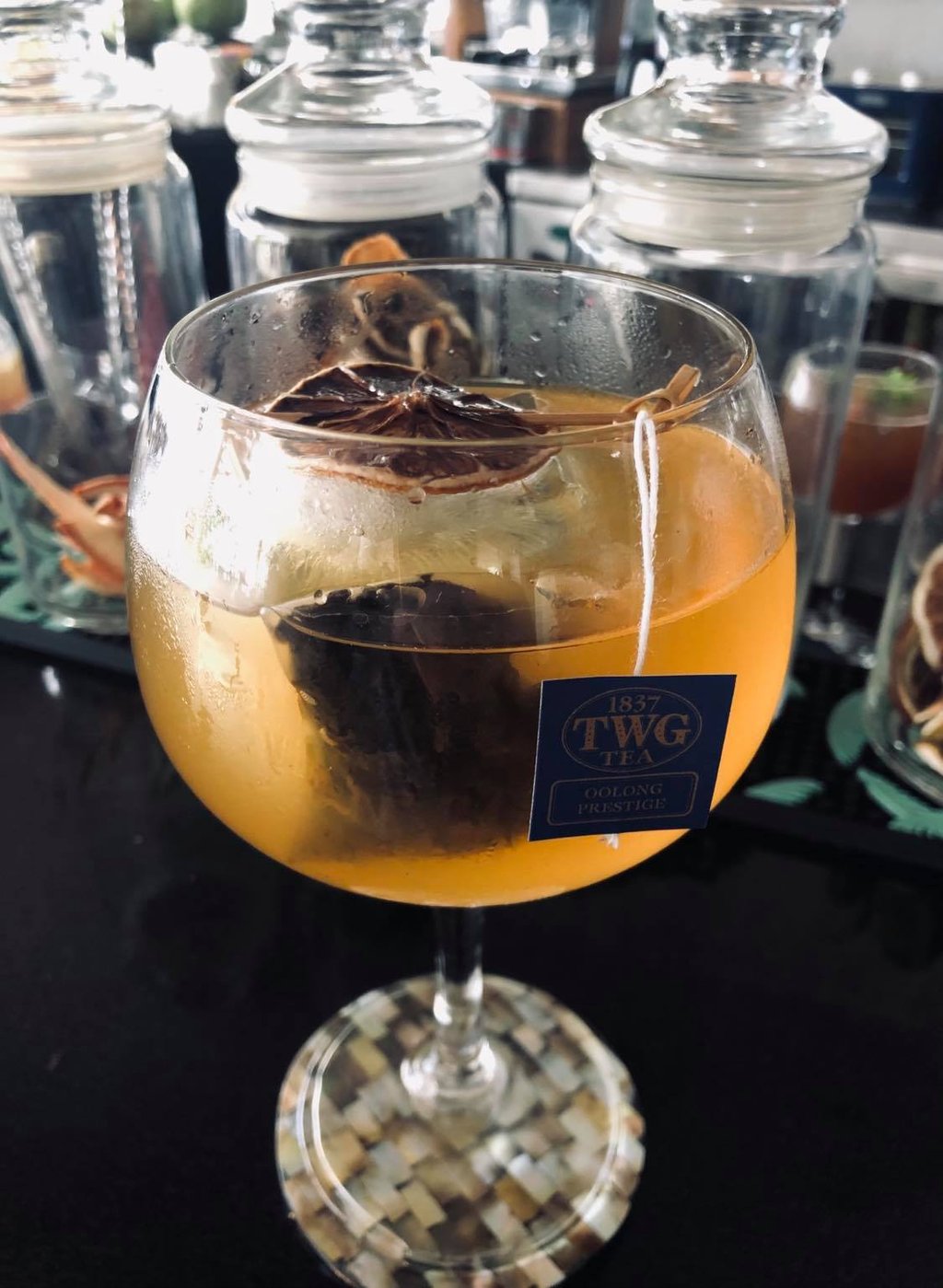
Moroccan Mint (G&T)
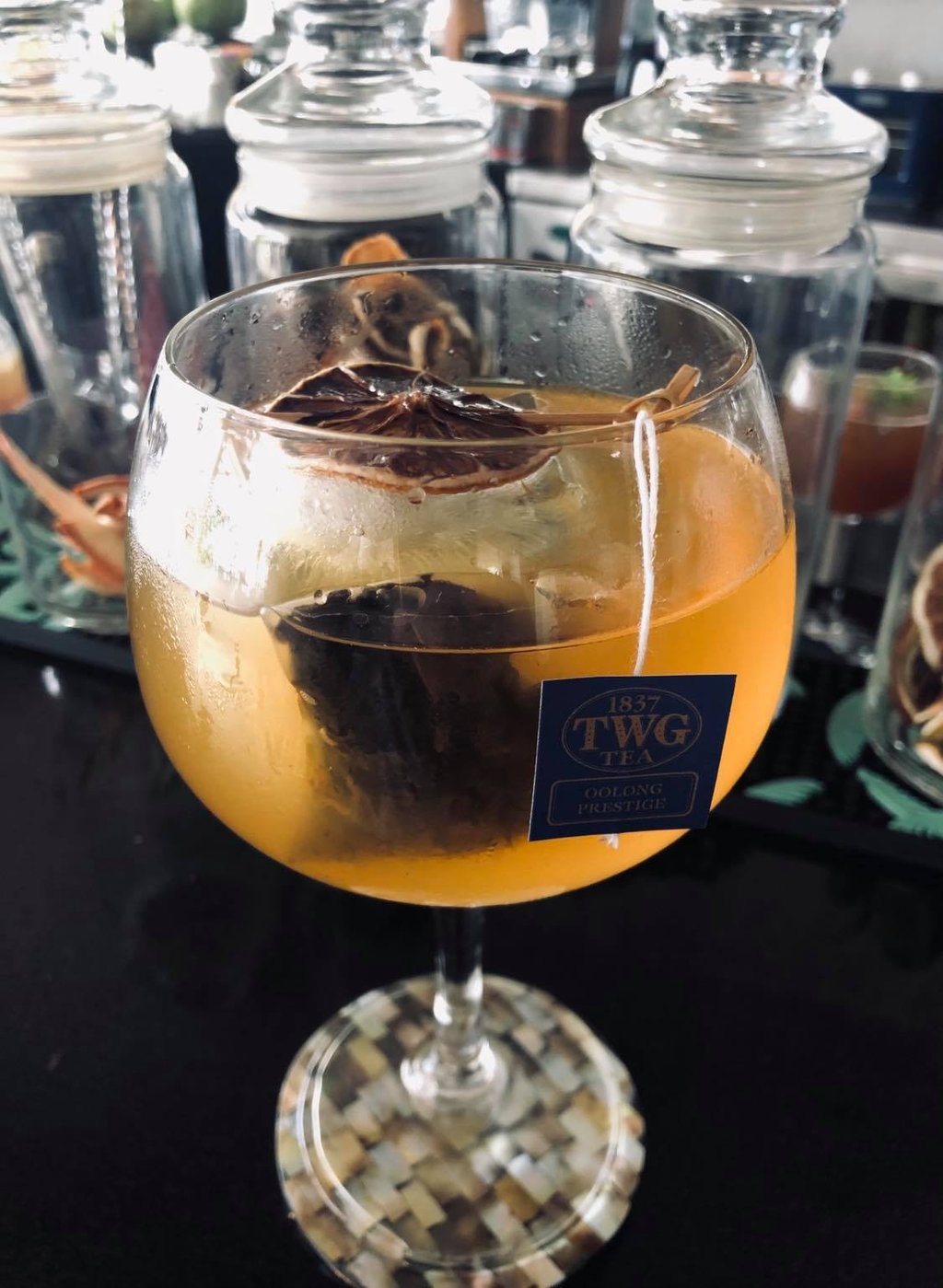
Oolong Blue (G&T)
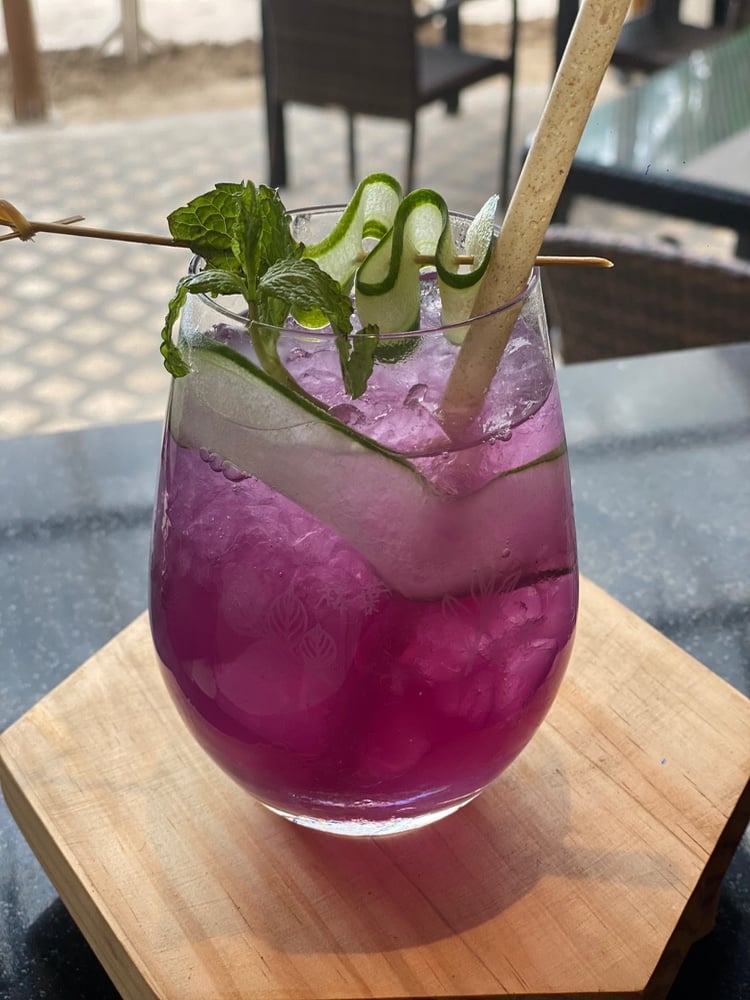
Tropical Illusion
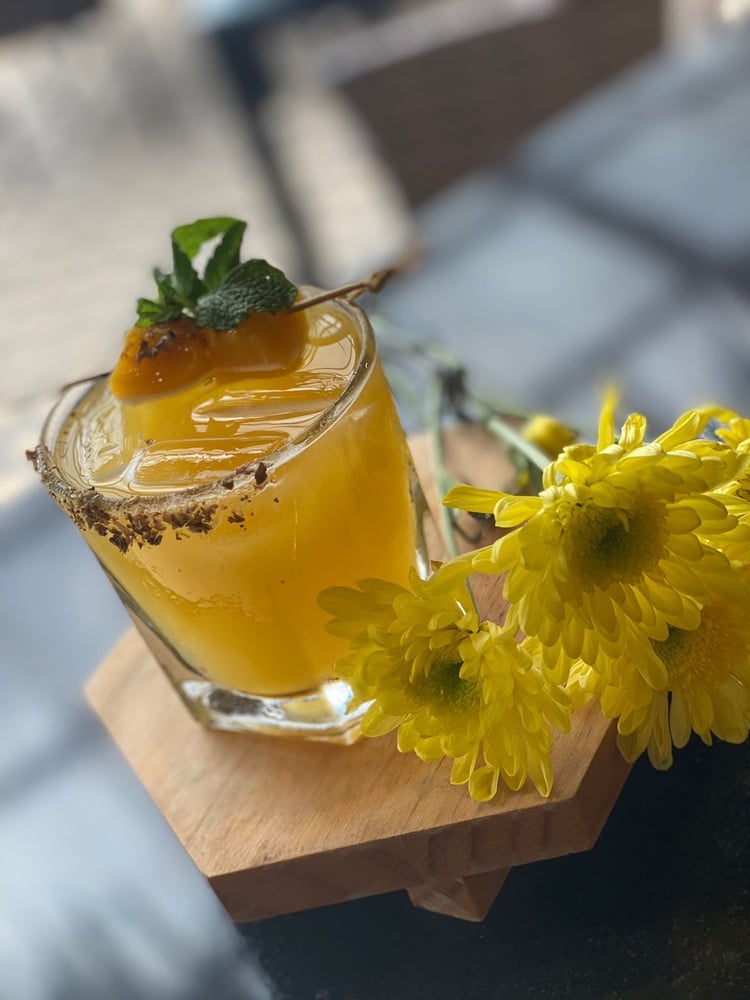
Peach Perfect
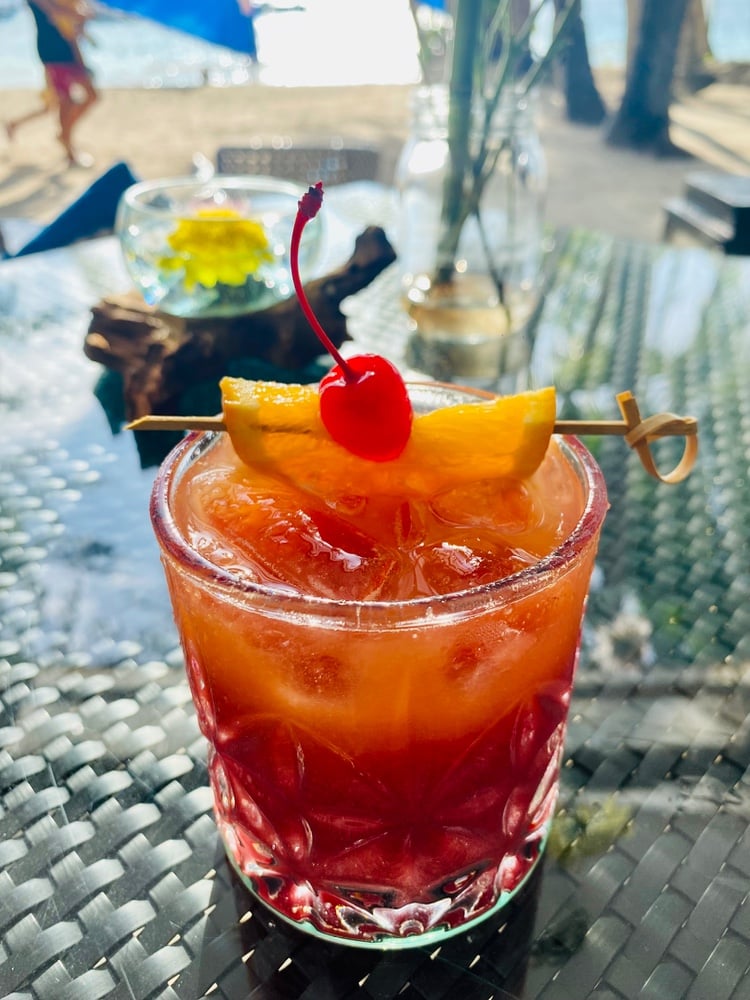
Tango Rum
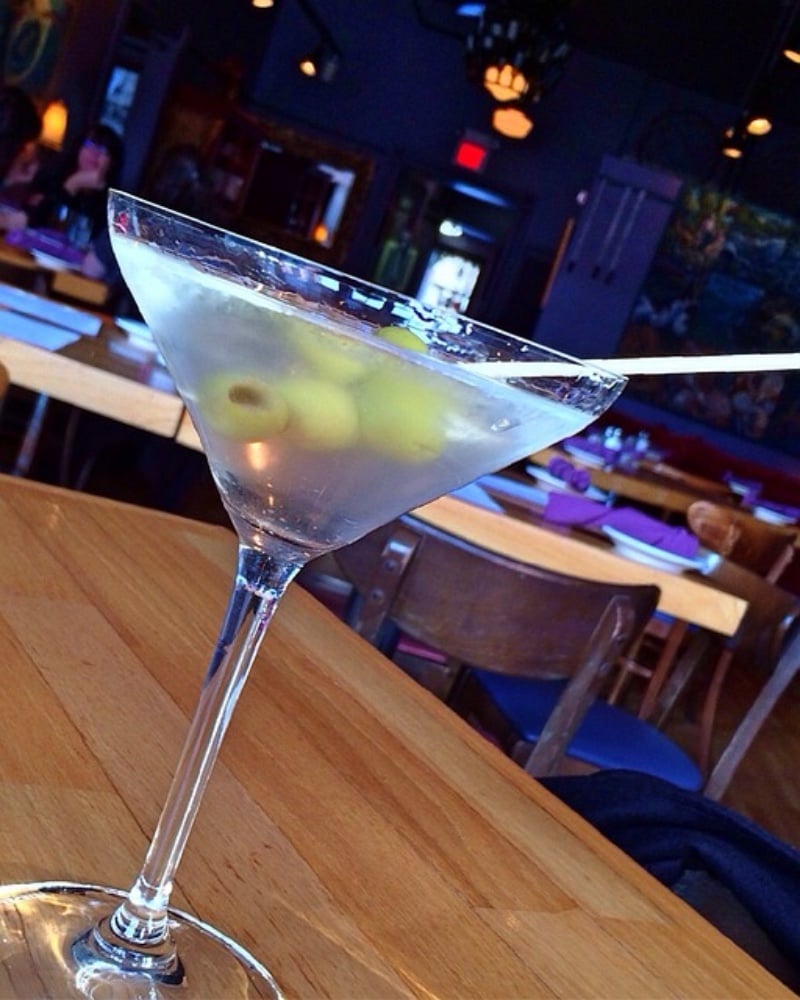
Lychee Martini
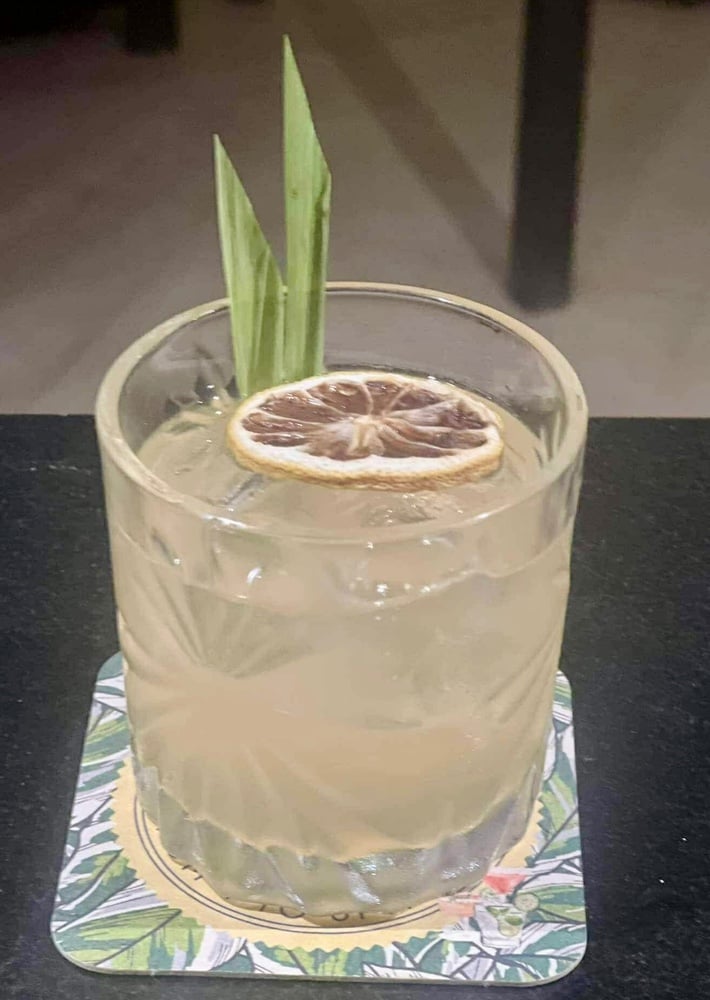
Limoncello Gin
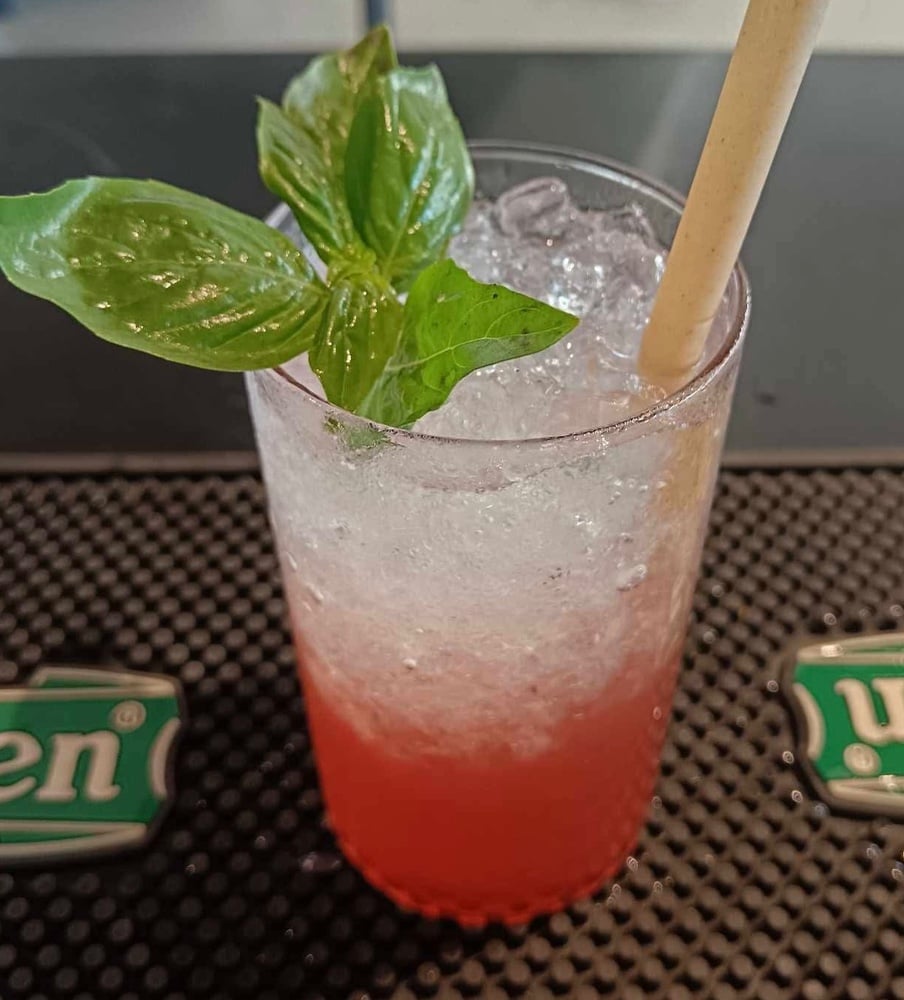
Hibiscus Gimlet
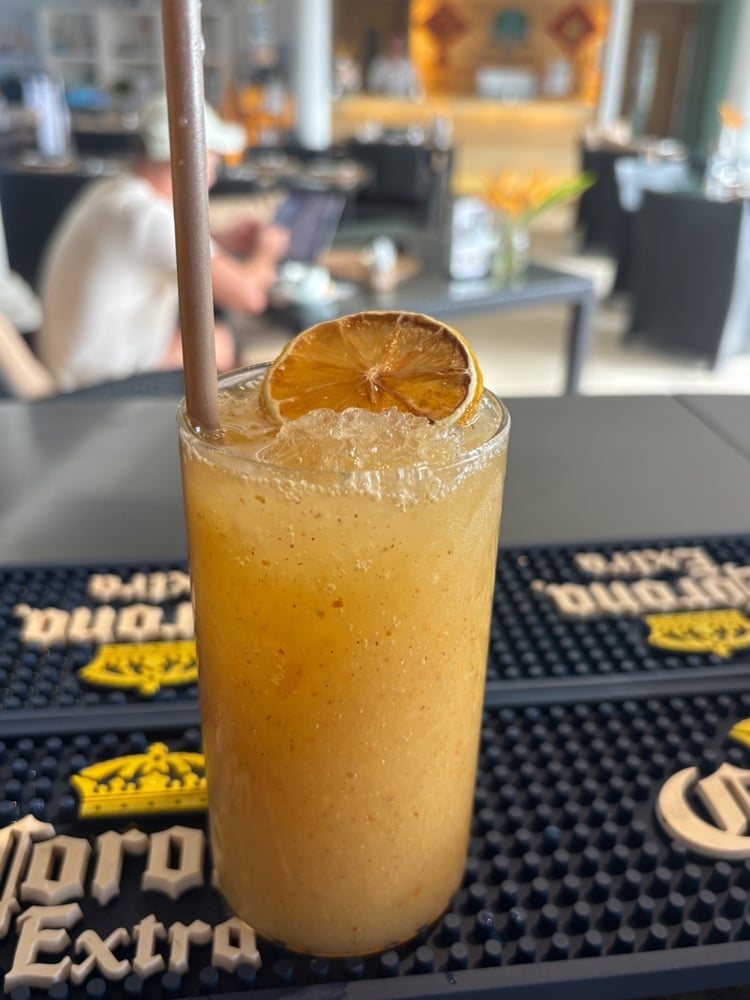
Kiwi Puncher
Pomelo Spritz

Blonde and Lemonade

Blonde & Cola

Blonde & Tonic
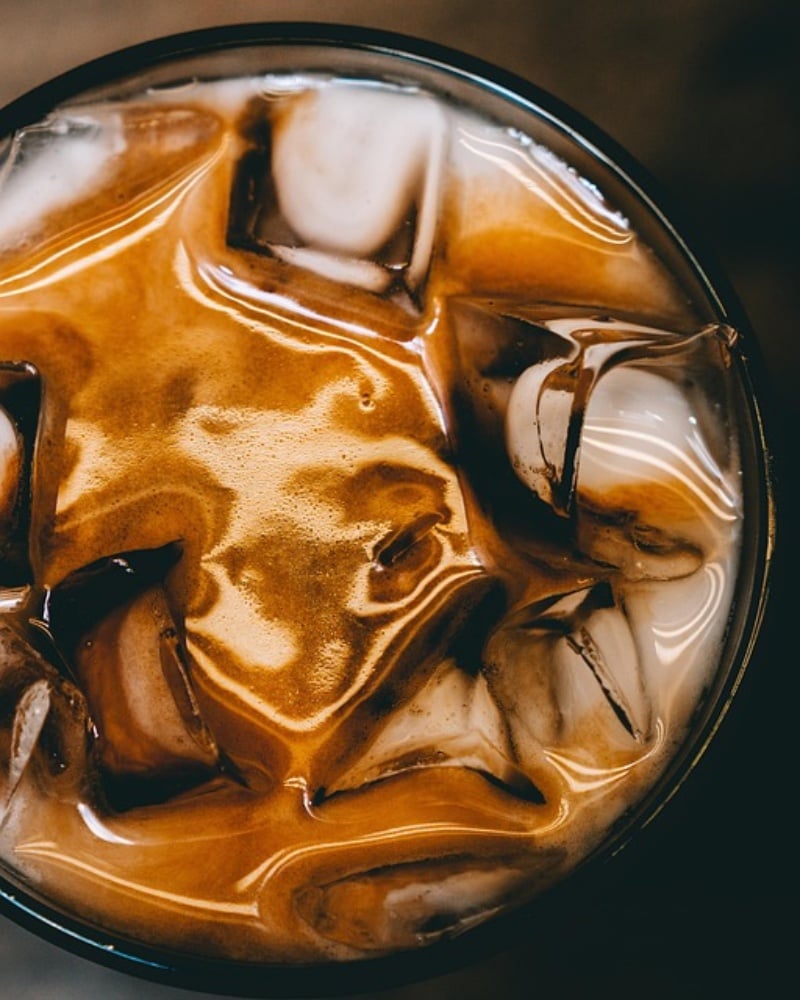
Espresso Martini
Island Espresso Martini
Gin
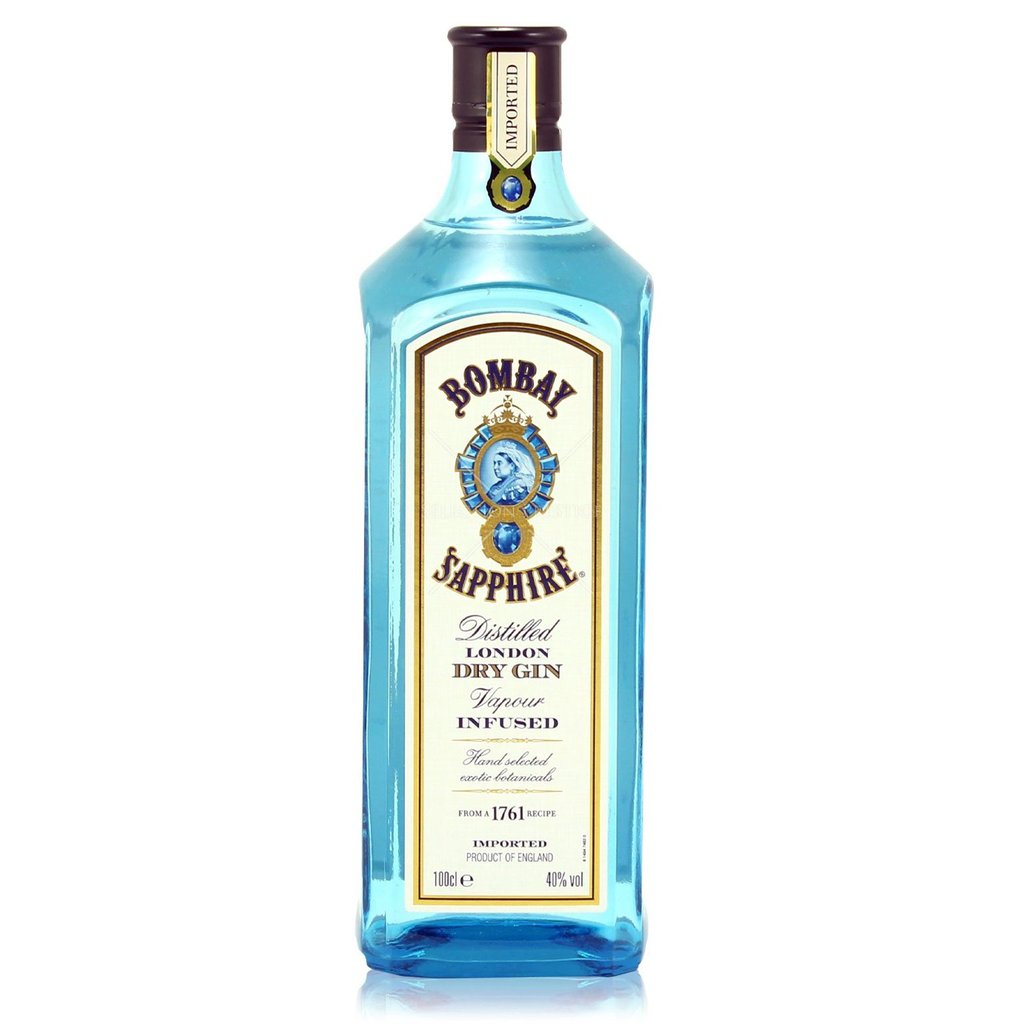
Bombay Sapphire
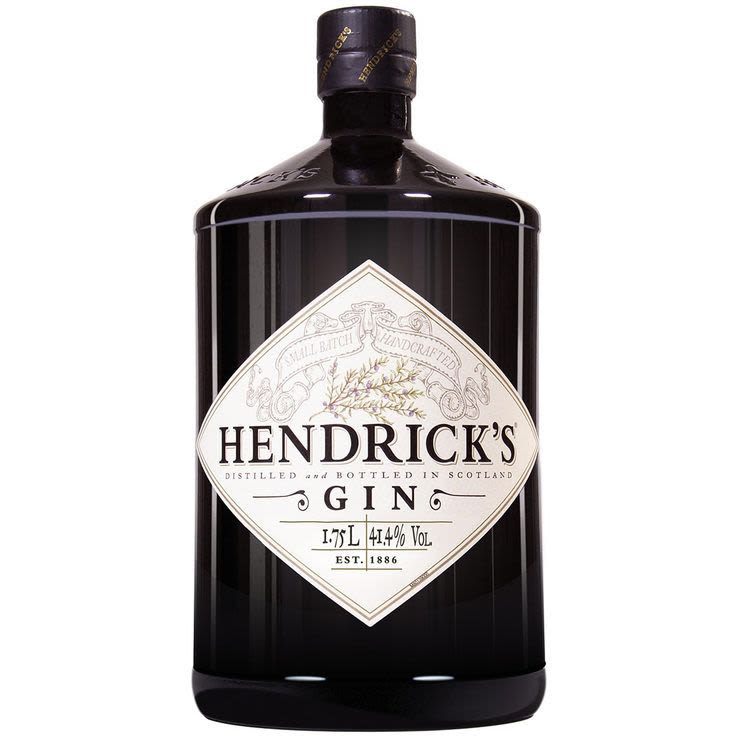
Hendricks
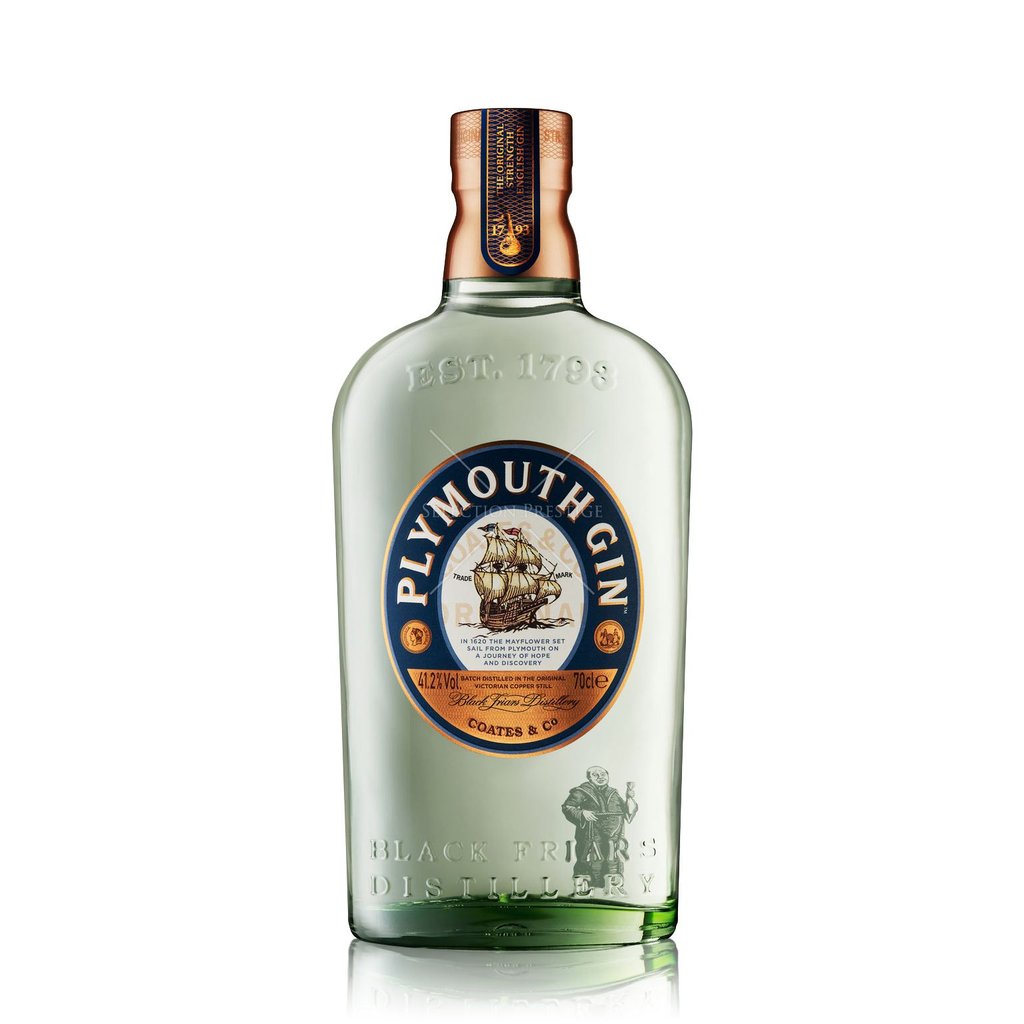
Plymouth
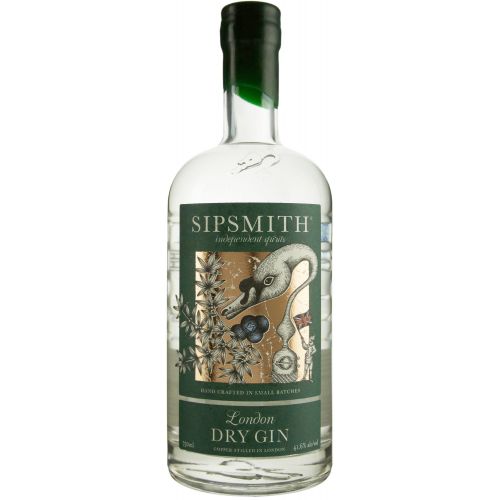
Sipsmith
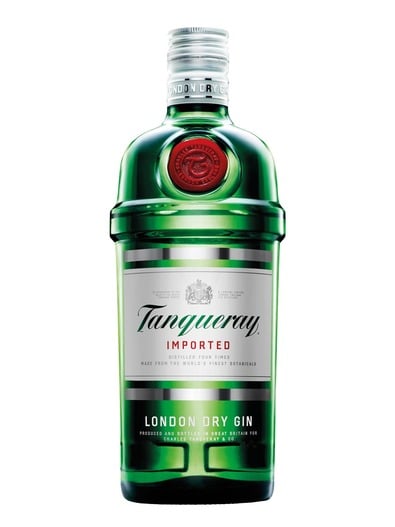
Tanqueray
Vodka
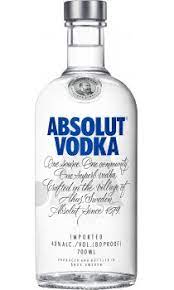
Absolut Blue
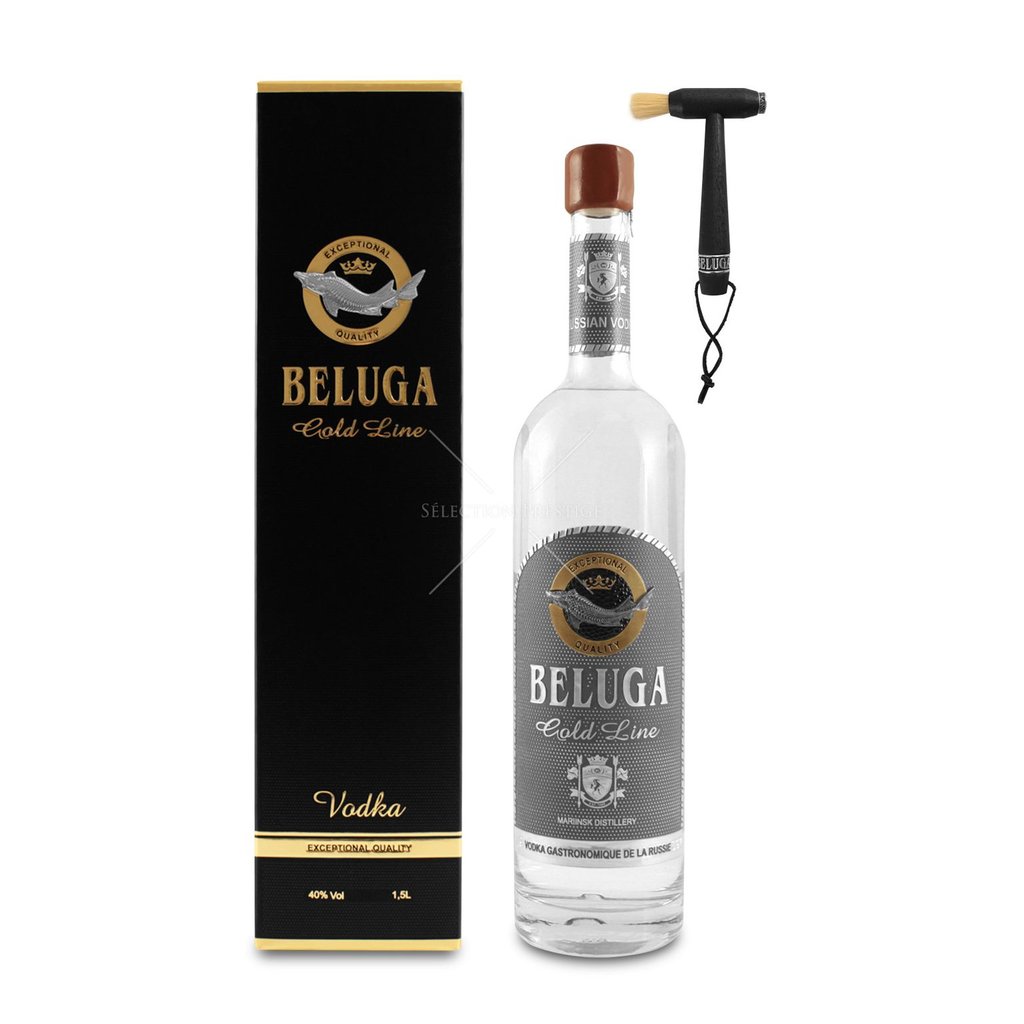
Beluga Gold Line
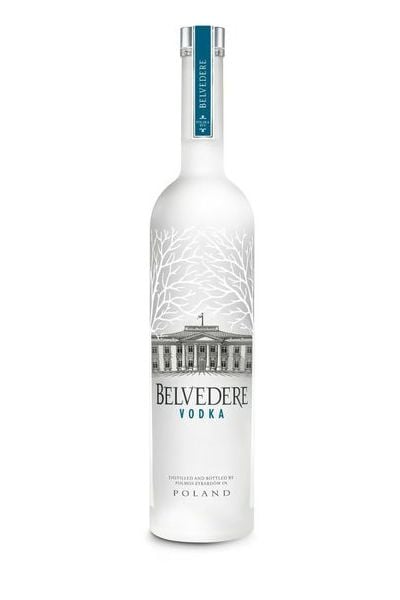
Belvedere
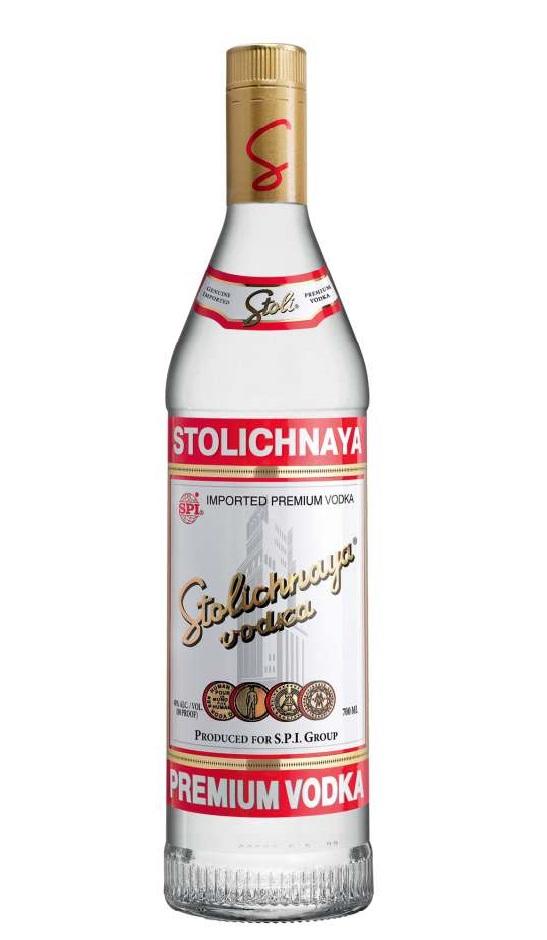
Stolichnaya
Rum
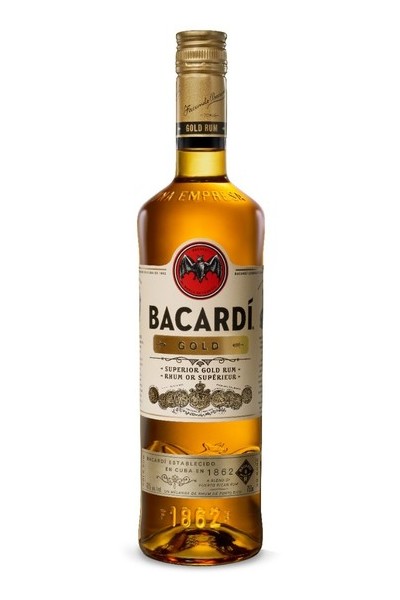
Bacardi Gold
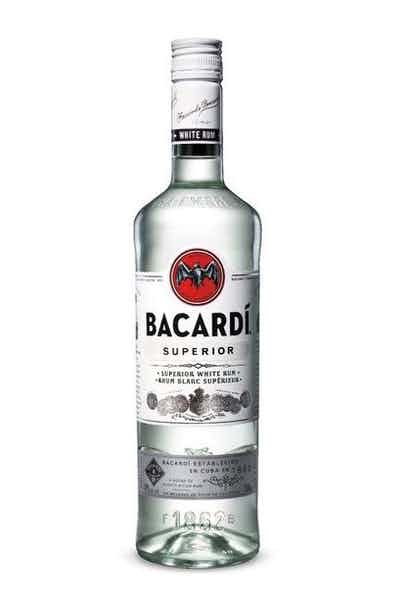
Bacardi Superior
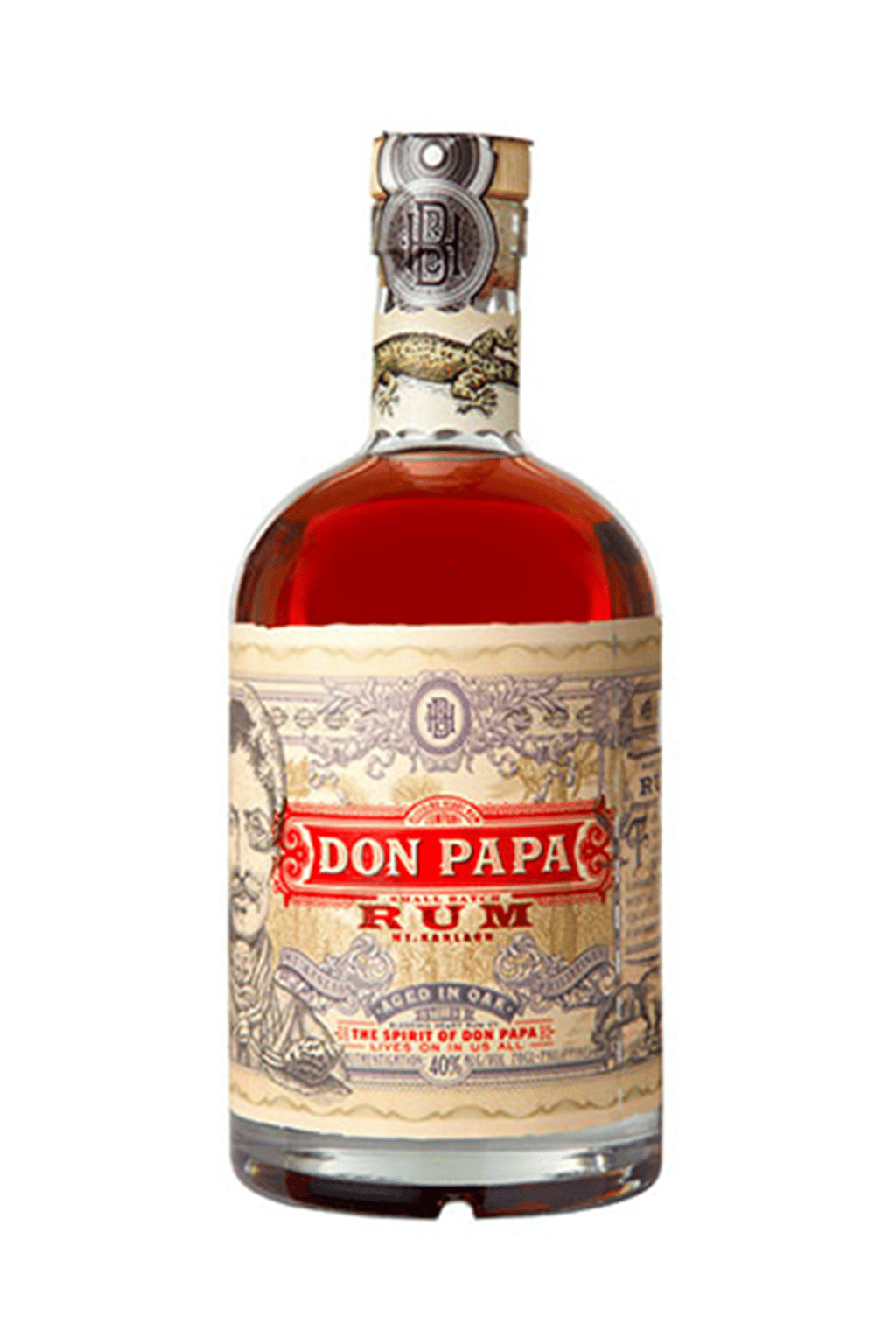
Don Papa
Captain Morgan Gold
Whiskey
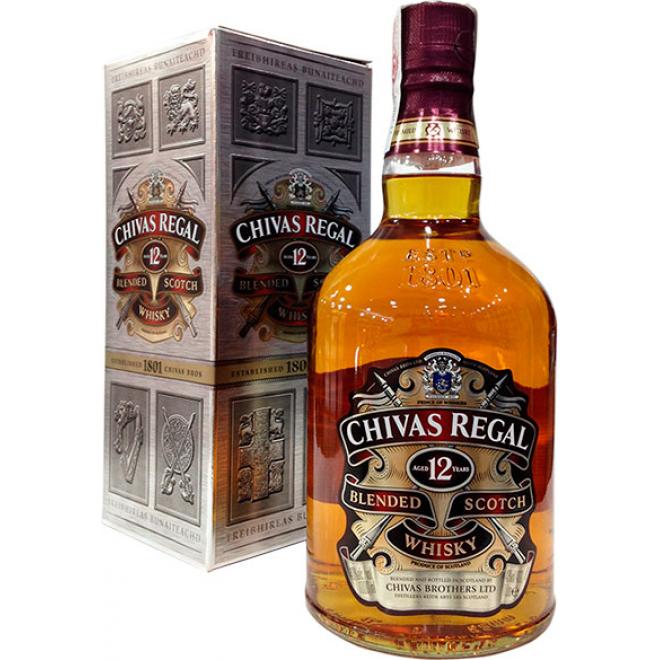
Chivas Regal
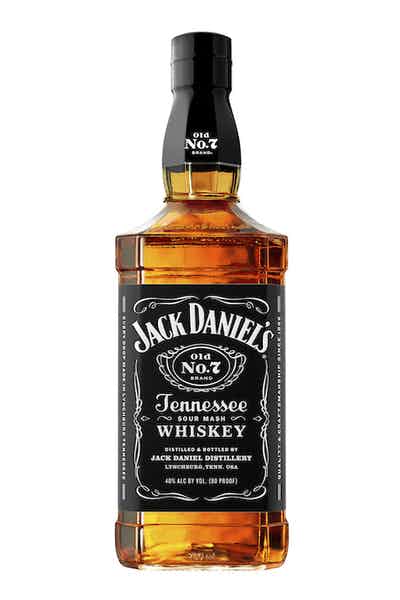
Jack Daniels
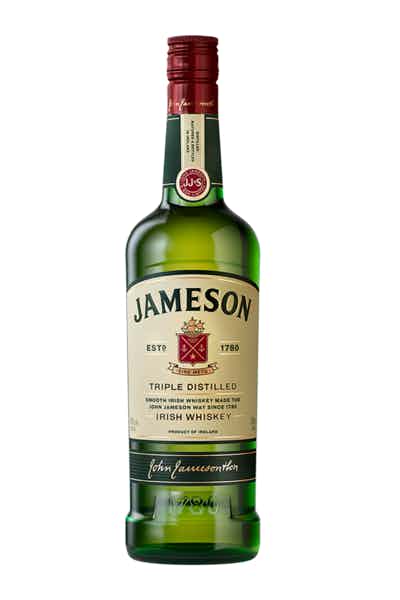
Jameson
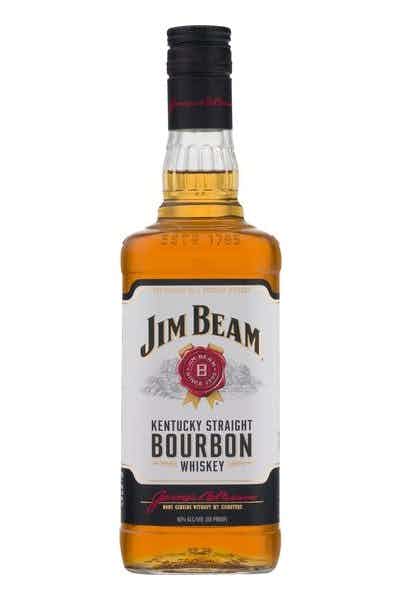
Jim Beam
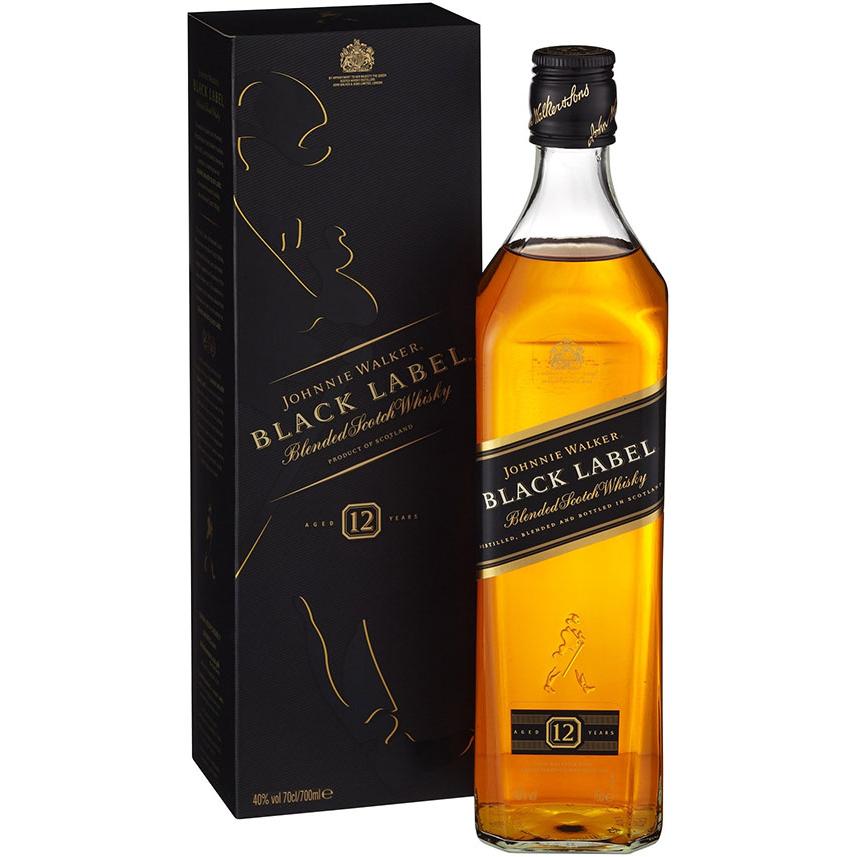
Johnnie Walker Black
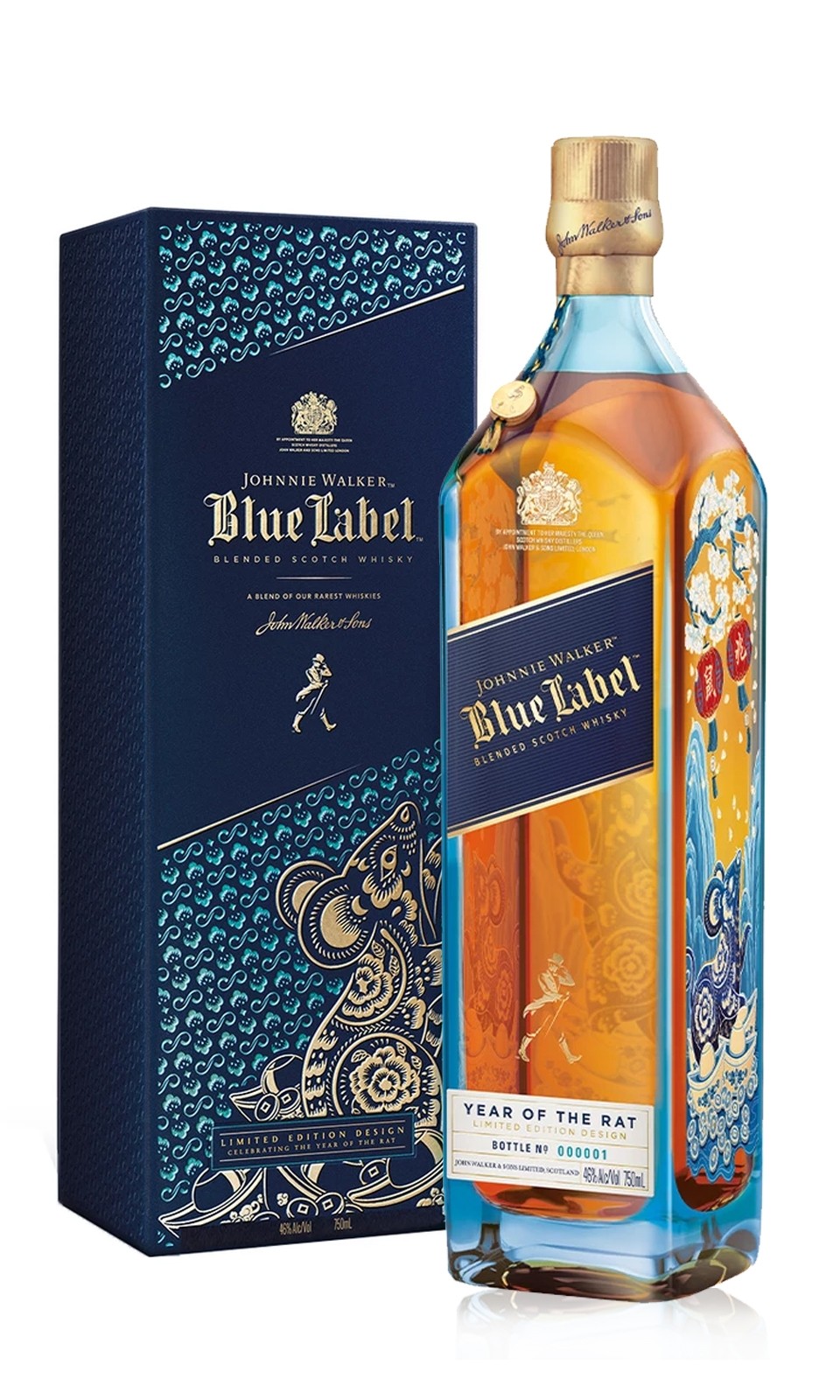
Johnnie Walker Blue
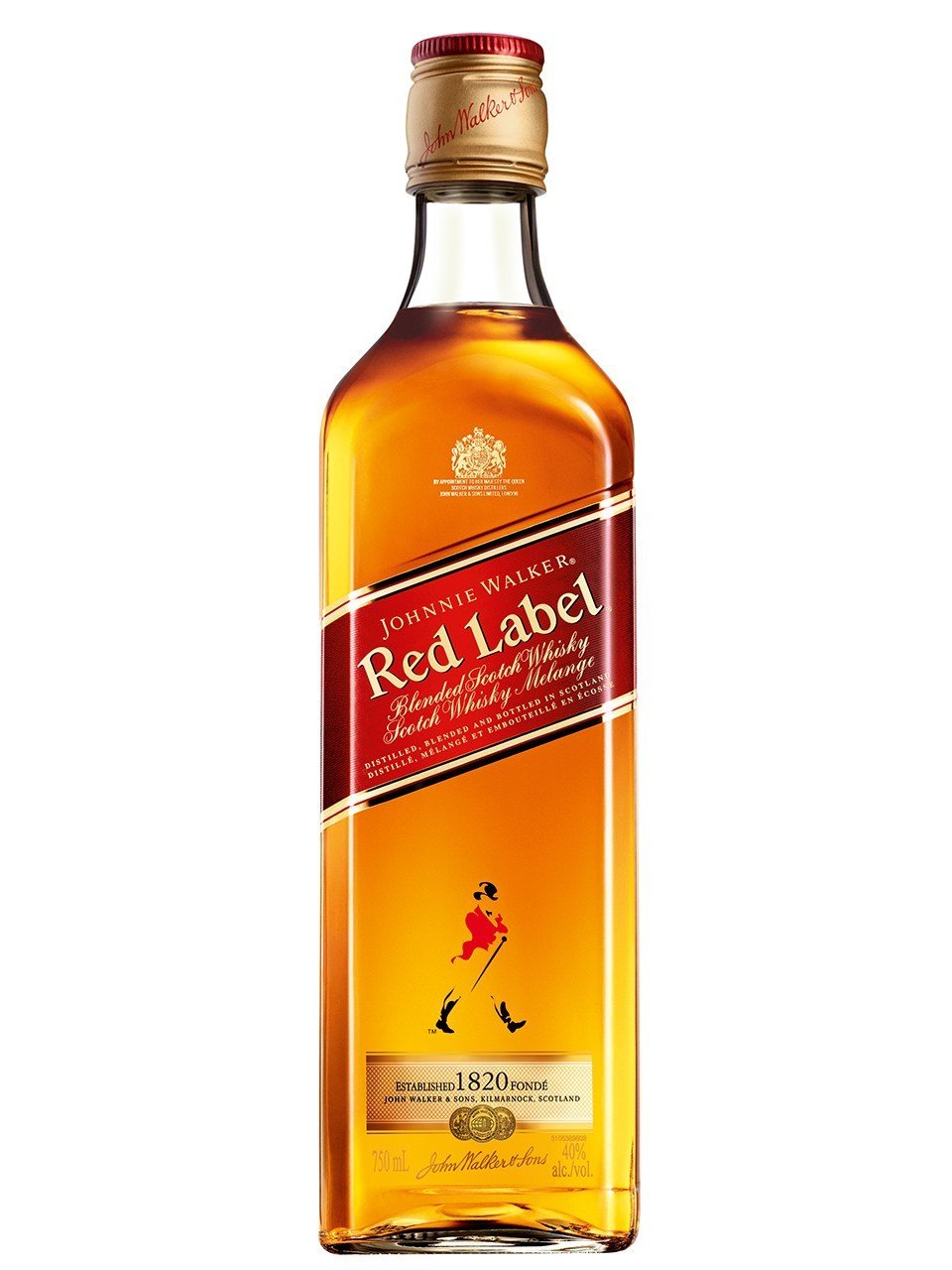
Johnnie Walker Red
Tequila
1800 Anejo
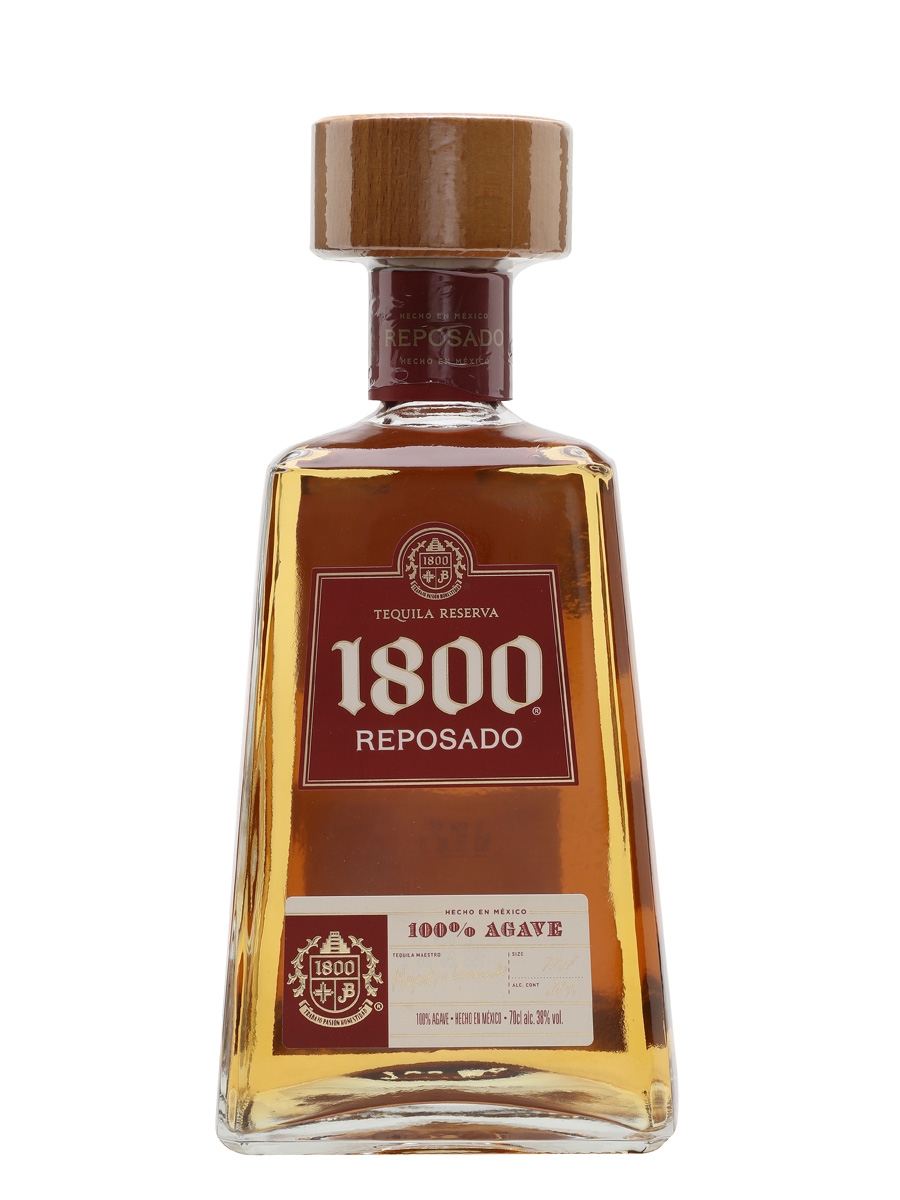
1800 Reposado

1800 Silver
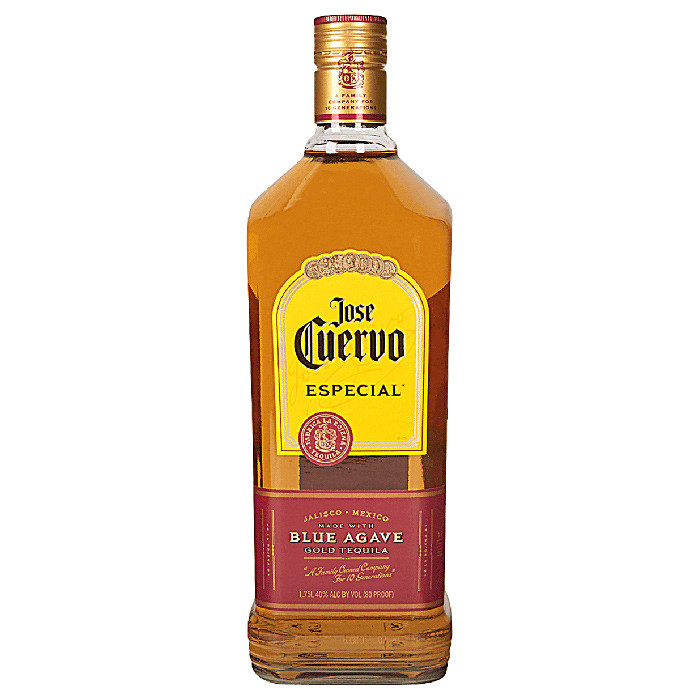
Jose Cuervo Gold
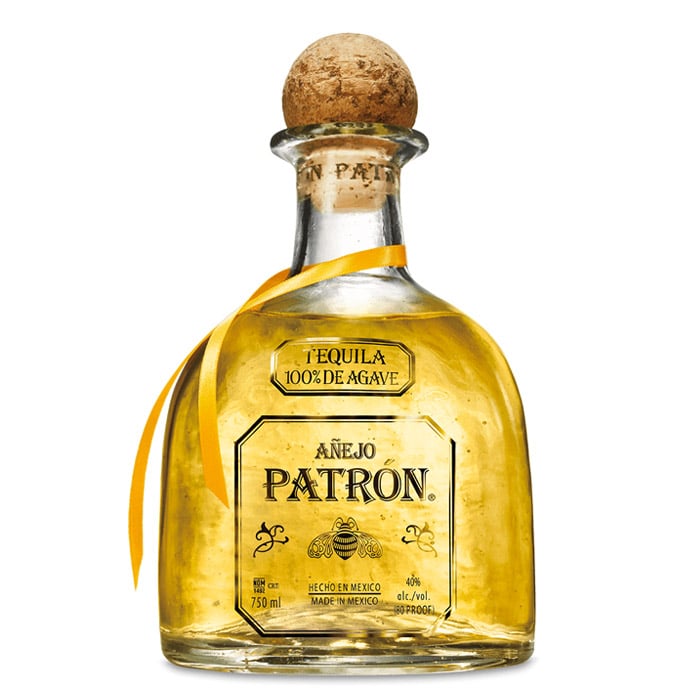
Patron Anejo

Patron Reposado
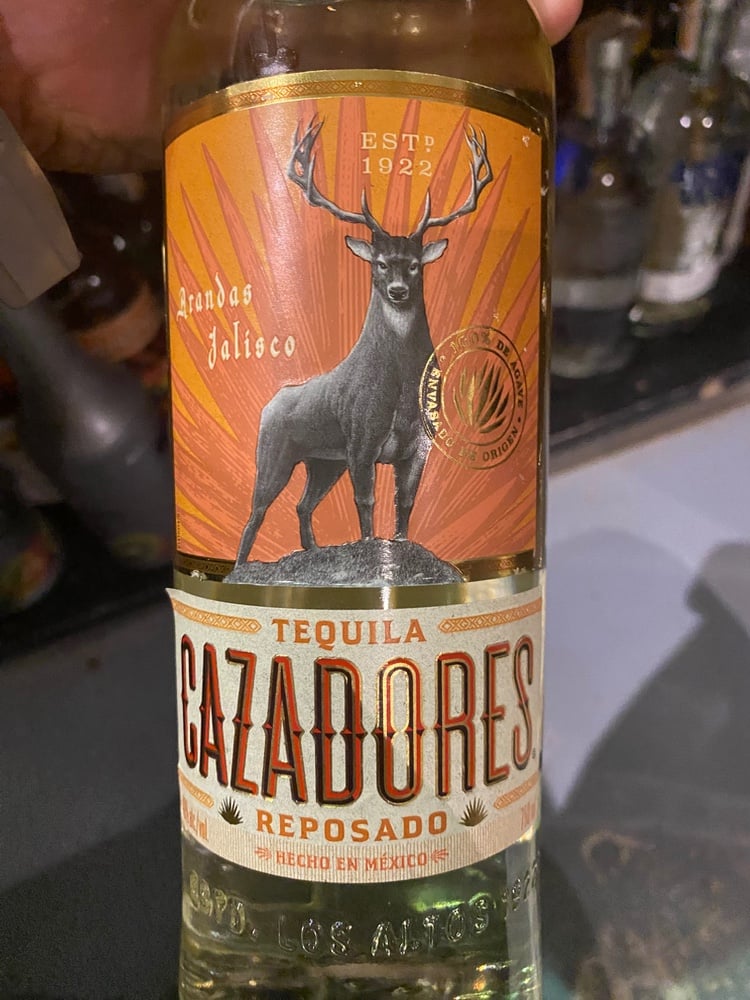
Cazadores Reposado
Cognac
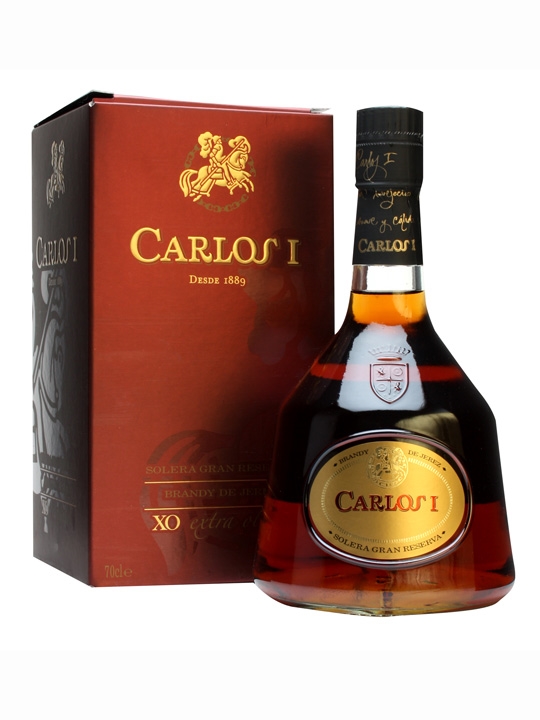
Carlos 1
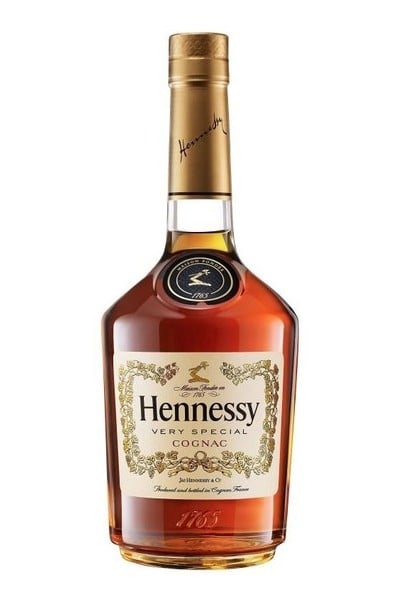
Hennessy VS
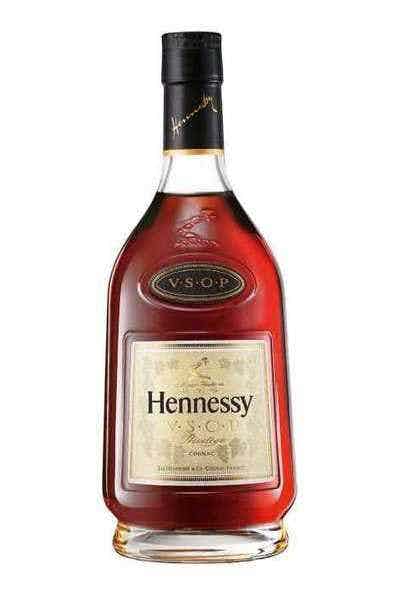
Hennessy VSOP
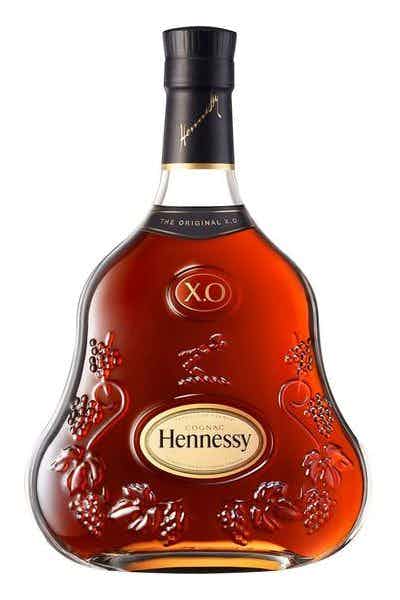
Hennessy XO
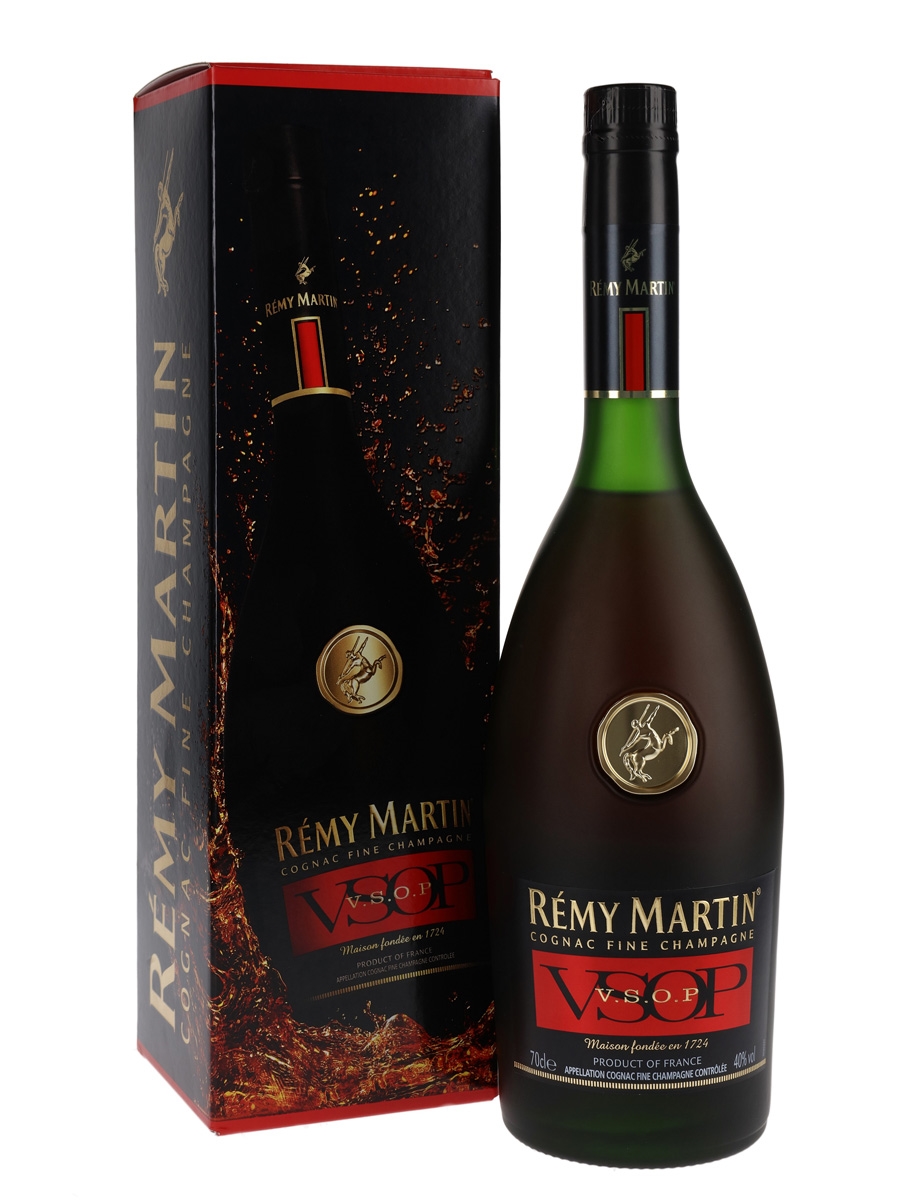
Remy Martin VSOP
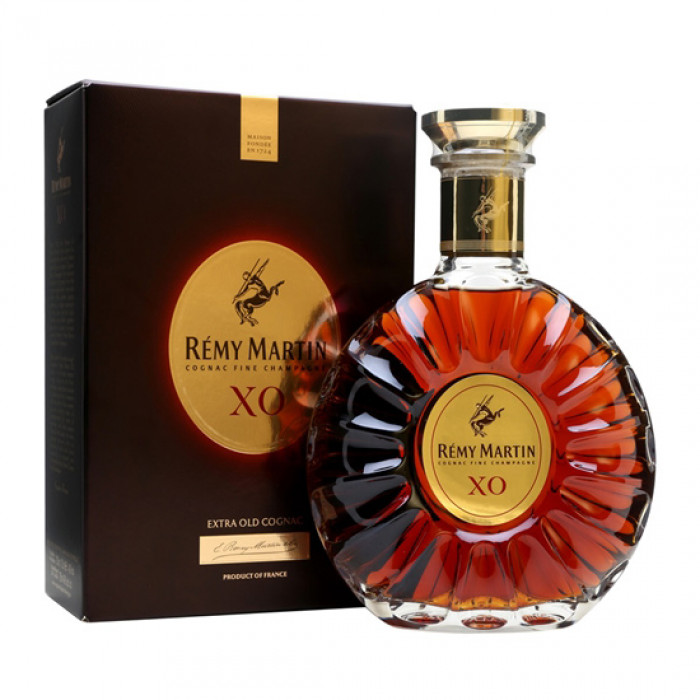
Remy Martin XO